News
Tinubu Govt Gives Fresh Details, Reveals Who Will Supervise State Police

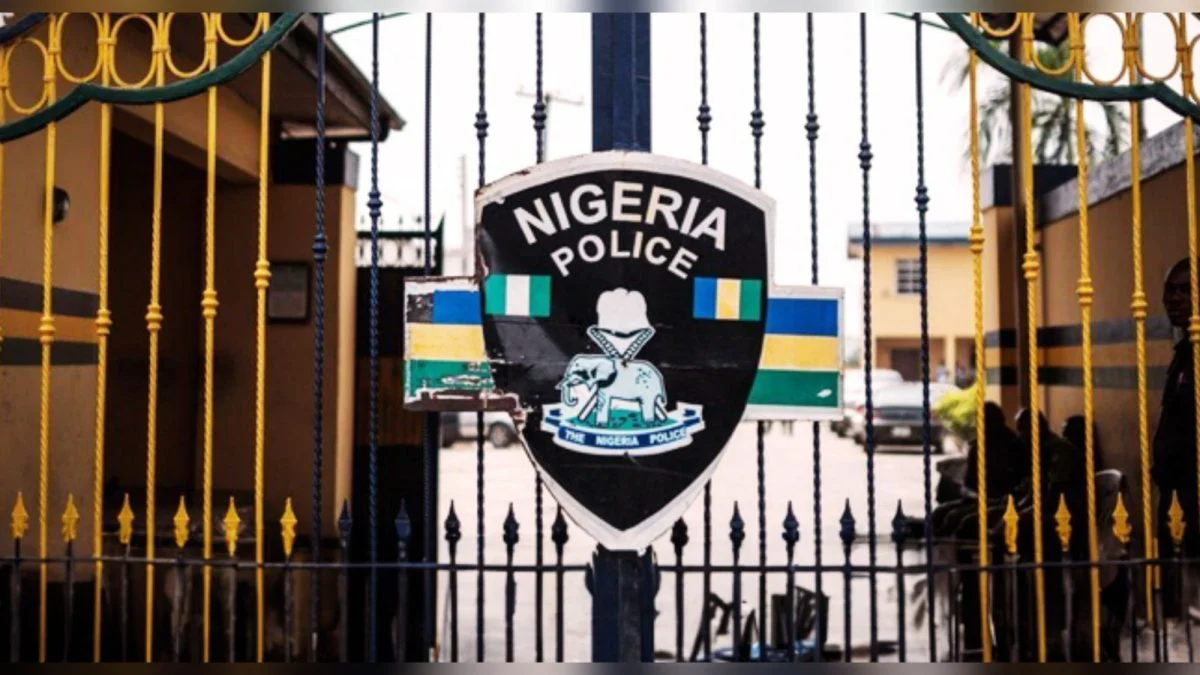
The Federal Government has given fresh details on how the proposed state police system will operate, stressing that state governors will not have absolute control over the new police services.
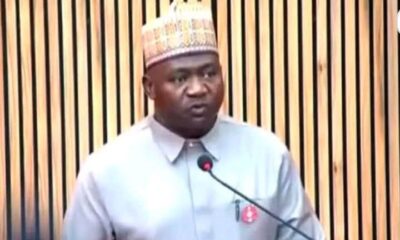
Femi Gbajabiamila, Chief of Staff to President Bola Tinubu and Chairman of the Presidential Working Group on the National Policing Bill, said the proposed system must establish clear safeguards to prevent governors from using state police for political purposes.
Gbajabiamila said the central question in the proposed reform was not only who would police communities, but also “who polices the police?”
He spoke on Monday at the second plenary session of the Nigerian Bar Association’s 66th Annual General Conference in Port Harcourt, Rivers State, during a session themed “Policing in transition.”
According to him, governors should be allowed to identify broad security priorities in their states and seek legislative approval for resources, but they should not have unrestricted operational powers over police officers.
He warned that governors must not be able to order the arrest of political opponents, halt investigations, disperse lawful gatherings or manipulate police operations during elections.
“The law must draw that line through institutions, not through promises,” Gbajabiamila said.
How State Police Will Be Supervised
The presidential working group chairman explained that the proposed policing arrangement would create a dual system made up of the Federal Police Service and State Police Services.
He said the reform was designed to address the limitations of Nigeria’s highly centralised policing system, particularly in dealing with security challenges in communities and rural areas.
However, he stressed that decentralising policing would not mean handing governors unrestricted control over police formations in their states.
Gbajabiamila called for institutional safeguards to protect police officers who refuse to carry out unlawful instructions.
He also advocated independent mechanisms for investigating serious misconduct involving senior police officers, saying appointments and removals should not be used as rewards for political loyalty.
The proposed system, he added, must ensure that officers removed from one police service for brutality, extortion or other criminal conduct cannot simply move to another jurisdiction and continue working as police officers.
He said the reform would therefore involve more than creating 36 additional police departments.
Rather, it would require a fundamental restructuring of how police powers are organised, exercised and subjected to oversight across the country.
The proposed National Policing Bill is expected to provide a common framework for professional standards, inspection, complaints, information sharing, firearms control, funding and the transition to the new system.
Gbajabiamila said the bill was being prepared alongside the constitutional amendment process so that the Federal Government would be ready to begin implementation if the amendment receives the required approvals.
He, however, made it clear that the National Policing Bill alone could not establish state police because the Constitution must first be amended.
“Until those steps are completed, state police remains a proposal,” he said.
According to him, the National Assembly has already approved proposed constitutional amendments to permit the establishment of Federal and State Police Services.
The amendment will still have to go through the remaining constitutional procedures before it can become law.
“The National Assembly must complete any remaining harmonisation and transmit a common text to the State Houses of Assembly. At least 24 of the 36 State Houses must approve the amendment before it can proceed for presidential assent,” Gbajabiamila said.
Governors Face Limits Under Proposed System
The proposed arrangement would also place restrictions on the appointment of state police commissioners.
Although commissioners would head the state police services, governors would not have unrestricted powers to appoint them.
Senate Leader Opeyemi Bamidele said the proposed appointment process would involve recommendations from the National Police Council and approval by two-thirds of the relevant State House of Assembly.
Separate State Police Service Commissions would also be established to oversee recruitment, training and discipline.
The proposal further provides safeguards against the use of state police to target citizens because of their political views or criticism of government officials.
Recruitment into the state police would also be required to reflect the diversity of each state.
The proposed system would retain a role for the Federal Government, including the possibility of federal intervention where necessary.
Bamidele said 84 of the 109 senators voted in favour of the constitutional amendment when the Senate considered the bill on June 24.
He said the proposal followed years of consultations, public hearings and engagements with stakeholders.
“The state police bill was subjected to intense debates at the Senate and House of Representatives,” Bamidele said.
“Even though the All Progressives Congress is the majority party, opposition legislators actively took part in the process that approved the state police initiative.”
The proposed amendment now requires approval from at least 24 of Nigeria’s 36 State Houses of Assembly before it can proceed to the President for assent.
The Federal Government has maintained that the reform is aimed at making policing more responsive to local security needs while ensuring that the exercise of police powers remains subject to law and institutional oversight.
Gbajabiamila said the success of the proposed system would ultimately depend on creating structures capable of answering the question of who supervises and holds police officers accountable.
He warned that without such safeguards, decentralising the police could create new problems instead of solving the security challenges that led to calls for state police in the first place.



“The bullet struck exactly where she was sleeping” – Nigerian doctor recalls sister’s miraculous escape from death

How Obasanjo Considered Abandoning Second-Term Bid After South African President Got Wind Of Coup Plot – Donald Duke

“I hope she won’t end up paying” – Phyna reacts to Sheggz’s legal action, asks fans to pray for Bella

Financial Mismanagement Rocks Federal College of Education, Yola, as SecretsReporters Uncovers ₦38.07m Worth of Financial Irregularities – Secrets Reporters Nigeria

“Tinubu Names Yari DG, Uzodimma Secretary Of 2027 APC Presidential Campaign Council” — Akpabio, Gbajabiamila, Oshiomhole Get Key Roles

“Stop Making False, Defamatory Statements About Me And My Family” — Sheggz Reportedly Serves Bella Okagbue Cease-And-Desist Notice Amid Messy Breakup

“Is This What Lagos Housing Crisis Has Become?” — Viral Video Of People Living Under Flyover Sparks Outrage, Disbelief

“A governor once gave Wizkid a bag full of dollars” – Kizz Daniel’s bouncer reveals what singer allegedly did next

‘It Is A Disgrace Tinubu Doesn’t Trust Anyone’ – Melaye Slams President’s Self-Appointment As Campaign Chairman

“My brother Davido, I love you” — Gov. Okpebholo’s aide who banned Davido from entering Edo apologises

Nasarawa CP urges political parties to shun night gatherings, highway blockades

NDC Graduates Must Convert Knowledge Into Effective Leadership – Musa

N168.2bn Paid to Over 48,000 Retirees Since 2007 – Lagos Govt
Nasarawa CP urges political parties to shun night gatherings, highway blockades
Alia strengthens Benue security with three military units

Transfer: Sanusi set for Saudi switch to Al-Qadsiah

Zamfara CP Urges Peace, Security As Muslims Celebrate Eid-ul-Maulud

Police arrest four as suspected cultists kill Edo Security Corps operative
Transfer: Sanusi set for Saudi switch to Al-Qadsiah
Iranian media shows video targeting Barron Trump with $10 million bounty

 Entertainment17 hours ago
“A governor once gave Wizkid a bag full of dollars” – Kizz Daniel’s bouncer reveals what singer allegedly did next
- Politics18 hours ago
‘It Is A Disgrace Tinubu Doesn’t Trust Anyone’ – Melaye Slams President’s Self-Appointment As Campaign Chairman
- News23 hours ago
Morning recap: KWAM1 breaks down in tears over Ogogo’s death, govs face questions as FAAC payouts hit N47tn, other top stories
- News9 hours ago
Economic Impact of Extracted Precious Metals from Electronic Waste in South Western, Nigeria; Review of Extraction Methods
- Viral21 hours ago
Hon Ereyitomi Congratulates Chief Ayiri Emami, Stella Okotete on APC Presidential Campaign Council Appointments
- Entertainment18 hours ago
“I spent months praying for God to take my husband’s money away” — Woman opens up on painful marriage
- Metro11 hours ago
“Okpebholo Signs Edo Judiciary, Assembly Financial Autonomy Bills Despite JUSUN Protest” — Capital Funds Return To Executive Control
- Metro11 hours ago
Presidential Campaign Council: Yishawu Urges APC Members to Rally Behind President Tinubu Ahead of 2027 Elections