News
Telcos owe 25-year growth to workers’ sacrifice — ATCON

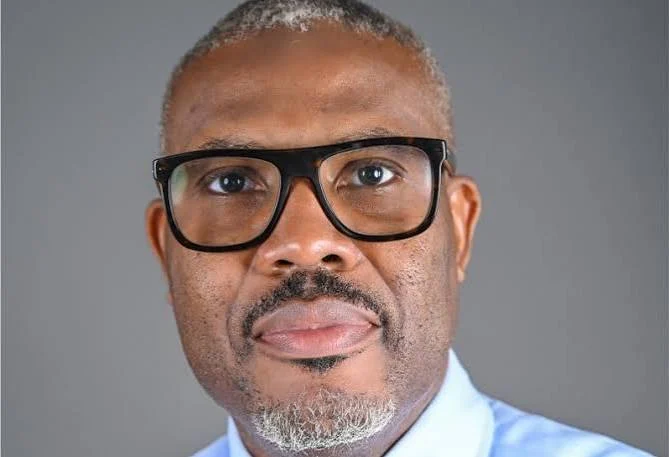
Nigeria’s telecommunications industry has been built over the past 25 years on the work of technicians, engineers and field professionals who have operated across difficult terrain and under demanding conditions, the Association of Telecommunications Companies of Nigeria has said.
The President of ATCON, Tony Emoekpere, said that the contribution of the workforce behind the country’s mobile networks was often measured by infrastructure milestones such as fibre routes, base stations and network coverage, rather than by the people who built and maintained them.
Emoekpere made the remarks in a note titled, 25 Years of Telecoms: Remembering the Heroes Behind Nigeria’s Connectivity, issued as the country marks 25 years of the GSM-led transformation of its telecommunications industry.
Nigeria liberalised its telecoms sector and auctioned GSM licences in 2001, opening the market to private operators and setting off a rapid expansion in mobile connectivity. The transformation has since turned a largely fixed-line system into a nationwide digital infrastructure supporting mobile communications, broadband, data services and an expanding digital economy.
According to the Nigerian Communications Commission, the sector has attracted about $75bn in investment since liberalisation in 2001.
Emoekpere said that the infrastructure underpinning that expansion could not have been built without thousands of workers who install, upgrade and maintain telecommunications networks, often travelling long distances and working in challenging environments.
“Behind every base station, fibre route, transmission link and network upgrade are men and women who have worked in some of the most challenging conditions imaginable,” he said.
The ATCON president said that field personnel continue to face significant security and operational risks as they respond to network faults, maintain infrastructure and extend connectivity across the country.
He emphasised the importance of the workforce as Nigeria enters the next phase of telecoms development, noting that their contributions are integral to the country’s wider digital transformation.
The comments come as Nigeria’s telecom industry moves from its original GSM rollout into an era increasingly defined by smartphones, broadband, fibre networks, cloud services and 5G connectivity.
The first GSM call on MTN Nigeria’s network was made in May 2001, marking an early milestone in a transformation that would fundamentally change how Nigerians communicate, conduct business and access financial and digital services.
Emoekpere said that the impact of the workers behind the infrastructure was ultimately reflected in the millions of people, businesses and communities connected to the networks.
“To those still on the frontline; we see you, we appreciate you, and we thank you,” he said.
He also urged continued recognition of the technicians, engineers and other field professionals whose work remains critical to keeping Nigeria connected as demand for reliable digital infrastructure grows.







Osun election: Men dressed as police officers allegedly disrupt material distribution with teargas [Video]

Bayelsa PDP Reaffirms Readiness For 2027 Elections As Turnah Confirms Candidate’s Upload On INEC’s Portal

Accord Party Stuns In Oyinlola’s Polling Unit, Defeats APC Despite Ex-Governor’s Support For Oyebamiji

#OsunDecides2026: I want to vote, 55-year-old resident cries out after BVAS facial recognition failure

Matured Criminals: FAAN Depreciates N60 Billion, Wastes N446 Million As Gifts, N12 Billion As Operating Surplus As Audit Scream Blue Murder – Secrets Reporters Nigeria

Osun Decides: Governor Adeleke’s Running Mate Predicts Victory, Raises Alarm Over Late Arrival Of INEC Officials

Morning recap: Osun gov poll holds amid vote-buying allegations, Atiku sues Tinubu, other top stories

Bayelsa PDP Ready for 2027 Elections as Turnah Confirms Candidates’ Upload on INEC Portal, Welcomes MacIver’s Governorship Bid

“Guess how much?”- Lady borrows ex-boyfriend millions of Naira for political ambition, ends up in tears

“If I was a woman and I got my period…” — Man sparks reactions with unusual idea to end menstruation in one go

Osun Election Result: Lessons APC Must Learn Before 2027 – Dayo Israel

“My love language is money” — Ayra Starr says she likes all love languages

BBNaija Season 11: Head of House Neche Voluntarily Leaves Show

Trump provides update on US missionary held captive in Niger

“The most powerful person in a house is the housemaid” — Man questions billionaire’s maid’s ₦180K salary

Telcos owe 25-year growth to workers’ sacrifice — ATCON

Adeleke Make Promises To Osun People After Re-Election

GTCO interest income surges 506% as dollar limit doubles

Faleke Replies Davido: “I’ve Never Rigged an Election, Face Your Music”

Osun: Police investigate death of woman found in church premises

 News19 hours ago
Morning recap: INEC declares Adeleke winner of Osun poll, Islamic leaders caution against anti-Christian rhetoric, other top stories
- Headlines13 hours ago
Women leaders seek more govt support for farming, action on child trafficking, early marriage in Niger
- Entertainment20 hours ago
“Now you can see my tears” – US soldier breaks down over sick daughter in Nigeria, cries out to Trump
- Entertainment15 hours ago
“My flight was cancelled…” – Woman recounts painful betrayal after finding husband in bed with childhood friend
- Metro14 hours ago
“Adeleke’s Victory Shows Our Votes Can End Economic Hardship” — Peter Obi Urges Nigerians To Defend Ballots In 2027
- News8 hours ago
Federal Energy Research Centre at UNN Ran Up Nearly ₦686 Million in Unauthorised Spending, Doubtful Payments and Audit Bypasses – Secrets Reporters Nigeria
- Entertainment22 hours ago
“You’ll not go and marry” — Jarvis slams X user, Ruth over alleged body-shaming
- Entertainment18 hours ago
Why I stopped trying to quit smoking – Omah Lay