News
I lost my sight, but not my dreams — Theatre Arts graduate

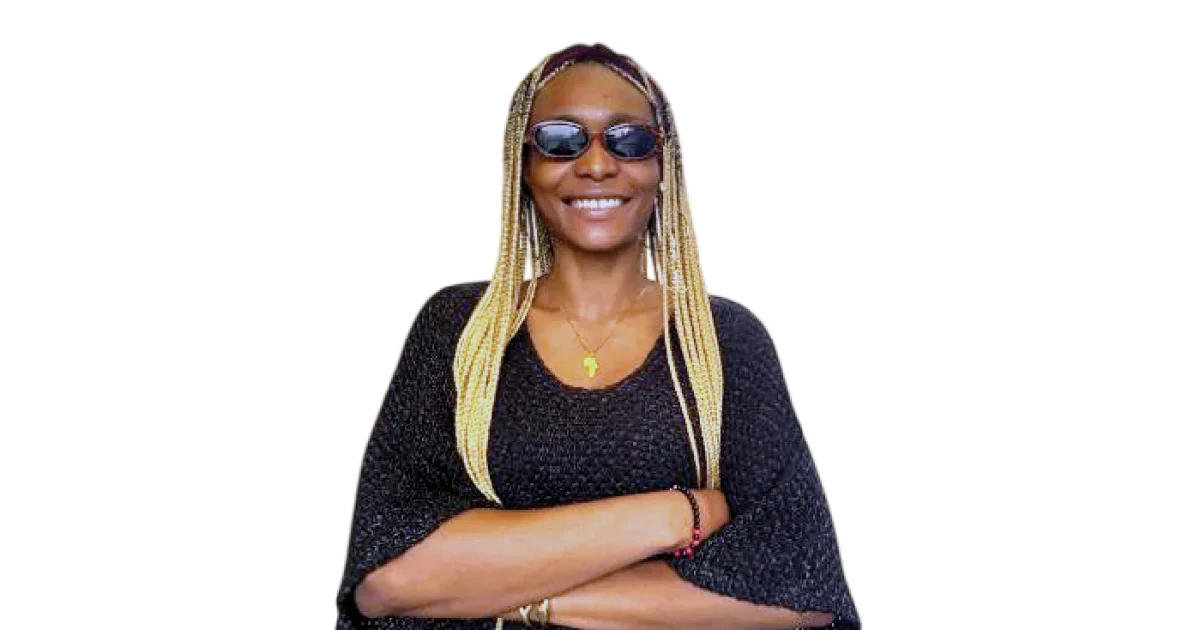
Comfort Ekwo, who was only eight when her sight began to fade, speaks with TEMITOPE ADETUNJI about her family’s adjustment to a reality they never expected after she completely lost her sight
Kindly introduce yourself
My name is Comfort Ekwo. I am visually impaired, but I mostly identify as a person with low vision because I can still see light and a few things. I attended the University of Jos and also went to a school for the blind in Abuja.
Were you born visually impaired, or did it develop later?
I wasn’t born blind. I became visually impaired 19 years ago. I was eight when I began noticing that I could no longer see as I used to.
It started gradually but progressed quickly. I was already in primary school when it began. After a long holiday, I returned to school and realised I could no longer see the board from the back of the class. I moved to the front, eventually taking the first seat.
At one point, when the teacher wrote on the board, I would go closer, look at one letter, return to my seat and write it down, then go back for the next. Eventually, I could not see the board at all. I began relying on classmates to read what was written on the board to me, and later, I could no longer read my books.
The loss happened very quickly. I was eight when it started, and before I turned 10, I could no longer attend a regular school.
How did you feel about losing your sight as a child?
At the time, I was more concerned about my parents and how they were coping. I didn’t understand what was happening or how it would affect my future.
The way my parents cried and struggled to find a solution was one of the most emotional experiences of my life. I remember the day I was taken to a school for the blind.
My father was very strong and rigid, and we were scared of him when we were growing up. That was the first time I saw him cry. He was deeply worried, and seeing him cry affected me.
My primary and secondary school years were also difficult because my parents kept taking me from one church to another and from one hospital to another, hoping to find a solution. Whenever there was a crusade, they would sometimes pull me out of school because it was a boarding school.
Eventually, hospitals told my father that my condition had no cure at the time and that I would probably lose my sight completely. They advised my parents to stop looking for a cure and instead allow me to learn how to adapt.
As I became more mature, I had to tell them that it was okay and that they needed to allow me to move forward. My father is now much more relaxed because he sees me doing things he never imagined I could do.
Are you the first child in your family?
I’m the third child. I’m also not the only person with this condition in my family. My immediate younger sister also has it.
Is it hereditary?
Yes. It is more of a genetic condition.
How did you initially cope with the change?
Going to a school for the blind helped me enormously. I was introduced to the community of the blind early enough and met people who could not see at all living independently.
I arrived at the school late, close to when examinations were starting, but other visually impaired students taught me how to read and write Braille. They encouraged me and showed me that blindness did not mean I could not live a normal life.
However, the experience affected my self-esteem, especially outside school. In school, I felt normal because everyone around me understood my experience. Outside, I became more conscious of my differences because my friends could no longer relate to me in the same way.
Before losing my sight, I was very active. I participated in church activities, read the Bible, and loved dancing. I used to copy dance moves from television and teach others. When my sight deteriorated, I could no longer do those things.
I remember holding a Bible and pretending to read it even though I could not see. Sometimes, I would even turn it upside down without realising it.
When I returned to school for blind children, I felt normal again because I was surrounded by people who understood me.
What do people assume you cannot do that you can actually do?
People often assume that blind people cannot do anything. But living with this condition has taught me how to adapt and find alternative ways of doing things.
I started a rehabilitation centre where I teach other people with visual impairments how to become independent. I can dress myself and make my hair look good, yet people still ask, ‘Who helped you?’
I studied Theatre and Film Arts because I have always loved acting. I was involved in drama groups from a young age. After university, I attended several auditions but eventually stopped because of the reactions I received.
People would praise my performances but then ask, ‘How are you going to do this?’ Their focus shifted from what I had demonstrated to what they imagined I could not do.
I have also worked remotely for a magazine, doing something similar to television hosting, and I did it successfully. But whenever something is perceived as physical, people immediately question my ability.
One of my TikTok posts went viral, and people in the comments said I was lying about being blind because of how I appeared and what I was doing. That shows how negative society’s perception of visual impairment can be.
Have you experienced discrimination because of your visual impairment?
It is an everyday experience. No matter how well dressed I am, once some people realise I cannot see, their attitude sometimes changes. They may begin speaking to me like a child or treating me as though I am incapable.
I experienced a lot of discrimination in the university, particularly from some classmates. Sometimes, they would sit around talking about me, apparently assuming that because I could not see them, I could not hear them.
I was also active in student politics. I served as a senator in the Students’ Union Government twice and represented the disability constituency. Even when I contributed to discussions, some people ignored me because they assumed that, as a disability representative, I could only speak about disability issues.
What do you wish society understood about visual impairment?
The first thing is that not all blind people look the same. Blindness is a spectrum. Some people cannot see anything, while others retain some level of vision.
When I tell people I am blind, they often don’t believe me because they have a particular image of what blindness looks like. This can make getting assistance difficult.
I remember going to a bank and asking a security officer to help me fill out a form. I had my cane with me, but he looked at me and assumed that because I was well dressed, I could not be blind.
I explained that I was a graduate and could fill the form myself if it were accessible, but I could not see it. He still refused to help and suggested that I was simply too proud to admit that I could not read.
I eventually told him directly, ‘I’m blind. I cannot see,’ but he still did not help. I cried that day until the manager eventually assisted me.
My condition is retinitis pigmentosa. Even when someone with the condition loses their sight completely, their eyes may still look normal because the condition affects the retina, not the appearance of the eyeball.
What support has made the biggest difference in your life?
The biggest support has been my family and the blind community. My family allowed me to meet people who helped me understand that I could live independently.
I have also met families with blind children and encouraged them to send their children to school. Some children are locked in rooms, denied education, and prevented from participating in normal activities. In some cases, even their siblings mistreat them. We try to speak with such families, although some refuse to listen.
If you don’t accept your child with a disability, the world might be forced to accept that child. But if you don’t accept your child, the way you see that child is how other people may also see them.
Education has also been important. Although my education was not always inclusive, it helped me understand my rights, know myself, and learn how to live independently.
Was there a time you doubted yourself?
Yes, particularly after university. I studied Theatre Arts and was excited about acting. But after attending auditions and experiencing negative reactions, I began questioning myself.
Even before graduation, my parents and other people had discouraged me from studying Theatre Arts. They would say nobody would accept me, give me a movie role, or believe I could do it.
After graduation, those voices became louder. I began wondering whether they were right and whether I could actually build a career in theatre.
Eventually, I moved from theatre and film into disability advocacy. I still believe I can act, but I also understand the reality of how society often views people with disabilities.
How do you sustain yourself financially?
I do small jobs. People with visual impairments sometimes contact me to teach them Braille, independent navigation, cooking, laundry, and other skills. They pay me for these services. I don’t currently have a regular job, so that is how I support myself.
You are currently in Abuja. Do you live alone?
I live with my immediate younger brother.
What achievement are you most proud of?
I am most proud of helping people with visual impairment gain confidence. Through my organisation, we have supported young people with disabilities to become more confident and independent.
I have also travelled outside Abuja, including to Jalingo, Benue, and Nasarawa, to support people when I receive assistance.
Another important achievement was travelling to Germany last year for a summit, where I spoke about my work. It was my first trip outside Nigeria, and having someone believe in my work enough to sponsor the trip meant a lot to me.
Do people with disabilities face more challenges in love and relationships?
Yes, particularly women with disabilities. Relationships can be difficult for everyone, but disability can make them more complicated.
Women with disabilities often have to wait for men to approach them. Even when someone is genuinely interested, his family may discourage the relationship because of concerns about having children with disabilities.
Have you ever been in a relationship?
Yes, I’ve been in at least three relationships.
Are you currently in a relationship?
No, I’m not.
After everything you have experienced, what do you want people to remember about your story?
I want people to remember that I am resilient. Even as a child, when my vision began deteriorating, I developed confidence in myself despite the circumstances. I was afraid to tell my parents because they were already dealing with my elder sister’s health challenges. I saw what my family was going through and did not want to add to their burden.
If there are filmmakers who have roles they believe I can play, I’m open to being featured in movies. I would love the opportunity to show that visual impairment does not limit my ability to tell a story or bring a character to life.



Osun election: Men dressed as police officers allegedly disrupt material distribution with teargas [Video]

‘Dapper, your cup don finally full’ – Singer T.I Blaze questions music executive over N1.2bn royalties

Kidnapped Christian Worshipers in Southern Nigeria Describe Weeklong Torture by Fulani Terrorist Gang

Akwa Ibom Governor Commits To Operation Of Maintenance Facility At Victor Attah Airport, Expansion Of Ibom Air

Adekunle Adebiyi: Abuja Move ‘One of Our Best Decisions’ As Squash In Diaspora Tournament Hits Semifinals

EXCLUSIVE: SecretsReporters Uncover Unaccounted ₦75m Cash Advance in Hannatu Musa Musawa’s Ministry – Secrets Reporters Nigeria

“I don’t want their money”- Peller shares why he intends to collaborate with Dangote, Femi Otedola and Bill Gates

“Peter Obi was already ahead of us in Class Three” – Former classmate opens up on his early school hustle

“You broke up with girl because she farted” – Matchmaker blasts 47-year-old man over failed relationship

“If you would have been patient”- Moment Peller screams during visit to man’s residence after pleading for G-Wagon

Nursing mothers on dumpsites: A timely rescue

INEC Begins Collation Of Osun Governorship Election Results

Shootings in Michigan Leave 5 People Plus Suspect Dead Following Large-Scale Search

“Your Audio Money Caused This” – Jowizaza’s Sister Slams Him Over Father’s Abduction
Iran claims Qatar is holding pilots, Israeli strikes kill 11 in Lebanon, and other Middle East news

U.K.'s leader calls for reflection after death of former Cambridge professor accused of plagiarism

I lost my sight, but not my dreams — Theatre Arts graduate
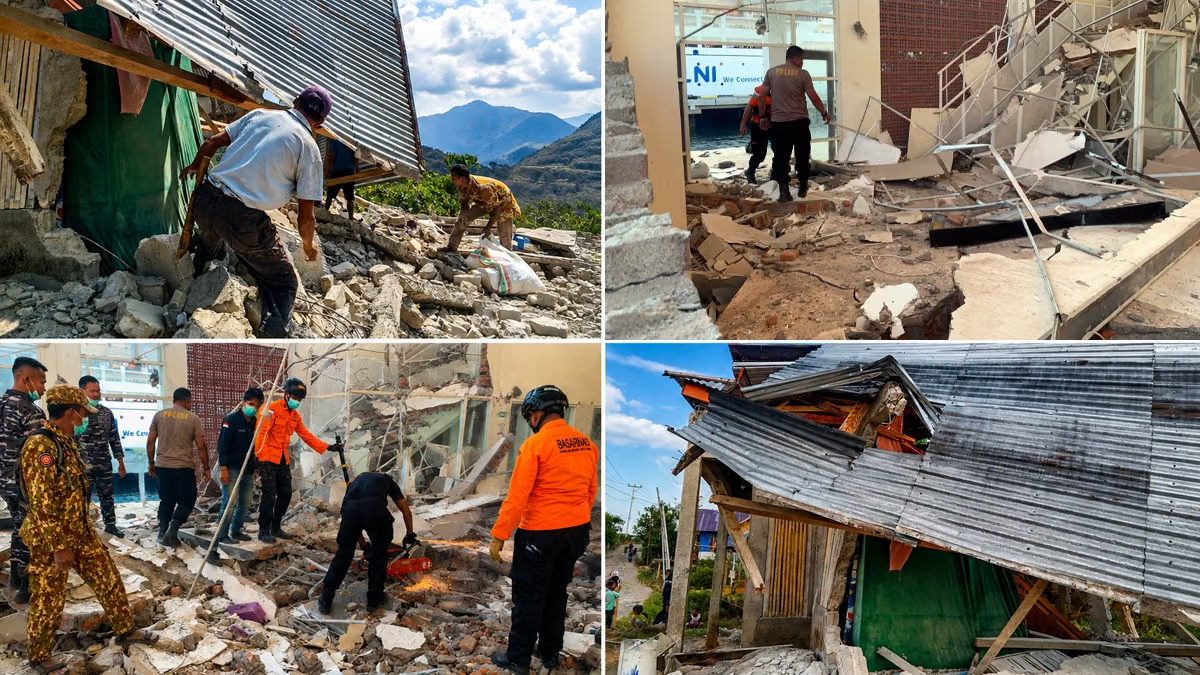
Magnitude 7.7 Earthquake Strikes Off Indonesia's Coast, Toppling Buildings and Killing 20

Event frustration led me to create ticketing platform — Emmanuel Okpanachi
'US-India Relationship Stronger Than Ever': Marco Rubio Extends 80th Independence Day Greetings

 Headlines18 hours ago
Osun election: Men dressed as police officers allegedly disrupt material distribution with teargas [Video]
- Politics16 hours ago
Osun Decides: Governor Adeleke’s Running Mate Predicts Victory, Raises Alarm Over Late Arrival Of INEC Officials
- Politics16 hours ago
Osun 2026: Early Voter Turnout In Adeleke’s Hometown Ede As Residents Await AccreditationOsun Election: Voters Await Officials, Materials At Osogbo Polling Unit
- Entertainment21 hours ago
“His side chick saved his life” – Charles Inojie shares how a man escaped plane crash after changing his flight plans
- Metro15 hours ago
“No Fresh Criminal Charge Has Been Instituted Against Our Client” — Deji Adeyanju & Partners Clarify Position In Dr John Abebe’s Trial
- Entertainment15 hours ago
“If I was a woman and I got my period…” — Man sparks reactions with unusual idea to end menstruation in one go
- Politics8 hours ago
Bayelsa PDP Reaffirms Readiness For 2027 Elections As Turnah Confirms Candidate’s Upload On INEC’s Portal
- News10 hours ago
Morning recap: Osun gov poll holds amid vote-buying allegations, Atiku sues Tinubu, other top stories