World
US launches strikes on Iran in retaliation for attack on military base

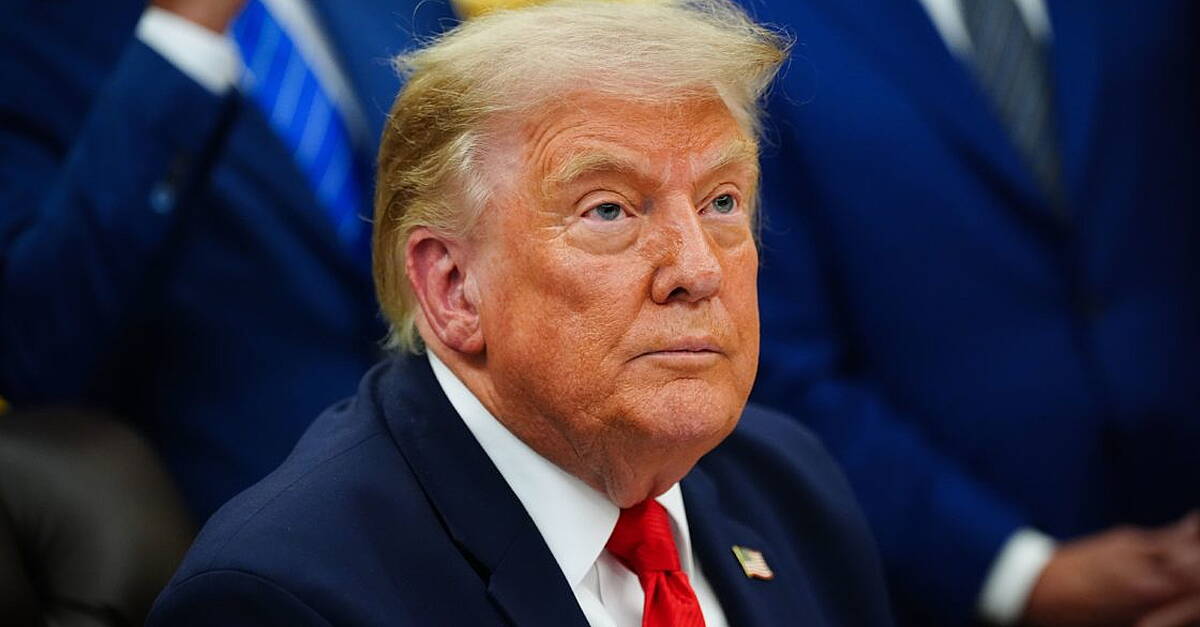
The US military said on Wednesday that it launched strikes on Iranian targets in response to Tehran’s attack on American forces in the Middle East.
The latest barrage came after the US partnered with Saudi Arabia to strike Iran-backed militias in neighbouring Iraq, killing at least 20 fighters and six Iranian advisers.
The new strikes on Iran are “a powerful response to yesterday’s attempted Iranian attack” US Central Command said in a post on social media on Wednesday evening.
https://x.com/CENTCOM/status/2082623345682518024?ref_src=twsrc%5Etfw
US President Donald Trump had vowed to retaliate after Iran targeted a base in Jordan that hosts US troops.
Elsewhere, drone strikes ignited fires on two natural gas vessels at the Egyptian port of Damietta, according to Ambrey, a British maritime security firm. It was not immediately clear who was responsible for the strikes on a US-owned floating storage facility and a Greek-owned tanker. No injuries were reported.
The flare-ups on multiple fronts after several days of relative calm raised the risk of a return to all-out war.
It also underscored the difficulty of winding down a five-month conflict that has jolted the world economy and is unpopular among Americans.
The fighting was also likely to add to concerns that the US is further drawing down already diminished stockpiles of sophisticated munitions needed to defend its bases and allies.
Egypt, a close US ally and regional mediator, is one of the only countries in the Middle East to have been spared direct military action during the war. A strike by Iran or its allies, if confirmed, would mark a significant widening of the conflict.
Asked during an Oval Office event if Iran was responsible for the strikes on the natural gas vessels, Mr Trump responded: “It’s a little more of the same.”
“It’s going to be straightening out,” he added. “In the meantime, we’re going to be hitting them very hard because it’s our turn to hit them. They know it’s coming. They’re asking us not to do it.”
Saudi Arabia had accused the Iraqi militias of firing drones against its oil facilities over the past two days. An umbrella group of Iraqi militias initially denied the allegations, while another Iran-backed group — the Houthi rebels in Yemen — said they had attacked Saudi energy facilities as part of a separate but related conflict.
Before the latest eruption, mediators had expressed optimism about bringing the US and Iran back to the negotiating table. An interim agreement collapsed in recent weeks over renewed fighting in the Strait of Hormuz, a crucial waterway for global energy supplies that Iranian attacks have again effectively closed.

A regional official said mediators are “still trying with both sides” to restore calm and get the ceasefire back on track. He gave no details on whether progress was being made and spoke on condition of anonymity to discuss the closed-door diplomacy.
Regional countries will continue to push to de-escalate the situation, said an Arab official, adding that prospects for successful mediation were slim as both sides continue to launch attacks on the other and have shown no inclination to stop.
“We’re in a very bad place right now,” said the official, who spoke on condition of anonymity to describe an internal assessment of the situation.
The renewed hostilities sent oil prices spiking. Brent crude, the international standard, jumped 7.3% to 88.09 dollars (£65.96) a barrel.


“Military Intelligence Officer Col. Abdussalam Ude Killed While Resisting Abduction At Abuja Home” — Wife, Driver, Guard Injured

Kennedy Agyapong Adds Another Empire — Kennedy Agyapong Acquires Platinum Plastics In Major Industrial Move

RSS Makes History as Graduating Class of 2026 Marks Valedictory Service in First-of-Its-Kind University-Style Ceremony

“I hope say dey never collect my glory” – Peller calls out man who allegedly promised him 10 cows at Soso Soberekon’s wedding

“Please Don’t Attend!” — Kantanka Family Disowns Adwoa Safo’s July 30 Burial, Warns Public To Stay Away

Is Tinubu Going For Boxing Or 100 Metres? – APC Chairman, Yilwatda Slams Peter Obi Over ‘Tired’ Remark

Taraba Lawmaker Calls On State Government To Accord Priority, Funding To Hepatitis Treatment As HIV/AIDS

EXCLUSIVE: Police Indict Unity Bank Cooperative Officials in ₦85 Million Fraud Investigation – Secrets Reporters Nigeria

Church Or Circus? Viral Video Of Pastor Performing Strange ‘Rituals And Deliverance’ On Members Sparks Uproar

“Kidnappers Demand ₦200m Ransom For Abducted Kebbi High Court Judge” — Police Intensify Rescue Operation

US launches more strikes on Iran as conflict spreads across region

Nigeria’s New Army Map Quietly Admits the Middle Belt Is a War Zone

US launches strikes on Iran in retaliation for attack on military base

'Deeply Distressing': MQM Founder Slams Bloodshed of Innocent Kashmiris By Pakistani Forces in PoJK

‘I May Be Killed or Arrested, But My People Are…’: Hasina Vows To Return To Bangladesh Despite Life Threats

Amnesty Seeks Rawalkot Probe, Says 'Disturbing Reports' Reflect 'Long History of Unlawful Violence'

US launches new strikes on Iran following Tuesday's 'surprise' attacks
Joe Biden Interviews With Memoir Ghostwriter Reveal Him Discussing Sensitive Information
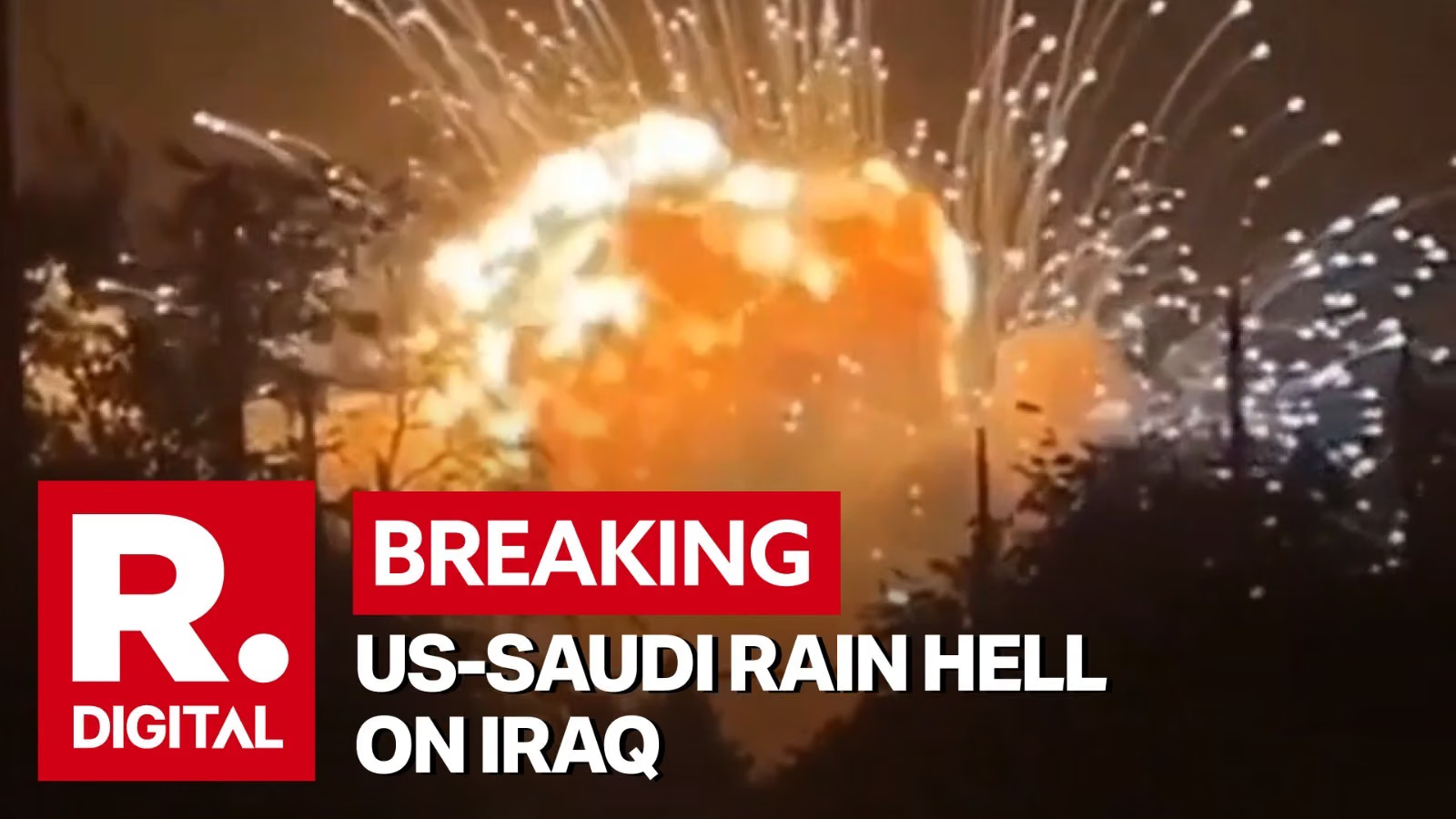
US, Saudi Arabia Launch Joint Precision Strikes in Iraq Targeting 'Iran-Aligned Terrorists'
Japan Earthquake Toll Rises To 13 As Rescuers Haul People From Collapsed Kumamoto Mall

 Politics23 hours ago
Is Tinubu Going For Boxing Or 100 Metres? – APC Chairman, Yilwatda Slams Peter Obi Over ‘Tired’ Remark
- Politics17 hours ago
Taraba Lawmaker Calls On State Government To Accord Priority, Funding To Hepatitis Treatment As HIV/AIDS
- Entertainment10 hours ago
“I opened an account”- Nigerian lady who relocated to Canada displays account balance, amount sparks buzz
- Viral21 hours ago
“My sister, family turned against me because I refused to care for the child I birthed” — Lady reveals
- Entertainment14 hours ago
Odogwu Asaba: “She is hungry”- Late Favour’s twin explains why she brought bread, sardine to her grave
- Viral20 hours ago
Professional Indictment: Lawyer Ejiofor’s Dubious Mix of Civil and Criminal Procedure Keeps Kanu in Chains
- Headlines8 hours ago
“That Man Slapped Me Twice and Called Me Bad Names And Gave Me Naira 45M,” Sad as Abuja Woman Reveals How a Top Politician Allegedly Lured Her to a Lodging With an iPhone and Left Her Pregnant
- Metro12 hours ago
“FG Unveils Seven Locally Developed Herbal Products” — NNMDA Targets Cancer, Hepatitis B, Hypertension