Headlines
Akwa Ibom CSOs fault proposed Civil Society Registration Bill, demand review

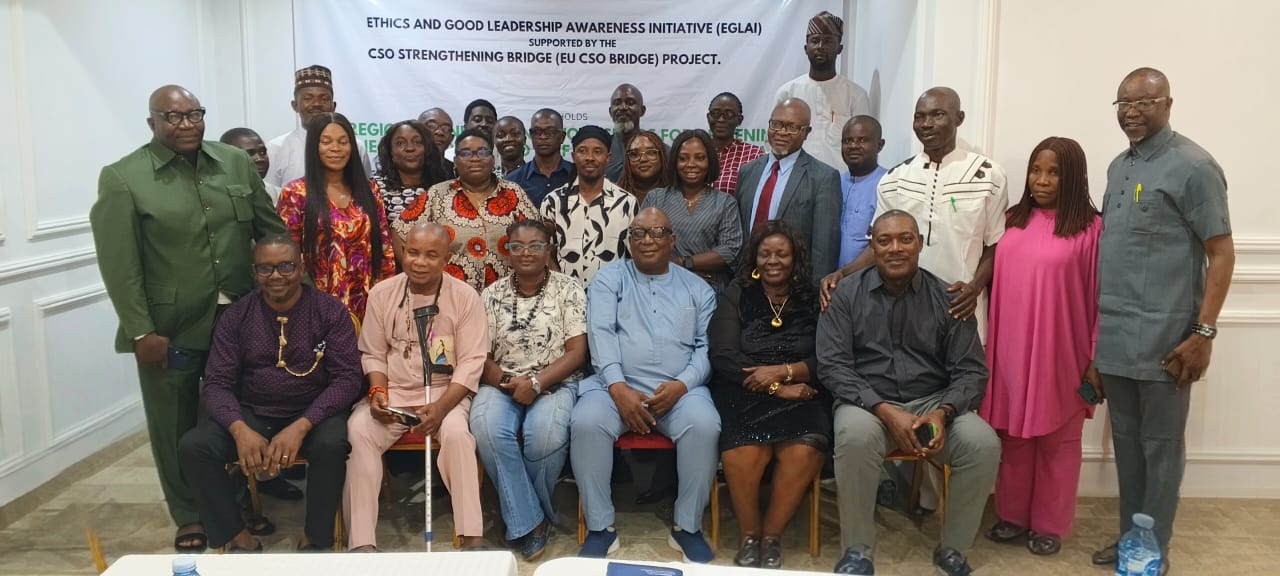
Stakeholders in the civic space have identified some lapses in the proposed Akwa Ibom Civil Society Registration Harmonization Bill 2026, which has already passed first reading on the floor of the House.
They expressed concerns over its legal provisions, regulatory powers and potential implications for civic space, calling for urgent review.
The stakeholders made the call in Uyo on Friday during a workshop organised by the Forum of Akwa Ibom CSOs and the Technical Working Group, TWG, with support from EU-funded CSO-Bridge Project and the Ethics and Good Leadership Awareness Initiative, EGLAI.
Speaking during the technical presentation, Dr Sam Oguche of the National Institute for Legislative and Democratic Studies expressed reservation at the appointment of the Registrar and three Assistant Registrars, noting that the bill does not provide for direct CSO involvement in the selection process.
He also questioned the undefined requirement of 10 years’ relevant sector experience, the absence of safeguards for geographical representation, and the lack of clarity regarding the Registry’s legal status and functions. He warned that assigning excessive powers to the Registrar rather than the Registry as an institution could undermine accountability.
Also speaking, Barr. Shekwonya Galadima of the Nigerian Law Reform Commission faulted the bill’s drafting style, citing inconsistencies with modern legal drafting standards, grammatical errors, improper capitalisation and undefined terms.
She further identified the absence of provisions for regulations, offences and sanctions, proper citation and schedules, calling for the necessary corrections to improve the bill’s legal clarity.
Members of the TWG and media practitioners also alleged that the version presented for review differed significantly from the one they had submitted to the State House of Assembly before it passed first reading.
The team lead of EGLAI, Dr Harry Udo, described the engagement as participatory and inclusive, noting that discussions focused on transparency, accountability and effective regulation without unduly restricting civic space.
“Regulation is positive unless it becomes overly restrictive,” Dr Udo said, adding that an appropriate legal framework could strengthen accountability and build government confidence in partnering with CSOs.


“The Legal Process Must Not Become A Source Of Intimidation” — NUJ Demands Probe Of Kaduna Journalist’s Conviction Over Facebook Post

Gov. Dauda Lawal Swears In Five New Permanent Secretaries, Calls For Compliance With Public Service Rules

EXCLUSIVE: NIMC Under Abisoye Coker-Odusote Faces ₦49.9m Cash Advance Questions, ₦24.9m Lagos Renovation Split Into Two Payments

“Some Ministers Pay Billions To Get Themselves Appointed” — Tinubu Campaign Spokesman Alleges Corruption In Appointment Process

‘President’s Job Is Not To Be High Jumper’ – Dele Momodu Reacts To Makinde’s Challenge To Presidential Candidates

Security Tightened In Kaduna Ahead Of Tinubu’s 2027 Campaign Flag-Off — Operatives Guard Posters, Billboards

Akwa Ibom Governor Umo Eno Spent N424.9 Billion In Six Months Unaccounted For Even When He Intends To Waste N10 Billion For Arise Palm Resort And N2.6 Billion For His Trip Round The World

“No Indication To Alter Large Gatherings” — FG Rules Out Ebola Restrictions, Monitors 44 Contacts, Cuts Foreign Delegations

“Voters Must Be Able To Make Decisions Based On Credible Information” — EU Warns Against AI-Driven Electoral Disinformation

Breaking: Diri Unleashes Fury On Donald Duke Over Coastal Highway, Calls Him ‘Jester And Pretender’—Declares: “I Am Not That Fellow!”

Nasarawa United react to four players’ U-23 national team call-ups

NNL: Gombe United name Jack Kere new captain

Bundesliga: Boniface eyes loan move away from Bayer Leverkusen

Akwa Ibom CSOs fault proposed Civil Society Registration Bill, demand review

Arokodare opens door to permanent Ajax transfer

Oyo indigene asks EFCC to probe state govt’s finances, loans

Police rescue two children found in abandoned vehicle in Niger

Otunba Senator Gbenga Daniel Toasts 25 Years of Gateway Front Foundation as US Doctors Deliver 300 Free Surgeries in Ogun

EPL: Carragher predicts winners of Chelsea vs Tottenham, Man United vs Bournemouth, Arsenal, Liverpool, others

Messi names two best goals of his career

 Politics6 days ago
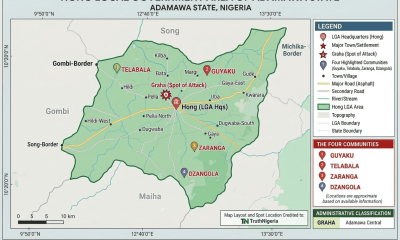
Boko Haram Reportedly Destroys Half of Graha Community as Neighbouring Adamawa Villages Brace for Possible Further Attacks
- News6 days ago
Gov. Uzodimma Waste N400 Million To Rehabilitate Lagos Lodge, N250 Million For Just One-Storey Building In Government House, N175 Million For Chalet And Many More
- News6 days ago
Rascal In Power: In 90 Days, Delta Governor Sheriff Oborevwori Spent N310 Million For Treatment Abroad And Moves To Waste N500 Million To Build New Government House
- News6 days ago
Gov. Seyi Makinde Doubled Oyo’s Borrowings To N368.2 Billion In One Year And Drew Three Quarters Of His 2026 Loans In Three Months
- Metro6 days ago
“They Told Me To Resign And Leave The Country” — Okonjo-Iweala Says $2.4bn Subsidy Fraud Probe Led To Mother’s Kidnap
- Metro7 days ago
“Every Action You Take In This System Can Be Reviewed” — NIS Deploys AI, Digital Audit Trails To Monitor Immigration Officers
- News6 days ago
Gov. Bala Mohammed Drove Bauchi Into N441.7 Billion Of Debt And Smashed His Own Borrowing Ceiling In Six Months
- Politics4 days ago
THE WEEK: Islamist Jihadists Burn Evangelist Alive in Adamawa, Kidnap Catholic Priest in Benue, Strike Bases