Metro
Only Four of 68 Federal Universities Exploit Alternative Funding — Alausa

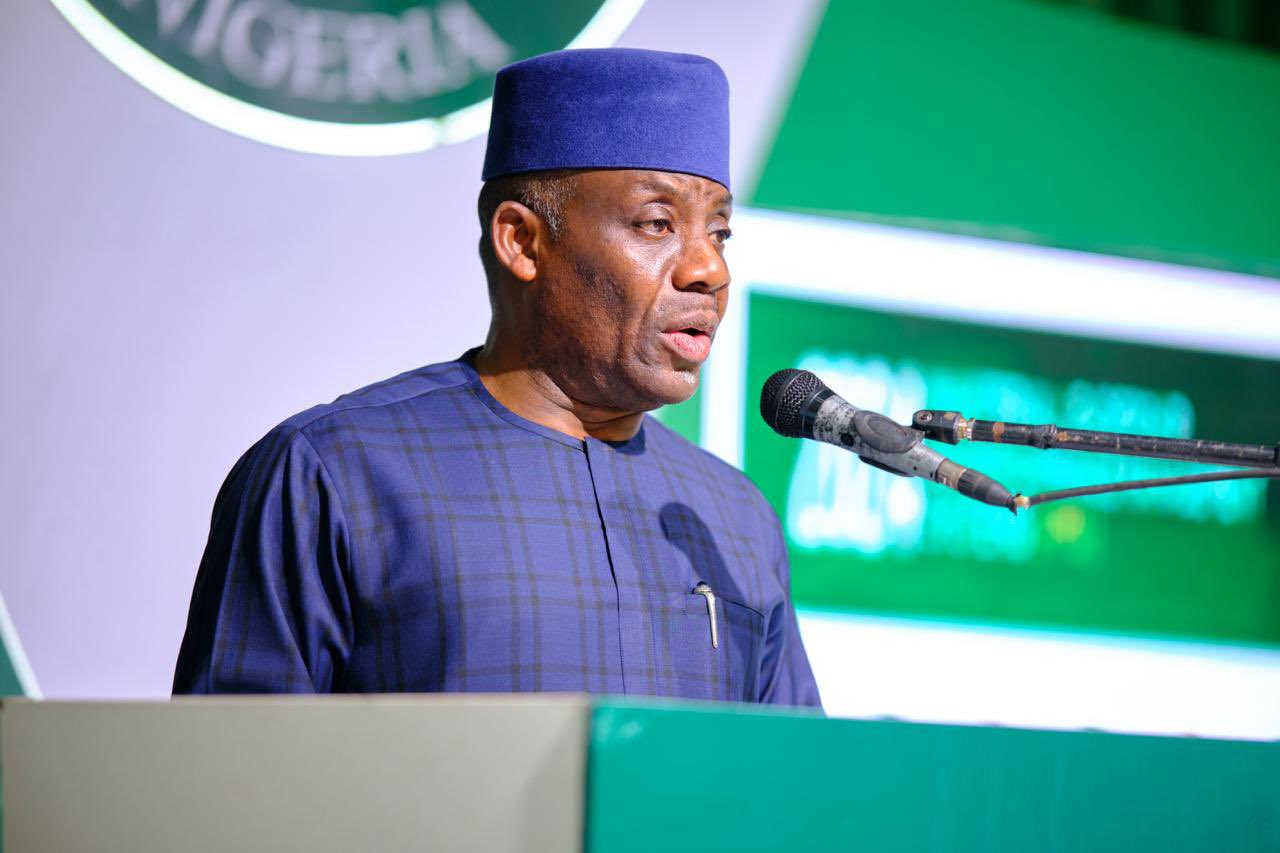
The Minister of Education, Dr Maruf Tunji Alausa, has directed Vice-Chancellors of Nigerian public universities to diversify their sources of funding and strengthen their institutions’ Advancement Offices to attract more resources beyond government allocations. Alausa gave the directive at the National Advancement Forum 2026, where he expressed concern that only……
The Minister of Education, Dr Maruf Tunji Alausa, has directed Vice-Chancellors of Nigerian public universities to diversify their sources of funding and strengthen their institutions’ Advancement Offices to attract more resources beyond government allocations.
Alausa gave the directive at the National Advancement Forum 2026, where he expressed concern that only four of the 68 federal universities were currently making meaningful use of alternative funding opportunities such as research grants, endowments, alumni giving, philanthropy and industry partnerships.
The minister said the situation was unacceptable, urging Vice-Chancellors to make resource mobilisation a core responsibility of university leadership.
“Government funding is not enough. Universities live, function and excel on blended funding,” Alausa said.
He said university leaders must move beyond administering government allocations and actively build relationships with alumni, businesses, philanthropists, prominent individuals and research funders to attract additional resources for institutional development.
READ ALSO: Alausa Orders National Library Contractors To Meet Deadlines
According to him, universities can leverage their intellectual capital to secure funding for laboratories, scholarships, research chairs, innovation programmes and other strategic priorities.
Alausa stressed that the call for diversified funding was not a withdrawal of government support, noting that the administration of President Bola Ahmed Tinubu had demonstrated commitment to education through budgetary allocations, tertiary infrastructure investments and other interventions.
He said the Federal Government currently pays personnel costs in full, while universities retain 75 per cent of their internally generated revenue and benefit from direct and special interventions from the Tertiary Education Trust Fund (TETFund).
The minister, however, said the existing government support should serve as a foundation for universities to develop more sustainable and resilient funding sources.
To improve resource mobilisation, Alausa directed that Advancement Offices in all universities should report directly to the offices of the Vice-Chancellors rather than the Registrars.
He also directed Vice-Chancellors at the forum to communicate the directive to their institutions immediately.
Alausa further directed that Directors of Advancement should have a minimum internal tenure of five years, renewable where appropriate, to enable them to establish lasting relationships with donors, alumni, industry and other funding partners.
“Advancement Office operation is a professional job,” he said, describing advancement officers as professional fundraisers who require institutional support and stability to deliver results.
The minister also urged universities to prioritise alumni engagement by developing functional databases and using technology to maintain relationships with their graduates in Nigeria and abroad.
He said effective alumni systems would help institutions identify, engage and mobilise graduates as long-term partners, stressing that alumni engagement should be treated as a strategic component of institutional advancement.
Alausa also recalled that some research and endowment funds had previously been moved into the Treasury Single Account (TSA), creating challenges in accessing the funds and affecting confidence in their management.
He said President Tinubu subsequently directed the development of a framework allowing research and endowment accounts to be moved from the TSA to commercial banks of choice.
“President Bola Ahmed Tinubu has met you beyond halfway. He has given you the leverage and the opportunity to do your jobs well. You must now take advantage of it,” Alausa told the Vice-Chancellors.
The minister expressed disappointment that many universities had yet to fully exploit the opportunities created by the administration, urging their leaders to take advantage of the policy environment to strengthen their institutions.
He warned that universities that failed to diversify their funding bases could have their capacity for sustained growth, research and academic excellence limited.
Alausa said the Ministry of Education, in collaboration with the Nigerian Higher Education Foundation (NHF), would develop a comprehensive national framework for sustainable financing of tertiary institutions.
He said the framework would cover endowment governance, accountability, research grants, Advancement Office structures, alumni giving, industry partnerships, philanthropy incentives, revenue management and transparency.
According to him, public universities would be progressively onboarded into the framework, with each institution expected to build an endowment, establish effective advancement structures, maintain functional alumni databases, strengthen research funding capacity and develop partnerships with industry and philanthropists.
The minister stressed that accountability and transparency would remain central to university advancement, noting that donors, alumni, businesses and research funders would only sustain their support for institutions they trust.
He clarified that the initiative was not designed to replace government funding or make universities dependent solely on internally generated revenue but to establish diversified financing systems that complement government support and sustain academic excellence.
Alausa assured that the Federal Ministry of Education would continue to provide policy direction and an enabling environment for stronger university financing while expecting university leaders to take greater responsibility for mobilising resources.


EPL: ‘No longer sharp, quick’ – Carragher names who to blame for Arsenal’s first goal against Chelsea

“If Peter Obi becomes President, insecurity will become a thing of the past” – Ex-military officer declares

Oyo 2027: Civil servants wait for seven to 10 years before receiving entitlements – ADC guber candidate

2027: If You Had The Guts To Challenge Sitting President, Why Didn’t You Come Out? – Sambo Fires Datti

Evening recap: FG to give Nigerian shipowners $25m, Drivers, cooks, traders can own refinery shares, other top stories

CBN Deputy Governor Emem Usoro Who Was Side Chic To A Married Man Accused Of Watching Him Take His Last Breath, Buried Him Alone And Took His Death Certificate From His Wife – Secrets Reporters Nigeria

Paper Promises vs. Real Pulses: Why Nigeria’s Hypertension Crisis Demands Cash-Backing, Not Just Budget Speech-Making – Professor Emmanuel Alhassan and LISDEL

‘After Working With Peter Obi, You Risk Suffering Post-political Identity Crisis’ – Kenneth Okonkwo Defends Datti

Exclusive: Niger Delta Suffers While MDGIF Director Oluwole Adama Hides N12.9 Billion Natural Gas Fund – Secrets Reporters Nigeria

Ibiyeomie Rejects Offerings From Internet Fraudsters, Tells Them To Leave » Apples Bite Int’l Magazine

US strikes more Iranian tankers in response to continued missile attacks against US vessels

Why I returned Ogogo’s N25m after his death — Ogun Imam

Man arrested in Kano for posing as CSP, promising police recruitment slots
Man arrested in Kano for posing as CSP, promising police recruitment slots

Belgian far-right party cannot use IKEA trademarks for anti-immigration campaign, EU court advises

Kenya gives foreign workers 90 days to formalise status

We can’t take Presidency with your gentleman nature -Isaac Fayose to Peter Obi

Kano court jails two men nine years for supplying intoxicants to children

“I didn’t see his message on time”

Southern Ijaw Women Forum Visits Inegbegha, Plans Thank-You Tour to Gov. Diri

 Headlines14 hours ago
Oyo 2027: Civil servants wait for seven to 10 years before receiving entitlements – ADC guber candidate
- News22 hours ago
Evening recap: FG to give Nigerian shipowners $25m, Drivers, cooks, traders can own refinery shares, other top stories
 News19 hours ago
CBN Deputy Governor Emem Usoro Who Was Side Chic To A Married Man Accused Of Watching Him Take His Last Breath, Buried Him Alone And Took His Death Certificate From His Wife – Secrets Reporters Nigeria
- Politics12 hours ago
‘After Working With Peter Obi, You Risk Suffering Post-political Identity Crisis’ – Kenneth Okonkwo Defends Datti
 News19 hours ago
Exclusive: Niger Delta Suffers While MDGIF Director Oluwole Adama Hides N12.9 Billion Natural Gas Fund – Secrets Reporters Nigeria
- News16 hours ago
Ibiyeomie Rejects Offerings From Internet Fraudsters, Tells Them To Leave » Apples Bite Int’l Magazine
- News12 hours ago
Shettima Tasks Transporters on Peaceful Mobilisation for Tinubu’s 2027 Re-election Bid » Apples Bite Int’l Magazine
- News14 hours ago
Investigation: SEEPCO’s Anthony Chukwueke Was the FG Regulator Sacked in 2007 for Improperly Awarding Oil Licenses and Is Now Chairman of the Company That Walked Away With Nigeria’s Richest Well – Part One – Secrets Reporters Nigeria