World
Taiwan charges 9 over illegal AI server exports to China, including Nvidia and Super Micro staff

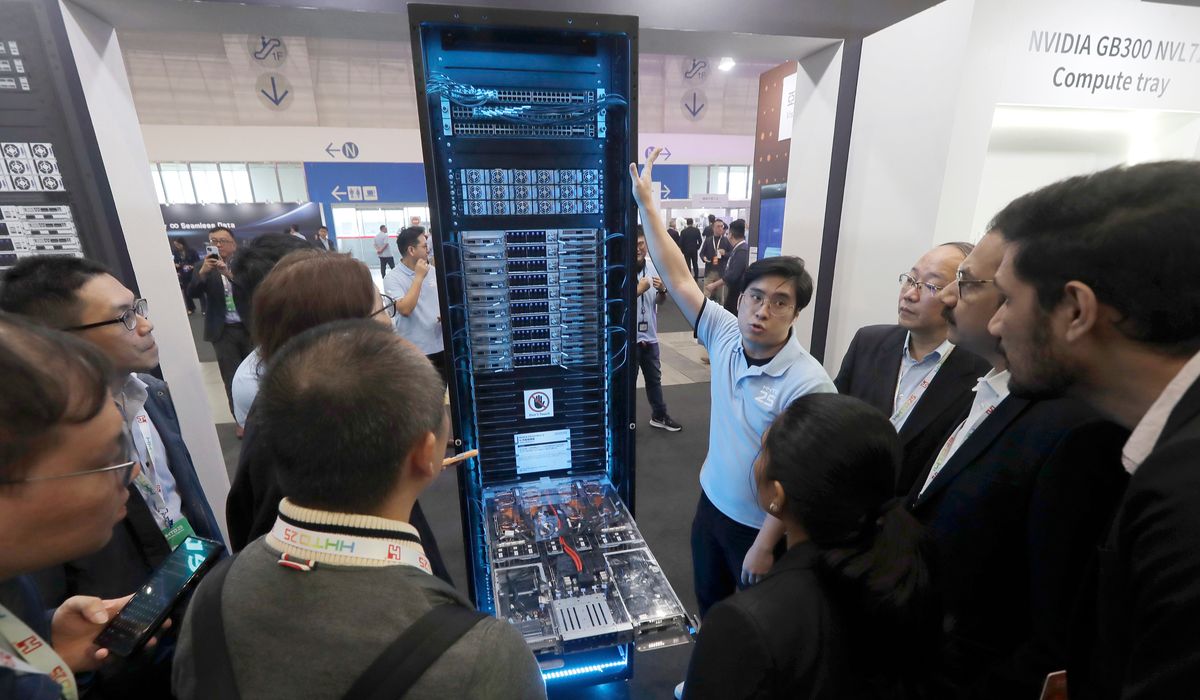
TAIPEI, Taiwan — Taiwanese prosecutors charged nine people Monday, including one from Nvidia and two from Super Micro, for illegally exporting “high-end AI servers” to mainland China, adding another wave of turbulence in the AI rivalry between China and the United States.
AI infrastructure, including advanced semiconductors mostly made in Taiwan, has become a key point of competition between the U.S. and China. Washington began imposing restrictions on Nvidia’s exports of advanced chips to China in 2022 and tightened them in subsequent years. In April 2025, the U.S. required licenses for exports of Nvidia’s H20 chips to China, before allowing some sales to resume later that year.
Under export controls, any sale by Nvidia of high-end AI servers – the computer infrastructure that houses the chips needed to power AI systems – requires a strict review process, according to a document from Keelung District Prosecutors’ office in Taiwan. The document also said purchases of more than eight high-end AI servers require company staff to conduct on-site checks to the clients.
Prosecutors said the servers involved were graphics processing units known as “B300,” which have been banned from sale to China.
“We will work with the Taiwan authorities to help them resolve the allegations as quickly as possible,” Nvidia spokesperson Patrick Rutherford said in a written statement.
Super Micro said in a written statement that the arrests of two of its former employees were due to its cooperation with the Taiwanese authorities and the company will continue to work to “enhance its robust export compliance program to protect American innovation.”
Seventy-four servers arrived in China successfully, according to the prosecutors. Of those, 50 were sent through Indonesia, 16 delivered directly to China and eight sent to Japan first, then Hong Kong, before they landed in mainland China.
Another attempt involving 56 servers failed, and the servers remain in Taiwan, said the prosecutor’s office.
Prosecutors are seeking the maximum five-year sentences for four of the nine defendants, including Chang, an Nvidia manager identified just by his family name. Chang was the “key figure” responsible for “authorizing the release of the B300 GPUs” in this case but “demonstrated a clearly poor attitude following the offense,” the document said.
Some of the defendants set up a company in Japan, which helped successfully transfer eight of the servers, prosecutors said. Some allegedly created fake websites and falsified information to evade export restrictions.


“A governor once gave Wizkid a bag full of dollars” – Kizz Daniel’s bouncer reveals what singer allegedly did next

‘It Is A Disgrace Tinubu Doesn’t Trust Anyone’ – Melaye Slams President’s Self-Appointment As Campaign Chairman

“I spent months praying for God to take my husband’s money away” — Woman opens up on painful marriage

Economic Impact of Extracted Precious Metals from Electronic Waste in South Western, Nigeria; Review of Extraction Methods

BAECC Reaffirms Commitment to the Timely Delivery of the Benin-Asaba Expressway Project Following Recent Protest

Ogun community raises alarm over alleged destruction of farmlands by land grabbers, begs Gov Abiodun to intervene

₦394.86m Financial Irregularities: Nigeria’s Bata Consulate Paid Unapproved Subsidy, Retained Public Funds – Secrets Reporters Nigeria

23 years of operation: Globacom as the architecture of value and the audacity to never settle for less

‘He didn’t speak on my authority’ – Atiku counters aide, insists on total restoration of fuel subsidy

Fuel Subsidy: They Don’t Have Patience To Study What Atiku Is Proposing – Ologbondiyan Knocks Tinubu’s Govt

How NIBSS is rewriting the future of Nigeria’s digital payments economy through NPS

Atiku Disowns Aide’s Comment On Subsidy Restoration Plan

“I told her several times not to kneel” — Husband sends wife away after she knelt for pastor

From Marmoush to Iwobi: Highest-paid African players in EPL – Reports

Ogogo’s Family Announces 8th-Day Fidau, 40-Day Artists’ Day

The security-obsessed global economy needs its own Helsinki process

“I had to tell myself the truth”

It Was Not Yahaya Who Retired Me From Politics – Goje Fires Back At Critics

NSCDC arrests two suspected cattle rustlers in Kano

US Offers $18m Reward For Information On 2 ISIS-K Leaders…

 Headlines20 hours ago
Ogun community raises alarm over alleged destruction of farmlands by land grabbers, begs Gov Abiodun to intervene
- Headlines17 hours ago
‘He didn’t speak on my authority’ – Atiku counters aide, insists on total restoration of fuel subsidy
- Politics19 hours ago
Fuel Subsidy: They Don’t Have Patience To Study What Atiku Is Proposing – Ologbondiyan Knocks Tinubu’s Govt
- News15 hours ago
Evening recap: Falana faults NBA over George Weah invitation, Poco Lee’s management clears drink-spiking claims, other top stories
- News12 hours ago
Exclusive: NFIU Places Tinubu’s Campaign DG Abdulaziz Yari Under Secret Investigation For Laundering $500,200 Through New Bank Account In 7 Days – Secrets Reporters Nigeria
- Viral24 hours ago
“Something no clear here” — Lady recounts how friend ended relationship with millionaire ex after strange setbacks
- News5 hours ago
Sacred Cow: How Nigerian Government Shields George SGF Akume Despite Involvement in Establishing Three Fake Agencies – Secrets Reporters Nigeria
- News3 hours ago
Morning recap: Governors spend N512bn on travels and offices, 19 oil licences expire this year, other top stories