News
Nigerian Police Conspires With House of Reps Member Austin Achado To Pay N725 Million For Consultancy To His Company In One Day – Secrets Reporters Nigeria

Secrets Reporters
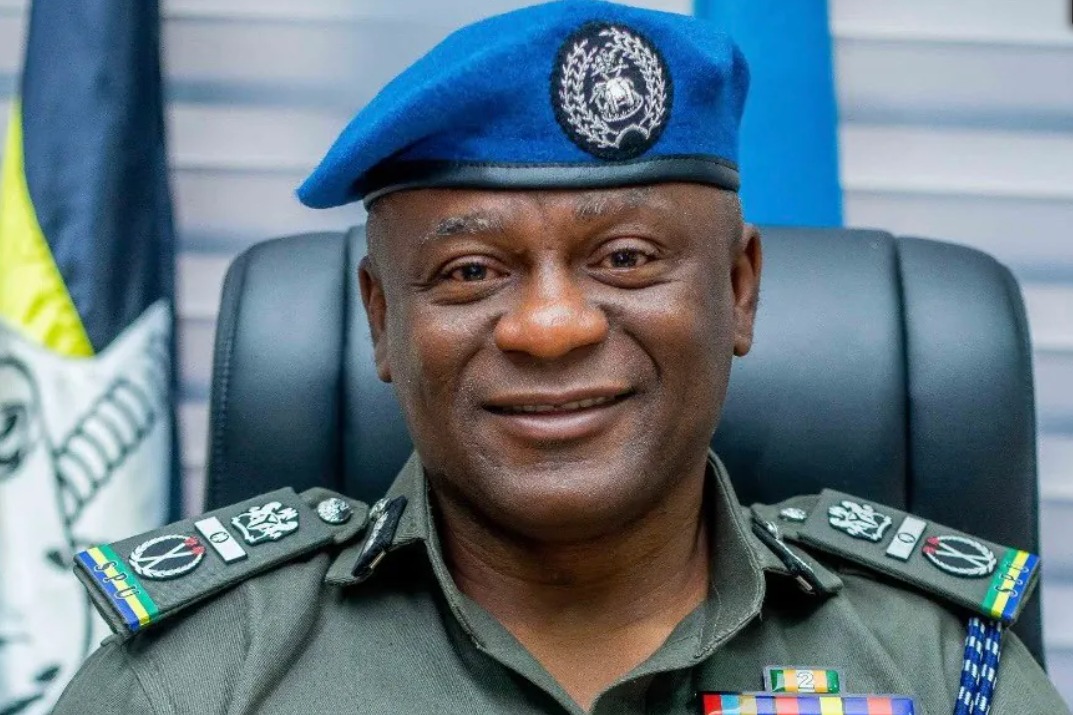
In a single day in May 2026, Nigeria’s Police Formations and Commands transferred more than ₦725 million to Archtik Consultants Limited as 90 percent part-payments for consultancy services covering the construction of modern police area commands across a dozen states, the completion of the FCT Command Headquarters permanent site in Utako, Abuja, and the building of an armoury and store in the capital. These were not isolated transactions. Between late 2024 and mid-2026 the same firm received well over ₦1 billion from the same federal police budget line for related consultancy work on police buildings, infrastructure rehabilitation, an institute of finance and administration, and secondary-school facilities.
The single-day total of ₦725,911,991.12 comprises four 90 percent part-payments: ₦195,368,315.56 for commands in Kogi, Ebonyi, Bayelsa, Ondo and Ogun; ₦223,348,583.79 for Ekiti, Imo, Kano and Niger; ₦83,785,765.36 covering Oyo State work, the FCT Command Headquarters permanent site at Utako and related rehabilitation; and ₦223,409,326.41 for the Abuja armoury and store together with commands in Kaduna and Borno.
Archtik Consultants Limited is controlled by Austin Asema Achado, the All Progressives Congress member of the House of Representatives for Gwer East/Gwer West Federal Constituency in Benue State. Corporate records list him as a director. Achado, a trained architect and Fellow of the Nigerian Institute of Architects, founded the firm after leaving Benue State public service in the 1990s and entered the National Assembly in 2023. The company’s public portfolio already features earlier Nigeria Police Force projects, including hostels in Abuja and the Yobe State Police Command Headquarters.
Nigerian law draws a bright line against precisely this arrangement. The Fifth Schedule to the 1999 Constitution and the Code of Conduct Bureau and Tribunal Act forbid any public officer employed on a full-time basis from engaging or participating in the management or running of a private business, profession or trade; farming is the only explicit exception.
Holding a directorship is widely understood by the Code of Conduct Bureau itself to constitute prohibited management. Civil Service Rules state that public officers must not serve as directors of private companies.
The Public Procurement Act 2007 defines conflict of interest to include any direct or indirect interest in a bidder or service provider that could confer personal gain through influence over procurement decisions, and it requires disclosure and recusal. None of these safeguards appears to have interrupted the flow of contracts.
The pattern is familiar. Political officeholders or their proxies retain control of private companies that then become preferred recipients of public contracts, particularly in opaque consultancy and construction niches where technical evaluation is difficult to scrutinise. The result is a quiet form of contract racketeering: public funds intended for security infrastructure are systematically redirected toward a narrow circle of politically connected firms. While hundreds of millions of naira move for “consultancy,” ordinary police stations remain under-equipped, officers’ welfare stays precarious, and citizens continue to live with inadequate protection. The same political class that appropriates and oversees these budgets simultaneously profits from them.
This is not merely a legal technicality. It is a structural feature of elite accumulation that keeps the poor poor and steadily dissolves the residual trust Nigerians still place in government. Every fresh revelation of connected contracts reinforces the widespread conviction that the state exists primarily to enrich its operators. Until asset declarations, director resignations, procurement disclosures and independent audits are enforced without selective blindness, the cycle will persist: contracts for the connected, stagnation for everyone else, and a deepening gulf between citizens and those who claim to represent them.





‘Atiku Will Definitely Lose 2027 Election, Peter Obi-Kwankwaso Have 70 Percent Chances’ – Babachir Lawal

Buhari Had Intelligence Reports on Tinubu’s Education, Genealogy, Complained About It – Former SGF Lawal Reveals

EFCC: ‘I’ve been in pain since I publicly supported you’ — Former NSIPA CEO cries out to Tinubu [Video]

What Exactly Is The Interest Of This Man?– Lere Olayinka Reacts To Gumi’s Warning To Niger Governor Bago

Governor Dauda Lawal Join VP Shettima’s Delegation to Benin Republic, Seeks Industrial Model to Boost Zamfara’s Agric Zones

“I had to clean poop from the Uber with my bare hands” – Man recounts embarrassing ordeal after date with talking stage

“I Am A Citizen, I Can’t Carry My ID Everywhere I Go” — South African Man Breaks Down After Being Mistaken For A Foreign National

“No be the same person wey say marriage no be achievement?” Fans react as Geh Geh’s alleged secret wedding surfaces online

𝐑𝐞𝐧𝐞𝐰𝐞𝐝 𝐇𝐨𝐩𝐞 𝐒𝐭𝐮𝐝𝐞𝐧𝐭 𝐀𝐦𝐛𝐚𝐬𝐬𝐚𝐝𝐨𝐫𝐬 𝐇𝐨𝐥𝐝𝐬 𝐒𝐭𝐮𝐝𝐞𝐧𝐭 𝐋𝐞𝐚𝐝𝐞𝐫𝐬 𝐓𝐨𝐰𝐧𝐡𝐚𝐥𝐥 𝐌𝐞𝐞𝐭𝐢𝐧𝐠 𝐎𝐧 𝐕𝐨𝐭𝐞𝐫 𝐄𝐝𝐮𝐜𝐚𝐭𝐢𝐨𝐧 𝐚𝐧𝐝 𝐂𝐢𝐯𝐢𝐜 𝐄𝐧𝐠𝐚𝐠𝐞𝐦𝐞𝐧𝐭 𝐈𝐧 𝐎𝐠𝐛𝐢𝐚

“When did public opinion become stronger than the altar?” – AY Makun reacts following withdrawal from church programme

Markets take a sigh of relief alongside a pause in U.S.-Iran strikes

Explain Your Strategies, You Can’t Run The Country With Vibes – Rufai Oseni Fires Peter Obi

Edo Security Corps arrest two suspected drug traffickers in Benin

Thelma Lawson Says BBNaija Season 10 House Better
Edo Security Corps arrest two suspected drug traffickers in Benin
Edo Security Corps arrest two suspected drug traffickers in Benin

Drug kingpin, ex-footballer jailed 24yrs for cocaine trafficking

US Embassy Directs Dual Citizens to Travel With Valid American Passports

A new chapter in Nigeria’s campaign against substance abuse…

Jigawa unveils 2025–2030 plans to drive local development

 Viral19 hours ago
𝐑𝐞𝐧𝐞𝐰𝐞𝐝 𝐇𝐨𝐩𝐞 𝐒𝐭𝐮𝐝𝐞𝐧𝐭 𝐀𝐦𝐛𝐚𝐬𝐬𝐚𝐝𝐨𝐫𝐬 𝐇𝐨𝐥𝐝𝐬 𝐒𝐭𝐮𝐝𝐞𝐧𝐭 𝐋𝐞𝐚𝐝𝐞𝐫𝐬 𝐓𝐨𝐰𝐧𝐡𝐚𝐥𝐥 𝐌𝐞𝐞𝐭𝐢𝐧𝐠 𝐎𝐧 𝐕𝐨𝐭𝐞𝐫 𝐄𝐝𝐮𝐜𝐚𝐭𝐢𝐨𝐧 𝐚𝐧𝐝 𝐂𝐢𝐯𝐢𝐜 𝐄𝐧𝐠𝐚𝐠𝐞𝐦𝐞𝐧𝐭 𝐈𝐧 𝐎𝐠𝐛𝐢𝐚
- Entertainment19 hours ago
“I won’t be alive to see Christ humiliated” – Pastor David Ibiyeomie blasts government over bus preaching ban
- Viral19 hours ago
IYC CENTRAL ZONE ELECTION: PROTEST BREWING OVER ALLEGED DELEGATES LIST MANIPULATION BY GOVERNOR’S BROTHER.
- Viral19 hours ago
ALLEGED AVIATION SCHOLARSHIP SCAM: SECOND SUCCESSFUL CANDIDATE SUES DR ERUANI AZIBAPU AND AZIKEL GROUP FOR 1.9 BILLION NAIRA
- Viral18 hours ago
IYC Directs Central Zone to Suspend Planned Solidarity March Over Kiriyai Case, Seeks Amicable Settlement
- Entertainment23 hours ago
“If my wife cheats it’s over, but if I cheat, she’ll forgive me” – Man shares controversial take on infidelity
- Politics9 hours ago
They Set Labour Party On Fire To Burn Me, Now They Have Carried Same Fire To NDC – Peter Obi Slams APC
- Special Report23 hours ago
Soldier accused of supplying military uniforms to terrorists arrested