News
Stakeholders Call For Inclusive Policies To Promote Gender Equality In Nigeria

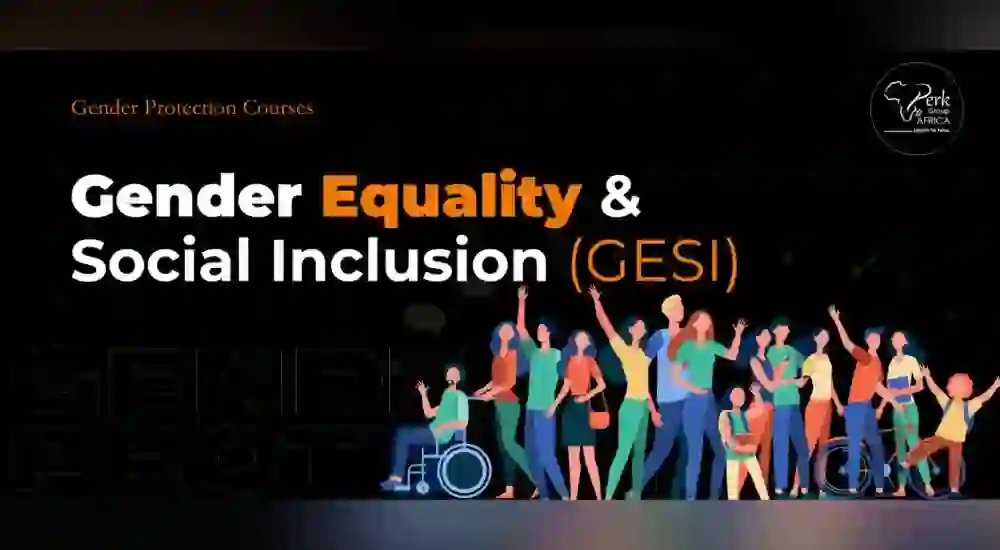
Gender experts and development stakeholders have called on governments at all levels to adopt inclusive policies that promote fairness, advance gender equality and strengthen social protection for women, young people and persons with disabilities across Nigeria.
The call was made on Friday in Abuja during the inauguration of Nigeria’s Gender Equality and Social Inclusion (GESI) Performance Leaderboard, an assessment designed to evaluate the performance of all 36 states in promoting inclusion and equal opportunities.
Dr Priscilla Achakpa, Founder and Global Lead of the Women Environmental Programme (WEP), urged the media, private sector and other stakeholders to support efforts to advance gender equality and improve social protection across the country.
Achakpa stressed that gender equality and social protection should not be treated as the responsibility of government alone, noting that families, communities, businesses and the media all have important roles to play.
She called on families and communities to treat girls, boys and persons with disabilities with dignity, care and equal respect.
According to her, government policies should recognise the different needs of individuals while ensuring fairness, equal opportunities and inclusion in society.
Achakpa explained that the GESI Performance Leaderboard was developed to assess how effectively women, young people and persons with disabilities are represented and included in governance across the country.
She said the assessment was designed to determine the extent to which state governments had translated their commitments to inclusion into practical actions.
The assessment covered six key areas: leadership and representation, policy and legal frameworks, accessible infrastructure, budget allocation, access to justice and open governance.
Achakpa disclosed that 108 trained data collectors, with three assigned to each state, gathered information through official records, interviews, online reviews and physical inspections.
She said the exercise would help promote accountability among state governments and encourage them to address gaps in gender equality and social inclusion.
She also appreciated government officials who provided information for the assessment and acknowledged the support of development partners, including Christian Aid and ActionAid.
Speaking at the event, John Baaki, Co-Executive Director of WEP, said the organisation collected data on state legislators, members of executive councils and key judicial officials, including chief judges and leaders of customary and Sharia courts.
Baaki explained that the data were analysed to determine the representation of different genders, age groups and persons with disabilities in government institutions.
He added that the team relied on online searches to obtain additional information where official records did not provide sufficient details.
According to him, data collectors also visited state government secretariats to assess the availability of facilities that support access for persons with disabilities and other groups.
The facilities inspected included ramps, elevators, accessible toilets, crutches and breastfeeding rooms.
Baaki said states were scored based on the facilities available, while those with ongoing construction projects received partial marks.
He identified Zamfara as one of the states that recorded a low score in the assessment.
Also speaking, Aver Akighir, Executive Director of the Hope Alive for Possibilities Initiative (HAPI), urged stakeholders to move beyond policy commitments and ensure that their promises resulted in measurable improvements in people’s lives.
She emphasised the importance of ensuring that women, young people and persons with disabilities were not excluded from development programmes and public services.
Similarly, Dr Iniobong Abiola-Awe, Director of the Department of Climate Change at the Federal Ministry of Environment, called on state governments to use the assessment findings to improve policies, strengthen institutions and increase budgetary commitments towards gender equality and social inclusion.
Abiola-Awe, who was represented by Cordelia Elebeke of the ministry’s Department of Climate Change, also encouraged states that had made progress to share their experiences and effective practices with others.
She stressed the need for evidence-based decision-making and accountability to guarantee equal opportunities in governance and access to climate-related interventions.
In her remarks, Stella Abah, Senior Gender Equality and Social Inclusion Specialist at Christian Aid, urged state governments to use the report to strengthen accountability and improve their performance in promoting inclusion.
Abah, who represented the organisation, said gender equality and social inclusion should be prioritised in government planning, budgeting and service delivery.
She reaffirmed Christian Aid’s commitment to working with relevant stakeholders to promote inclusive development and ensure that vulnerable groups were adequately considered in government policies and programmes.
The stakeholders expressed hope that the GESI Performance Leaderboard would encourage state governments to identify areas requiring improvement, strengthen accountability and implement policies that guarantee fair treatment and equal opportunities for all Nigerians.
READ ALSO:





Security Tightened In Kaduna Ahead Of Tinubu’s 2027 Campaign Flag-Off — Operatives Guard Posters, Billboards

“The Legal Process Must Not Become A Source Of Intimidation” — NUJ Demands Probe Of Kaduna Journalist’s Conviction Over Facebook Post

Gov. Dauda Lawal Swears In Five New Permanent Secretaries, Calls For Compliance With Public Service Rules

Akwa Ibom Governor Umo Eno Spent N424.9 Billion In Six Months Unaccounted For Even When He Intends To Waste N10 Billion For Arise Palm Resort And N2.6 Billion For His Trip Round The World

‘President’s Job Is Not To Be High Jumper’ – Dele Momodu Reacts To Makinde’s Challenge To Presidential Candidates

“Some Ministers Pay Billions To Get Themselves Appointed” — Tinubu Campaign Spokesman Alleges Corruption In Appointment Process

EPL: Carragher predicts winners of Chelsea vs Tottenham, Man United vs Bournemouth, Arsenal, Liverpool, others

“No Indication To Alter Large Gatherings” — FG Rules Out Ebola Restrictions, Monitors 44 Contacts, Cuts Foreign Delegations

“Voters Must Be Able To Make Decisions Based On Credible Information” — EU Warns Against AI-Driven Electoral Disinformation

ECOMOG Veterans Association seeks Nigeria’s support for national memorial, repatriation of fallen heroes

Two suspected thugs killed, vehicle burnt during attack on NDC candidate in Ebonyi [VIDEO]

NDC Fixes Date to Unveil Campaign Council for 2027 Elections

EPL: Conte in talks over Man United job, lays down conditions

2027: North-West Has Chosen Tinubu, Says APC Campaign Council Member

Asiwaju Is The Northern Candidate, We Will Deliver Him In 2027 – Musa Kwankwaso

Bandits attack Zamfara community, kill seven residents, abduct several others

Stakeholders Call For Inclusive Policies To Promote Gender Equality In Nigeria

EPL: Rooney tells Carrick to give Fernandes Ferguson-Ronaldo treatment after latest comments

Kaduna Government Debunks N2.3tn APC Rally Spending Claim

Barcelona react as Lionel Messi wins new award

 Politics6 days ago
Boko Haram Reportedly Destroys Half of Graha Community as Neighbouring Adamawa Villages Brace for Possible Further Attacks
- News7 days ago
Gov. Uzodimma Waste N400 Million To Rehabilitate Lagos Lodge, N250 Million For Just One-Storey Building In Government House, N175 Million For Chalet And Many More
- News7 days ago
Rascal In Power: In 90 Days, Delta Governor Sheriff Oborevwori Spent N310 Million For Treatment Abroad And Moves To Waste N500 Million To Build New Government House
- Politics5 days ago
THE WEEK: Islamist Jihadists Burn Evangelist Alive in Adamawa, Kidnap Catholic Priest in Benue, Strike Bases
- News7 days ago
Gov. Seyi Makinde Doubled Oyo’s Borrowings To N368.2 Billion In One Year And Drew Three Quarters Of His 2026 Loans In Three Months
- Metro7 days ago
“They Told Me To Resign And Leave The Country” — Okonjo-Iweala Says $2.4bn Subsidy Fraud Probe Led To Mother’s Kidnap
- News7 days ago
Gov. Bala Mohammed Drove Bauchi Into N441.7 Billion Of Debt And Smashed His Own Borrowing Ceiling In Six Months
- Metro3 days ago
“Millions Allegedly Collected For Undelivered Projects” — EFCC Arrests Innocent Ezuma Over $120m Ukrainian Investor Fraud