Politics
JUST IN: FG Speaks on Return to Fuel Subsidy and Multiple Exchange Rates

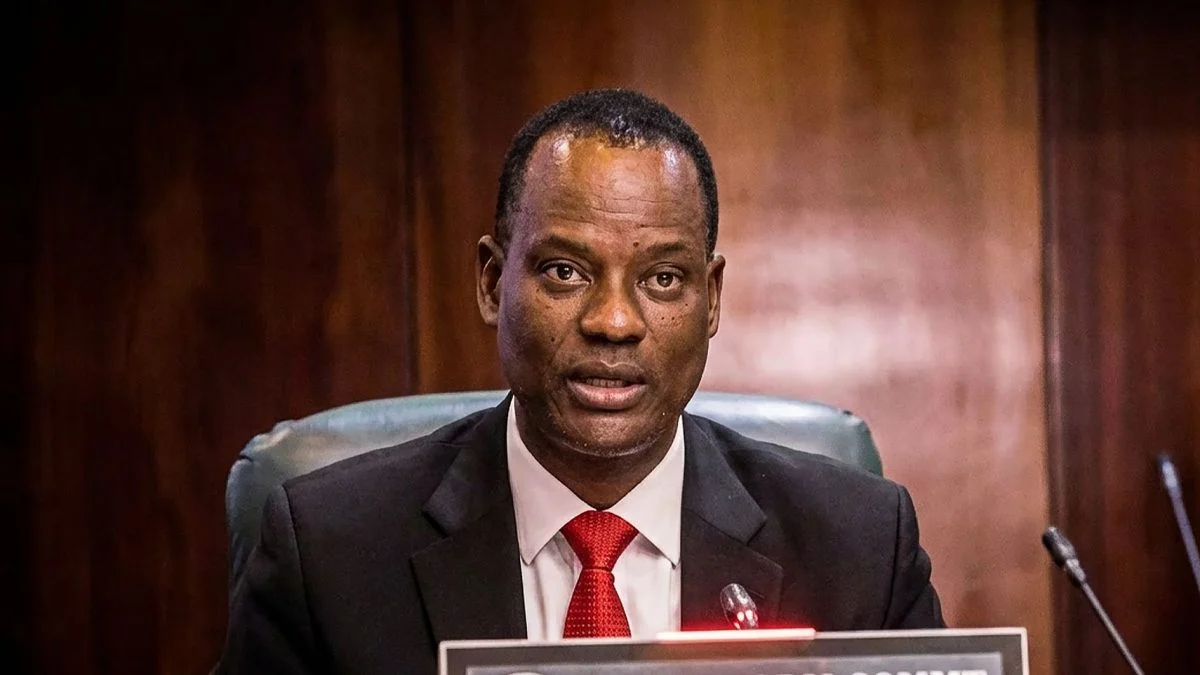
The Federal Government has ruled out a return to fuel subsidy and multiple foreign exchange rates, insisting that it will not reverse the economic reforms introduced under President Bola Tinubu’s administration.
The Minister of Finance and Coordinating Minister of the Economy, Taiwo Oyedele, stated this on Saturday in response to concerns about the government’s economic policies ahead of the 2027 general elections.
Oyedele spoke on the sidelines of the World Bank and International Monetary Fund (IMF) meetings in Bangkok, Thailand.
In his speech, the minister said the government remained committed to its decision to remove fuel subsidies and liberalise the foreign exchange market.
According to him, the possibility of reversing the policies had repeatedly come up during engagements with international rating agencies, investors and multilateral institutions.
He said the government had no plans to reintroduce fuel subsidies or return to a system of multiple exchange rates.
“And let me be clear as well, this was a recurring question almost through all our engagements, but also with the rating agencies, with the investors, and the multilateral institutions. Every time they ask, are you reversing your plans? Are you bringing back subsidies? Let me be clear, there will be no return to fuel subsidies or multiple exchange rates,” the minister said.
The statement comes amid renewed political debate over the removal of petrol subsidies, with opposition figures proposing alternative arrangements to reduce the financial burden on Nigerians ahead of the 2027 elections.
Former Vice-President Atiku Abubakar of the African Democratic Congress (ADC) and Peter Obi of the Nigeria Democratic Congress (NDC) have criticised aspects of the government’s economic policies and advocated changes to ease the cost-of-living crisis.
Atiku has proposed an alternative subsidy arrangement linked to domestic production, including the supply of crude oil to local refineries. He has also criticised the government’s recent 30-day petrol discount, describing it as a short-term measure that would not provide lasting relief to Nigerians.
Obi has similarly argued that the reforms were implemented without adequate production-driven measures to protect citizens from their economic consequences.
However, the Tinubu administration has consistently defended the removal of fuel subsidies and the liberalisation of the foreign exchange market, describing the policies as necessary to address longstanding structural problems in the economy.
The government has maintained that the former subsidy system placed an unsustainable burden on public finances, while the previous foreign exchange arrangements encouraged currency arbitrage, corruption and the depletion of the country’s foreign reserves.
President Tinubu announced the removal of the petrol subsidy during his inauguration in May 2023. The decision ended decades of government intervention in petrol pricing and was followed by a sharp increase in fuel prices and transportation costs.
The government argued that the subsidy system had become financially unsustainable and was vulnerable to abuse, including the diversion of subsidised petrol to neighbouring countries.
The foreign exchange reforms introduced by the administration also led to the consolidation of multiple exchange rate windows into a more market-driven system. The policy was intended to improve transparency, reduce opportunities for arbitrage and strengthen the foreign exchange market.
However, both reforms have attracted criticism from Nigerians who have struggled with rising prices, food costs, and transportation expenses.
Labour unions and civil society groups have also organised protests and industrial actions over the rising cost of living, arguing that wages have failed to keep pace with increases in the prices of essential goods and services.
Amid the public concerns, the government has introduced interventions intended to provide temporary relief, including a recent 30-day retail margin discount at Nigerian National Petroleum Company (NNPC) stations.
The intervention followed an announcement that the state-owned oil company would sell petrol at cost price for about 30 days, prompting some Nigerians to question whether the government was effectively bringing back a form of subsidy.
Oyedele, however, rejected that interpretation, insisting that the arrangement was a commercial decision by NNPC rather than a subsidy financed with public funds.
“The recent 30-day retail margin discount… is a time-bound commercial decision by the NNPC to reduce margins and support Nigerians. It is not a subsidy paid from public funds,” he said.


“The Nigeria Airways Mess Was Not Of Obasanjo’s Making” — Fani-Kayode Defends 2004 Liquidation, Says Airline Was Already Ruined By 1999

2027: Don’t Vote For Someone Who Celebrates Birthdays In IDP Camps Because He Wants To Be President – Wike

“The Two-Week Suspension Is To Allow Government Honour Its Commitments” — Nasarawa JUSUN Temporarily Ends One-Month Strike

Dozens of Boko Haram Fighters Reportedly Sighted on Motorbikes as Four Adamawa Communities Face Imminent Threat

“I only have 60 days” — UK-based Nigerian woman seeks help after husband reportedly withdraws sponsorship

Peter Mbah Put N200 Billion For A New City With No Project Named Inside His Own Office And N14 Billion For His Own Vehicles

Lateef Sanni Handed N10.69 Billion Of Nigeria Stored Products Research Institute Money To One Businessman’s Family Of Companies

‘He is suffering from dementia’ — President under fire over ‘Bring Governor Tinubu back’ comment [VIDEO]

Enjoyment Master: How Finance Director Abba Yarema In Federal Ministry of Transport Took N223 Million For Himself

I Don’t Want Contract Or Money – Former Texas Mayor Gives Tinubu Conditions To Stop Criticising His Govt

Chukwuemeka Woke As NOSDRA DG Shared N805.78 Million Among Three Firms In A Single Day For One Hangar Project As Six Contractors Took The Bill To N1.04 Billion In Shame

Osun Amotekun arrests five suspects over alleged criminal activities

Tinubu Is An Absentee President, Leading An “F” Government – Okonkwo

2027: APC Presidential Campaign Council Visits Olubadan in Ibadan

Taraba Tragedy: Man Dies After Wife Allegedly Attacks Him During Domestic Dispute

EPL: Gary Neville predicts scoreline of Leeds vs Man Utd game

Real Madrid told to sell Vinicius over an unsuccessful partnership with Mbappe

Osun Police Arrest Lawyer, Four Others Over Murder of 14-Year-Old Boy

Tinubu nominates four INEC national commissioners, two RECs – The Witness Nigeria

“How do you explain?”- Man shares husband’s heartbreaking discovery about wife after 7 years

 News6 days ago
EXCLUSIVE: Yayi’s $1.3 Million Secret USA Mansion…How APC Ogun State Governorship Candidate Senator Adeola Who Audited Nigeria’s Books Buried a Fortune Abroad
- News5 days ago
How David Umahi Awarded Road Contracts To Two Different Firms With Exact Same Amount of ₦350.6 Million Road Bids Despite Their Ineligibility
- Politics6 days ago
All The Grammar By President Tinubu On His Achievements Have Not Reflected Positively On Nigerians – Okonkwo
- Politics5 days ago
THE WEEK: Fulani Militias Hack 12 Christians to Death in Benue, Five Others Die in Plateau, Niger Attacks
- News5 days ago
EXCLUSIVE: The AES Split Did Not Kill Nigeria’s Sahel Trade: 2025 Exports to Niger Rose to ₦131.77bn, Burkina Faso to ₦58.97bn, While Mali’s Collapsed to ₦8.05bn
- News6 days ago
Usmanu Danfodiyo University Sokoto Fails to Account for Over ₦9.3 Billion, Investigators Denied Access to Records
- News6 days ago
Federal College of Education Yola Under Provost Mohammed Degereji Bleeds ₦1.4 Billion in Contracts Awarded to Unqualified Firms
- Metro6 days ago
“If He Continues This Line, It Will Be Difficult For Him To Campaign In Rivers” — Wike Warns Amaechi Over Attacks On Tinubu