Viral
2027 Elections: INEC Urged to Ensure Every Vote Is Traceable

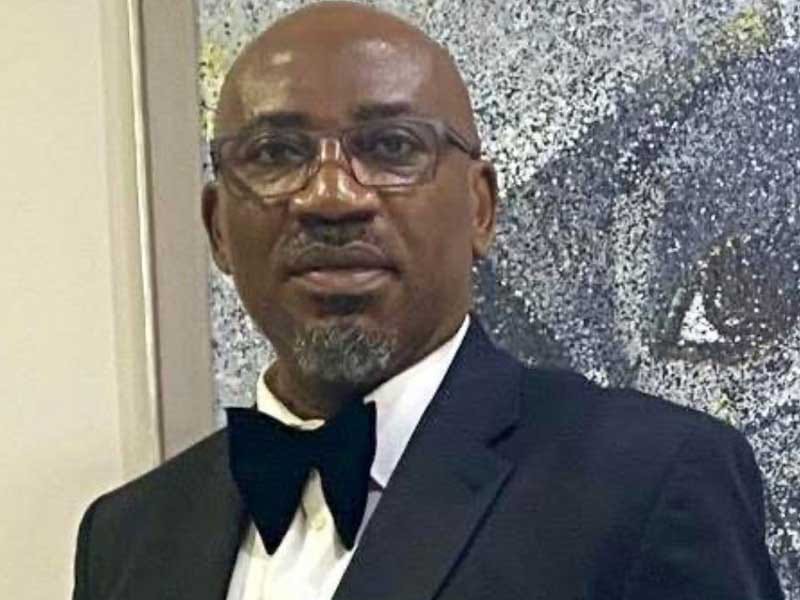
Ugo Inyama calls for transparent result transmission, independent technical checks and clear procedures to protect public confidence in Nigeria’s electoral process.
As Nigeria prepares for the 2027 general elections, public attention is turning to a critical question: how can voters verify that the results announced at polling units are accurately reflected in the final outcome?
In an opinion article published by THISDAY, titled “INEC 2027: What Happens After We Vote?”, writer Ugo Inyama has urged the Independent National Electoral Commission (INEC) to strengthen electoral transparency by ensuring that polling unit results can be tracked throughout the collation process.
Inyama argued that Nigerians who endure long queues and difficult conditions to cast their votes deserve a clear account of what happens to their ballots after counting is completed.
He noted that uncertainty often arises between the announcement of polling unit results and the final declaration of winners, creating room for suspicion, disputes and allegations of manipulation.
Lessons from the 2023 Elections
The writer recalled the expectations surrounding the introduction of the Bimodal Voter Accreditation System (BVAS) and the INEC Result Viewing Portal (IReV) ahead of the 2023 general elections.
According to him, delays in uploading presidential election results to the portal generated anxiety and weakened public confidence in the process.
He urged INEC to learn from that experience and ensure that its technological systems and operational procedures are adequately tested before the next elections.
Clear Rules for Electronic Transmission
Inyama stressed the need for transparent procedures governing electronic transmission, particularly when network failures or technical difficulties prevent results from being uploaded promptly.
He called on INEC to establish clear guidelines for documenting transmission failures, preserving signed result sheets and explaining delays to the public.
He also advocated independent technical assessments of the commission’s systems, early publication of contingency plans and opportunities for accredited observers and political parties to scrutinise preparations, subject to appropriate security safeguards.
The writer maintained that any correction to election results should be traceable, with records showing the original figures, the nature of the change and the reasons for it.
Accountability for Electoral Offences
Beyond technology, Inyama emphasised the importance of accountability and impartial enforcement of electoral rules.
He argued that electoral officials must apply the same standards regardless of which political party or candidate stands to benefit from a decision.
He also called for consistent action against vote buying, stressing that accountability should extend beyond voters who accept inducements to include those who finance and organise the practice.
According to the writer, political parties must demonstrate consistency by accepting transparent electoral outcomes, including defeats, rather than supporting transparency only when it favours them.
Restoring Public Confidence
Inyama maintained that although the courts remain essential for resolving election disputes, voters should not have to depend on lengthy litigation to understand how polling unit results translate into final declarations.
He urged INEC to provide timely updates whenever technical problems arise, identify affected locations and explain the steps being taken to resolve them.
The central message of his article is that electoral credibility depends not only on conducting elections but also on making the process transparent and verifiable from the polling unit to the final declaration.
As preparations for the 2027 elections continue, the challenge for INEC will be to ensure that technology, clear procedures and institutional accountability work together to protect the integrity of the vote and strengthen public trust.


“The Nigeria Airways Mess Was Not Of Obasanjo’s Making” — Fani-Kayode Defends 2004 Liquidation, Says Airline Was Already Ruined By 1999

2027: Don’t Vote For Someone Who Celebrates Birthdays In IDP Camps Because He Wants To Be President – Wike

“The Two-Week Suspension Is To Allow Government Honour Its Commitments” — Nasarawa JUSUN Temporarily Ends One-Month Strike

Dozens of Boko Haram Fighters Reportedly Sighted on Motorbikes as Four Adamawa Communities Face Imminent Threat

Peter Mbah Put N200 Billion For A New City With No Project Named Inside His Own Office And N14 Billion For His Own Vehicles

“I only have 60 days” — UK-based Nigerian woman seeks help after husband reportedly withdraws sponsorship

Lateef Sanni Handed N10.69 Billion Of Nigeria Stored Products Research Institute Money To One Businessman’s Family Of Companies

‘He is suffering from dementia’ — President under fire over ‘Bring Governor Tinubu back’ comment [VIDEO]

Enjoyment Master: How Finance Director Abba Yarema In Federal Ministry of Transport Took N223 Million For Himself

I Don’t Want Contract Or Money – Former Texas Mayor Gives Tinubu Conditions To Stop Criticising His Govt

Chukwuemeka Woke As NOSDRA DG Shared N805.78 Million Among Three Firms In A Single Day For One Hangar Project As Six Contractors Took The Bill To N1.04 Billion In Shame

Osun Amotekun arrests five suspects over alleged criminal activities

Tinubu Is An Absentee President, Leading An “F” Government – Okonkwo

2027: APC Presidential Campaign Council Visits Olubadan in Ibadan

Taraba Tragedy: Man Dies After Wife Allegedly Attacks Him During Domestic Dispute

EPL: Gary Neville predicts scoreline of Leeds vs Man Utd game

Real Madrid told to sell Vinicius over an unsuccessful partnership with Mbappe

Osun Police Arrest Lawyer, Four Others Over Murder of 14-Year-Old Boy

Tinubu nominates four INEC national commissioners, two RECs – The Witness Nigeria

“How do you explain?”- Man shares husband’s heartbreaking discovery about wife after 7 years

 News6 days ago
EXCLUSIVE: Yayi’s $1.3 Million Secret USA Mansion…How APC Ogun State Governorship Candidate Senator Adeola Who Audited Nigeria’s Books Buried a Fortune Abroad
- News5 days ago
How David Umahi Awarded Road Contracts To Two Different Firms With Exact Same Amount of ₦350.6 Million Road Bids Despite Their Ineligibility
- Politics6 days ago
All The Grammar By President Tinubu On His Achievements Have Not Reflected Positively On Nigerians – Okonkwo
- Politics5 days ago
THE WEEK: Fulani Militias Hack 12 Christians to Death in Benue, Five Others Die in Plateau, Niger Attacks
- News5 days ago
EXCLUSIVE: The AES Split Did Not Kill Nigeria’s Sahel Trade: 2025 Exports to Niger Rose to ₦131.77bn, Burkina Faso to ₦58.97bn, While Mali’s Collapsed to ₦8.05bn
- News6 days ago
Usmanu Danfodiyo University Sokoto Fails to Account for Over ₦9.3 Billion, Investigators Denied Access to Records
- News6 days ago
Federal College of Education Yola Under Provost Mohammed Degereji Bleeds ₦1.4 Billion in Contracts Awarded to Unqualified Firms
- Metro6 days ago
“If He Continues This Line, It Will Be Difficult For Him To Campaign In Rivers” — Wike Warns Amaechi Over Attacks On Tinubu