Politics
Trapped by Hospital Bills, 20 Survivors Find an American Lifeline in Nigeria

By Mike Odeh James
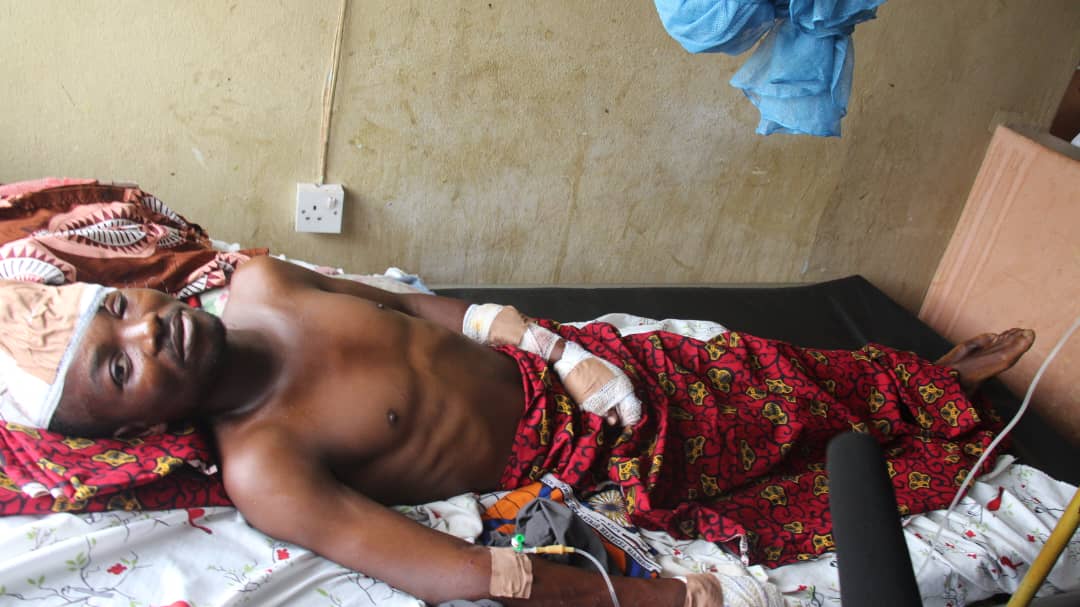
(Makurdi) Twenty survivors of a Fulani militia attack August 16, 2026 in Nigeria’s Benue State lay in rural hospitals with unpayable bills until an American charity settled them.
Survivors told TruthNigeria that fighters they identified as Fulani Ethnic Militia (FEM) struck Tse Yawe, Ikpuu (Kpuu), Ter Ukum Orkaa Kaave and Tse Kyaave and Mbaterem settlements in Ukum County — part of the Sankera axis of Benue’s northeastern senatorial district before dawn on that Sunday.
The death toll remains disputed. Police initially reported three deaths. Benue lawmaker Ezra Nyiyongo said more than 10 people were killed by attackers he believed had crossed from neighboring Taraba State. Federal lawmaker Solomon Wombo said 22 bodies had been recovered by day’s end. The discrepancy reflects the difficulty of counting the dead in remote country, where bodies are still being recovered and survivors scatter to several facilities.
No comparable official figure exists for the wounded. But admission records reviewed by TruthNigeria at three facilities identified 20 injured survivors under treatment around Zaki-Biam, the Ukum County headquarters, and Kyado, a farming town deeper into forested country.
That list brought Judd Saul and Equipping the Persecuted (ETP), a U.S.-based humanitarian organization, to their bedsides on August 19, 2026.
A Lifeline at Zaki-Biam
At St. Anthony’s Hospital in Zaki-Biam, ETP settled the outstanding bills of eight victims. Two had each lost a hand to machetes. A young woman was recovering from her own wounds while grieving her father and younger brother, both killed in the raid.
The team gave additional cash to the most severely wounded for continued recovery, and helped the family of the late James Utsev obtain a casket so burial could proceed. For families already facing burned homes, lost farms and displacement, the hospital bill had become a second penalty.
28 Kilometers Into the Forest
The same day, the mission drove roughly 28 kilometers (17 miles) into the forested Kyado area to Tyav Medicare Services, where administrator Dr. Tyav Terlumun’s patient list accounted for 10 more victims whose bills ETP paid. Two had lost both hands to machetes — injuries that permanently end a farmer’s ability to work land and feed his household.
At the same facility, a young girl medically cleared for discharge was still on the ward because her family could not settle the bill. ETP paid for it, and she went home.
At Erdoo Clinic, also in Kyado, the organization covered the last two patients: an 80-year-old woman and her 32-year-old son. The three facilities together accounted for 20 survivors whose bills were cleared.
A Strained Healthcare System
Saul’s intervention landed in a health system already thinned by wider funding shifts. Terver Samuel, director of Tyav Medical Centre in Kyado, said the ETP payments came at the right time and commended Saul, adding that his facility still faces large challenges and is appealing for further support.
Samuel said the 2025 suspension and restructuring of USAID assistance had cost more than money – disrupting supplies of medicines, laboratory services, health-worker support, disease surveillance and patient-data systems.
But his testimony also marks the limits of humanitarian substitution. A private organization can pay a patient’s bill. It cannot replace a national healthcare system, rebuild destroyed communities, or provide the security displaced families need to go home.
Where Policy Meets a Hospital Ledger
Washington has announced broader health- and religious‑freedom programs for Nigeria, but those multiyear, institution‑level commitments do not reach individual survivors in the moment. In Mbaterem the distinction is concrete: the wounded needed cash for hospital bills, and they needed it on August 19, 2026.
Franc Utoo, an official of Equipping the Persecuted and a U.S.-based Nigerian attorney, said displaced families across Benue remain in camps with no plan to return them home.
“The Benue state government has done nothing to alleviate their plight,” Utoo said. “It is not even considering relocating them back to their ancestral lands. It is thinking of giving lands to Fulani herders for ranching.”
Utoo said ETP would continue working in Benue for the foreseeable future, and called on President Bola Tinubu to reject cattle ranches and grazing reserves in the Middle Belt.
Mike Odeh James is a Senior Reporter at TruthNigeria and winner of the 2026 HART Prize for Human Rights Journalism.
Related


“The bullet struck exactly where she was sleeping” – Nigerian doctor recalls sister’s miraculous escape from death

Financial Mismanagement Rocks Federal College of Education, Yola, as SecretsReporters Uncovers ₦38.07m Worth of Financial Irregularities – Secrets Reporters Nigeria

“Stop Making False, Defamatory Statements About Me And My Family” — Sheggz Reportedly Serves Bella Okagbue Cease-And-Desist Notice Amid Messy Breakup

“Tinubu Names Yari DG, Uzodimma Secretary Of 2027 APC Presidential Campaign Council” — Akpabio, Gbajabiamila, Oshiomhole Get Key Roles

“Is This What Lagos Housing Crisis Has Become?” — Viral Video Of People Living Under Flyover Sparks Outrage, Disbelief

“I hope she won’t end up paying” – Phyna reacts to Sheggz’s legal action, asks fans to pray for Bella

How Obasanjo Considered Abandoning Second-Term Bid After South African President Got Wind Of Coup Plot – Donald Duke

“NDLEA Asks Court To Deny Bail To Three Mexicans, Seven Nigerians In ₦480bn Meth Lab Case” — Alleges Flight Risk

“Protect Your Sources And Methods, But Do Not Protect The Truth From Nigerians” — Atiku Tells FBI Over Tinubu Records

“About 40 Feared Dead As Boat Carrying Farmers Capsizes In Sokoto” — Six Rescued, Search Continues For Missing Passengers

Dutch broadcaster to boycott Eurovision for a second year, calling it a 'platform for division'

Adult, betting, AI websites dominate Nigerian web traffic in July – Report

Police nab 68, 70-year-old men over attempted assault of 12-year-old girl

APC Campaign Council: Edu, Olejeme Get Key Roles Despite Corruption Cases

NUPENG Faults Atiku’s Promise to Restore Petrol Subsidy

Atiku’s position on subsidy puts Tinubu under pressure – ADC chieftain

“Okpebholo Signs Edo Judiciary, Assembly Financial Autonomy Bills Despite JUSUN Protest” — Capital Funds Return To Executive Control

I even sacrificed my beard

[BREAKING NEWS]: NBA UNDER FIRE AS CRIMINAL DISCHARGE TURNS INTO PRISON SENTENCE

Bandits attack palace, kill district head in Niger

 Politics19 hours ago
How Obasanjo Considered Abandoning Second-Term Bid After South African President Got Wind Of Coup Plot – Donald Duke
- News14 hours ago
NBET Exposed: ₦259m Unrecovered, $69.3m Power Debt, Missing Vehicles as Agency Operated Without Audited Accounts – Secrets Reporters Nigeria
- Entertainment16 hours ago
“My brother Davido, I love you” — Gov. Okpebholo’s aide who banned Davido from entering Edo apologises
- News12 hours ago
Morning recap: KWAM1 breaks down in tears over Ogogo’s death, govs face questions as FAAC payouts hit N47tn, other top stories
- Entertainment6 hours ago
“A governor once gave Wizkid a bag full of dollars” – Kizz Daniel’s bouncer reveals what singer allegedly did next
- Politics7 hours ago
‘It Is A Disgrace Tinubu Doesn’t Trust Anyone’ – Melaye Slams President’s Self-Appointment As Campaign Chairman
- Viral11 hours ago
Hon Ereyitomi Congratulates Chief Ayiri Emami, Stella Okotete on APC Presidential Campaign Council Appointments
- Viral15 hours ago
“I have been chilling with my girls since morning” — Woman shows off impressive eggs from her poultry farm