Viral
NPERA Begins Operations as Nigeria’s New Port Economic Regulator

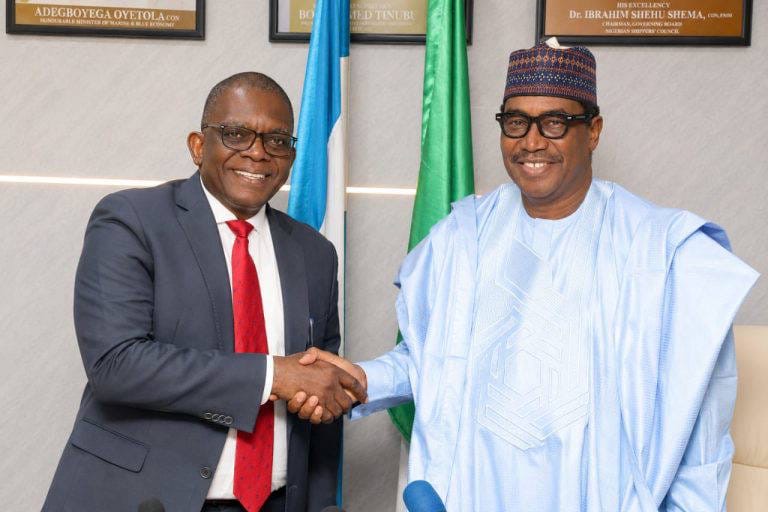
The Nigeria Ports Economic Regulatory Agency (NPERA) has officially commenced operations, marking a major shift in the regulation of Nigeria’s port economy.
The agency was established under the Nigeria Ports Economic Regulatory Agency Act, 2026, following President Bola Ahmed Tinubu’s assent to the legislation. NPERA is now responsible for the economic regulation of the country’s ports, with a mandate to promote transparency, competition, efficiency, and predictability.
Speaking at the commencement of operations, Chairman of the NPERA Governing Board, Dr. Ibrahim Shema, described the new agency as a fundamental reform of Nigeria’s port governance system.
NPERA will oversee areas including:
Port tariffs and charges
Licensing and service standards
Fair competition
Commercial dispute resolution
Trade facilitation
Protection of port users
Shema clarified that NPERA will not compete with the Nigerian Ports Authority (NPA), which will continue to handle port infrastructure and its landlord functions. Instead, the two institutions are expected to operate within clearly defined statutory responsibilities.
The agency identified transparency, fairness, predictability, efficiency, and accountability as the five principles guiding its regulatory activities.
NPERA also plans to expand the use of digital platforms for licensing, tariff administration, regulatory monitoring, compliance, and stakeholder engagement. The agency said this should help reduce unnecessary regulatory delays and improve cargo movement.
Executive Secretary and CEO of NPERA, Dr. Pius Akutah, expressed confidence that the new regulatory framework would significantly clarify the business environment within Nigeria’s ports over the next one to two years.
The transition from the Nigerian Shippers’ Council, which previously served as the interim port economic regulator, is expected to be orderly and minimally disruptive.
The commencement of NPERA represents a significant change in Nigeria’s port governance structure, with economic regulation now separated from infrastructure management. Its ultimate success, however, will depend on whether it can translate the new legal framework into faster cargo clearance, fairer charges, stronger competition, improved investment confidence, and greater efficiency across Nigeria’s ports.


Exclusive: Convicted Internet Fraudster Olalekan Ponle Alias Woodberry, Has His Fort Dix Prison Petition Thrown Out By A New Jersey Federal Court Because He Did Not Pay The $5 Filing Fee

SPECIAL REPORT: Tinubu’s Favourite Country France’s Carrefour Teams Up With Wike’s Alleged Front Company Hypercity: Six Malls Rise Across Abuja In Five Months On A Grabbed Green Area, Seized AEPB Land And The Memorial Park Of The Utako Dead

National Water Resources Institute Under The Watch of Professor Emmanuel A. Adanu Fraudulently Spent ₦12 Million on IT Equipment Without NITDA Clearance

Ebola Outbreak: Bayelsa Health Commissioner Inaugurates Ebola Incidence Management Team, Urges Residents To Observe Safety Measures

Health workers’ union mobilises members for possible nationwide strike over unmet demands – The Witness Nigeria

UBA begins contempt proceedings against WEMPCO directors over ‘disobidence’ of court order – The Witness Nigeria

UBA secures interim asset freeze against Vitol SA over $242m petroleum products dispute – The Witness Nigeria

Disobedient Boys: Despite Arresting Drivers For Not Having Car Insurance , Nigeria Police Refused To Insure Its Own 41 Vehicles Worth ₦3.2 Billion And Aircraft

National Council On Climate Change Records ₦460 Million Financial Irregularities Under Salisu Dahiru’s Tenure

“Let Him Go To Court And Defend Himself” — Critics Fault Rivers Lawyers’ Defence Of Jordan Wike Over $2.1m Dispute

‘It Is Filled With Content Creators’ – Presidency Mocks Peter Obi, NDC Over Campaign Council List

2026 U-17 WWC: Eight countries eliminated from competition

‘I Will Not Slap Wike’s Son, Or Kick Seyi Out’ – Fayose Insists Tinubu Must Go Despite Son’s Visit

Nigeria still work in progress despite Tinubu’s reforms – Uzodimma

Criminal Syndicate Of Six Websites Stole 1,406 Secrets Reporters Investigations And Sold Google Ads On Them: NaijaOnPoint Took 475, NewsNGR 363, Its Nigerian Twin 271, A Fake ThisDay 148, NGProbe 133 And NaijaOnPoint Nigeria 16, All Hiding Behind Phantom Companies, A Southampton Guest House Address And Streets That Exist Only In New York

LaLiga: Mourinho wins first El Clasico against Barcelona after Real Madrid return

2027: ‘Tinubu Is Sick, Needs Medical Care Not Campaign’ – Paul Ibe

Ebola: FG tracks 53 contacts, approves N100,000 weekly support for victims

‘Most people in public office today should be in prison’ – Ex-INEC Commissioner Mike Igini

‘Content Creators’ – Presidency Mocks NDC Campaign Council List

 Politics6 days ago
THE WEEK: Islamist Jihadists Burn Evangelist Alive in Adamawa, Kidnap Catholic Priest in Benue, Strike Bases
- Metro5 days ago
“Millions Allegedly Collected For Undelivered Projects” — EFCC Arrests Innocent Ezuma Over $120m Ukrainian Investor Fraud
- News3 days ago
Akwa Ibom Governor Umo Eno Spent N424.9 Billion In Six Months Unaccounted For Even When He Intends To Waste N10 Billion For Arise Palm Resort And N2.6 Billion For His Trip Round The World
- Metro3 days ago
Security Tightened In Kaduna Ahead Of Tinubu’s 2027 Campaign Flag-Off — Operatives Guard Posters, Billboards
- Politics6 days ago
APC Offering Bribes To Our Candidates To Defect – NDC
- Politics5 days ago
We Will Fling The Country Into Political Crisis – Ex-NAHCON Chairman Warns Against Denying Tinubu Second Term
- Politics5 days ago
Nigeria Arrests Five in Abduction of National Service Candidates, but Prosecutors Face Evidence Challenge
- Metro5 days ago
“His Tenure Remains Subsisting Till 2028” — WAMELA Petitions CCB To Probe Uzodimma’s 2027 Senate Ambition Over Alleged Conflict Of Interest