Politics
Nigeria Food Inflation Rises…

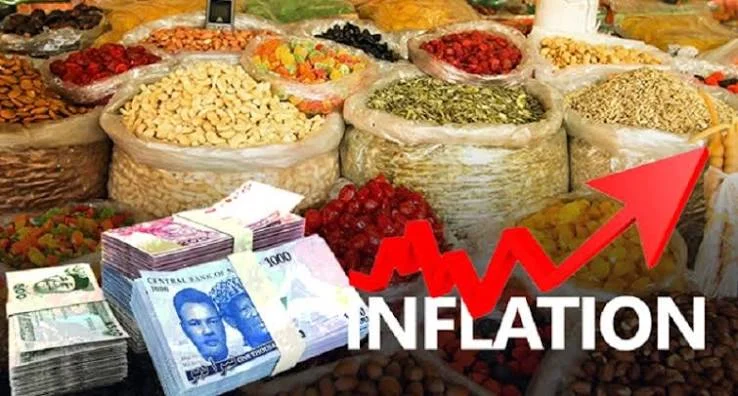
Nigeria’s headline inflation rate fell to 15.43 percent in July 2026 from 15.91 percent in June, even as food inflation surged sharply during the month, according to the latest data released by the National Bureau of Statistics.
The NBS disclosed the figures on Monday, showing that headline inflation declined by 0.48 percentage points month-on-month in July.
However, the moderation in overall inflation was accompanied by a significant increase in food inflation, which rose to 20.31 percent in July from 17.52 percent recorded in June.
The 2.79 percentage-point increase in food inflation indicates that the cost of food continued to rise at a significantly faster pace than the overall inflation rate, putting additional pressure on Nigerian households.
The contrasting movements in headline and food inflation present a mixed picture for policymakers, as the decline in overall inflation suggests some moderation in broader price pressures, while the sharp increase in food prices points to persistent cost-of-living challenges.
Food accounts for a substantial share of household expenditure in Nigeria, meaning that rising food prices are likely to continue having a disproportionate impact on low- and middle-income households.
The latest figures also come amid close monitoring of inflationary developments by the Central Bank of Nigeria as it weighs the pace and sustainability of monetary policy easing.
Inflationary pressures had begun picking up again from March following fuel price increases linked to the conflict involving the United States, Israel and Iran, bringing an end to an 11-month period of easing price pressures.
The renewed pressure contributed to the CBN adopting a more cautious stance on interest rate cuts as policymakers assessed the impact of geopolitical tensions, energy costs and other domestic factors on inflation.
The July figures are therefore expected to provide an important signal ahead of the next meeting of the Committee, particularly as headline and food inflation moved in opposite directions.
While the decline in Monetary Policyheadline inflation could strengthen the case for continued moderation in monetary policy, the acceleration in food inflation could constrain the room for aggressive rate cuts amid concerns about underlying inflationary pressures.
For consumers, the decline in headline inflation may not immediately translate into cheaper goods and services.
Rather, the sharp increase in food inflation suggests that households continue to face significant pressure when purchasing basic commodities, even as the broader inflation rate moderates.
The development comes against the backdrop of major economic reforms implemented by the Federal Government, including changes to the fuel subsidy regime and foreign exchange market.
Read also:
Exchange-rate movements, transportation costs, energy prices, agricultural output and supply-chain disruptions have continued to influence the prices of goods and services across the country.
The latest data also highlights the difference between the statistical moderation in headline inflation and the inflation experience of ordinary Nigerians, particularly households that devote a large proportion of their income to food.
Analysts and policymakers will be watching whether the rise in food inflation is temporary or signals a renewed and sustained increase in food-price pressures.
A sustained reduction in inflation is likely to depend not only on monetary policy but also on improvements in domestic food production, transportation networks, energy supply, storage facilities and distribution systems.
The NBS data showed that headline inflation stood at 15.43 per cent in July, down from 15.91 per cent in June, while food inflation increased sharply from 17.52 per cent to 20.31 per cent over the same period.
The figures suggest that although Nigeria’s overall inflation rate remained on a downward trajectory in July, the sharp acceleration in food prices presents a major challenge for policymakers and households already grappling with elevated living costs.


Women leaders seek more govt support for farming, action on child trafficking, early marriage in Niger

Scammers Hijack Car Dealer’s Identity, Forge CAC Certificate Photo, and Open Fraudulent Moniepoint Account, Exposing Deep Flaws in Fintech KYC – Secrets Reporters Nigeria

“My flight was cancelled…” – Woman recounts painful betrayal after finding husband in bed with childhood friend

FAAN Spent N158.59bn against N98.39bn Limit, Audit Demands N60.2bn Refund – Secrets Reporters Nigeria

₦367.99m in Financial Irregularities Uncovered in FCT Social Development Secretariat Under the Leadership of Hajiya Safiya Umar – Secrets Reporters Nigeria

Federal Energy Research Centre at UNN Ran Up Nearly ₦686 Million in Unauthorised Spending, Doubtful Payments and Audit Bypasses – Secrets Reporters Nigeria

Osun 2026: INEC Under Scrutiny As Money Politics, Violence, Security Threats Test Nigeria’s Road To 2027

Investigation Reveals NOTAP Channelled ₦138.8 Million Public Revenue into Staff Welfare, Sponsored Non-Staff Weddings and Approved Unauthorised Foreign Trips in Questionable Transactions – Secrets Reporters Nigeria

“Adeleke’s Victory Shows Our Votes Can End Economic Hardship” — Peter Obi Urges Nigerians To Defend Ballots In 2027

“The most powerful person in a house is the housemaid” — Man questions billionaire’s maid’s ₦180K salary

PBAT Door-To-Door Movement To Launch 3,000-Man Posterity…

INEC To Deploy 1.4m Ad-hoc Staff For 2027 Elections – Amupitan

CBN Says Foreign Reserves Rise Above $52.5bn

Edo Assembly sets up committee to probe ex-Speaker, orders return of vehicles, others

Osun Election: Dangote, Akpabio called me to delete my tweet – Davido

Actress Phyllida Law, mother of Emma Thompson, dies aged 94

FG Reaffirms Commitment To Secure, Credible 2027 Elections

Chelsea confirm name change ahead of new season

Dangote Refinery Secures $1bn Backing Ahead Of Planned IPO

NSEMA raises alarm over Kangimi Dam cracks, demands urgent action

 News23 hours ago
₦367.99m in Financial Irregularities Uncovered in FCT Social Development Secretariat Under the Leadership of Hajiya Safiya Umar – Secrets Reporters Nigeria
- News24 hours ago
Investigation Reveals NOTAP Channelled ₦138.8 Million Public Revenue into Staff Welfare, Sponsored Non-Staff Weddings and Approved Unauthorised Foreign Trips in Questionable Transactions – Secrets Reporters Nigeria
 News22 hours ago
₦35.46m Financial Irregularities Mars Dr. Aishatu Abubakar-Baju (AIG), Veterinary Council of Nigeria Leadership – Secrets Reporters Nigeria
- News10 hours ago
Nigeria’s Atomic Energy Commission Paid ₦34m Without Documents, Lost Track of Store Items and Let a Former Chairman Drive Off With Official Toyota Camry – Secrets Reporters Nigeria

 World16 hours ago
Iranian Army Chief Offers $30,000 Bounty for Killing or Capturing US Soldiers, Doubles Reward for Women
- Politics8 hours ago
Ministers, Governors, Lawmakers You Rely On Are Not Working In Your Best Interest – Jonathan Vatsa Warns Tinubu
- Entertainment8 hours ago
“If you can’t pay for your flight ticket and don’t have a job, don’t marry” — Female pastor advises ladies
- Entertainment6 hours ago
“She stole his clothes and ran” — Lady recounts how student exposed lecturer after he demanded an affair for better grades