News
Musawa mourns Ogogo, hails his contribution to Yoruba cinema

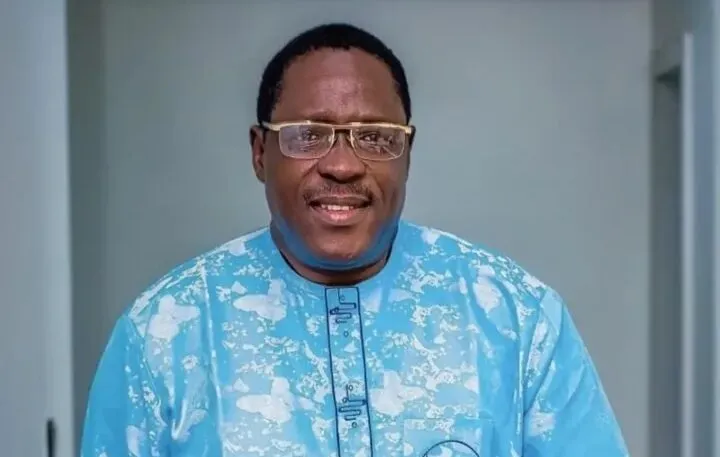
The Minister of Art, Culture, Tourism and the Creative Economy, Hannatu Musawa, has paid tribute to veteran Nollywood actor, Taiwo Hassan, popularly known as ‘Ogogo’, describing him as a custodian of Nigerian culture and a proud voice of Yoruba storytelling.
Musawa expressed her grief in a statement issued in the early hours of Monday by her Special Adviser on Media and Publicity, Dr Nneka Anibeze, following the death of the veteran actor.
Ogogo, a prominent figure in the Yoruba film industry, died on Sunday, August 23, 2026, at the age of 66, following a battle with stage-four cancer.
His death was announced after his health reportedly deteriorated in recent weeks.
In the days preceding his death, the actor’s family disclosed that he was battling advanced cancer and appealed for medical assistance as they sought further treatment options.
Reports indicated that his daughters had sought medical help for their father, with the family revealing that doctors had informed them that chemotherapy could no longer be administered because of the advanced stage of his condition.
Ogogo was born in Ilaro, Ogun State, and became one of the recognisable faces of Yoruba-language cinema.
He worked as an actor, filmmaker, producer and screenwriter, building a career that spanned several decades.
His contribution to Yoruba cinema included appearances in popular productions such as Eegun Mogaji and Igbekun. He was particularly known for his commanding screen presence and roles that reflected Yoruba culture and storytelling.
Reacting to his death, Musawa described Ogogo as a towering figure in the Nigerian film industry whose discipline, talent and dedication helped shape Nollywood and inspire generations of actors, directors and producers.
“Ogogo was not just a star on our screens. He was a custodian of our culture, a proud voice of Yoruba storytelling, and a man who dedicated his life to building the Nigerian creative industry,” Musawa said.
“For many years, he made us laugh, made us think, and made us proud of who we are as Nigerians.”
The minister said Ogogo’s contribution went beyond entertainment, noting that he helped take Yoruba culture and cinema to millions of people across Nigeria and beyond.
She said his works celebrated Nigeria’s heritage and projected the richness of its traditions to the world.
“He brought Yoruba culture and cinema to millions across Nigeria and beyond, and he was a source of pride for the Nigerian creative economy,” Musawa stated.
“His works celebrated our heritage and projected the richness of our traditions to the world. The industry has lost a giant, but his legacy will continue to live on through the countless lives he touched and the films he left behind.”
The minister extended her condolences to Hassan’s family, colleagues in Nollywood, fans and the people of Ogun State on behalf of the ministry, the creative community and stakeholders across the arts and culture sector.
She also prayed for the family and members of the film industry to have the fortitude to bear the loss and for the soul of the late actor to rest in perfect peace.
Ogogo’s death has sparked mourning across the Nigerian entertainment industry, particularly among practitioners and audiences of Yoruba cinema, where he established himself as one of its prominent practitioners.
For several decades, the actor used film to tell stories rooted in Yoruba culture, helping to preserve indigenous narratives and traditions while taking them to wider Nigerian and international audiences.
His career also reflected the evolution of Yoruba cinema, from traditional home-video productions to the modern Nigerian film industry.
With his death, the creative industry has lost an actor whose career was closely associated with Yoruba storytelling and the projection of Nigerian cultural identity through film.
For Musawa, however, Hassan’s cultural contribution will outlive his passing, with the minister describing his body of work as a lasting legacy for the Nigerian creative economy.






EPL: ‘It showed today’ – Owen Hargreaves pinpoints major issue with Man United after Hull City defeat

Financial Mismanagement Rocks Federal College of Education, Yola, as SecretsReporters Uncovers ₦38.07m Worth of Financial Irregularities – Secrets Reporters Nigeria

JUST IN: Bello, They Should Ask Him What Was He Trying To Achieve Burning Cap With Symbol Of President _ Jibrin

“The bullet struck exactly where she was sleeping” – Nigerian doctor recalls sister’s miraculous escape from death

“Tinubu Names Yari DG, Uzodimma Secretary Of 2027 APC Presidential Campaign Council” — Akpabio, Gbajabiamila, Oshiomhole Get Key Roles

“Stop Making False, Defamatory Statements About Me And My Family” — Sheggz Reportedly Serves Bella Okagbue Cease-And-Desist Notice Amid Messy Breakup

“Is This What Lagos Housing Crisis Has Become?” — Viral Video Of People Living Under Flyover Sparks Outrage, Disbelief

“I hope she won’t end up paying” – Phyna reacts to Sheggz’s legal action, asks fans to pray for Bella

Tinubu unveils APC 2027 presidential campaign council, appoints Yari DG

Death toll rises to 65 in Sokoto boat mishap

Priscilla Ojo celebrates son’s first birthday

Priyanka Chopra reveals what has kept her marriage to Nick Jonas strong after 8 years

Operation Hadin Kai Air Strikes Destroy Two ISWAP Gun Trucks In Borno

Atiku: Fuel subsidy taking a toll on Nigerians – Ologbondiyan

7 Dead, 2 Injured In Lagos-Ibadan Expressway Crash

2027: APC campaign council member vows to mobilise women for Tinubu

Europe’s Top Clubs Begin League Campaigns With Mixed Results

Man jailed 12 years for rape, sexual assault while on bail

TUC, NLC picket Abuja Continental Hotel over ‘anti-labour’ practices

15 Steps JAMB Candidates Can Follow To Upload O’Level Results From Home

 News16 hours ago
Financial Mismanagement Rocks Federal College of Education, Yola, as SecretsReporters Uncovers ₦38.07m Worth of Financial Irregularities – Secrets Reporters Nigeria
- Entertainment24 hours ago
“The bullet struck exactly where she was sleeping” – Nigerian doctor recalls sister’s miraculous escape from death
- Metro18 hours ago
“Tinubu Names Yari DG, Uzodimma Secretary Of 2027 APC Presidential Campaign Council” — Akpabio, Gbajabiamila, Oshiomhole Get Key Roles
- Metro18 hours ago
“Stop Making False, Defamatory Statements About Me And My Family” — Sheggz Reportedly Serves Bella Okagbue Cease-And-Desist Notice Amid Messy Breakup
- Metro18 hours ago
“Is This What Lagos Housing Crisis Has Become?” — Viral Video Of People Living Under Flyover Sparks Outrage, Disbelief
- Entertainment15 hours ago
“I hope she won’t end up paying” – Phyna reacts to Sheggz’s legal action, asks fans to pray for Bella
- Metro18 hours ago
“Protect Your Sources And Methods, But Do Not Protect The Truth From Nigerians” — Atiku Tells FBI Over Tinubu Records
- Metro14 hours ago
“NDLEA Asks Court To Deny Bail To Three Mexicans, Seven Nigerians In ₦480bn Meth Lab Case” — Alleges Flight Risk