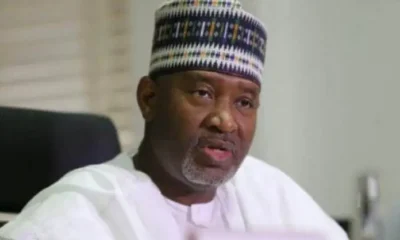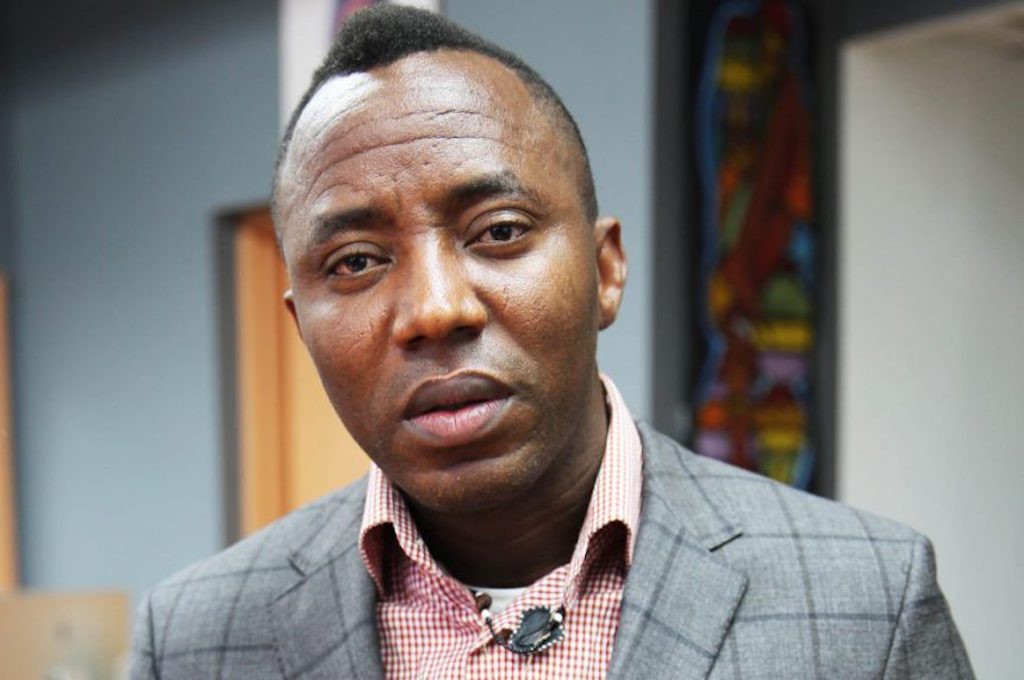
Nigerian activist Omoyele Sowore has rejected former Labour Party vice presidential candidate Yusuf Datti Baba-Ahmed’s description of former military ruler Ibrahim Babangida.
He dismissed Baba-Ahmed’s claim that Babangida is a revered former Nigerian leader.
NEWSNGR reports that Sowore shared his reservations in a statement titled “My Response To Mallam Yusuf Datti Baba-Ahmed Over My Comments On Ex-Nigerian Military Dictator Ibrahim Badamosi Babangida At 85: Compassion Does Not Require Historical Amnesia.”
He argued that Nigerians have a right to interrogate Babangida’s record, adding that his criticism was not based on the former military leader’s age but on decisions taken during his years in power and their impact on Nigeria.
“I wish no illness upon Ibrahim Babangida, but I will not participate in rewriting his record simply because he has grown old,” Sowore said.
He insisted that compassion for an elderly former ruler should not require Nigerians to forget the consequences of his decisions.
“Growing old is a privilege. It is not immunity from history,” he said.
The activist pointed to the annulment of the June 12, 1993 presidential election, which Babangida has acknowledged was won by MKO Abiola, as part of the former military ruler’s record that Nigerians should continue to examine.
“Democracy means respecting citizens’ votes and their right to choose their leaders,” he said.
Sowore also criticised what he described as excessive deference to Nigeria’s political elite, citing the use of titles such as “Uncle”, “Daddy”, “Leader”, “Baba” and “Your Excellency”.
“A President is a public servant, not my uncle,” he said.
He maintained that his criticism of Babangida was about accountability, not personal hatred.
“My politics has never been about hatred of individuals. It is about systems. It is about accountability. It is about institutions that work for all citizens regardless of class or social status,” he said.
He also rejected Baba-Ahmed’s suggestion that people like him seeking to lead Nigeria are “the real danger”.
“No, Datti,” Sowore said. “The danger to Nigeria is not citizens who refuse to worship former wicked rulers.”
He said the greater danger was a political culture that “rehabilitates failure, protects privilege, and demands silence from anyone who refuses to participate.”