Politics
FG Saves ₦15.8 Trillion From Subsidies In 30 Months, Uses Money

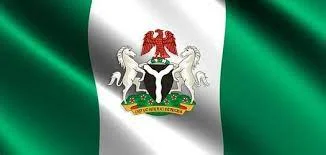
The Federal Government of Nigeria has disclosed that the removal of petrol subsidy and foreign exchange (FX) market reforms generated ₦15.8 trillion in additional resources for the Federation between June 2023 and December 2025. Finance Minister and Coordinating Minister of the Economy Taiwo Oyedele made the disclosure on Wednesday, August 19, 2026, while presenting the government’s Nigeria Reform Scorecard at a media briefing titled “The Benefits, Costs and Harm Prevented.”
Oyedele explained that the ₦15.8 trillion figure covers roughly 30 months of reforms under President Bola Tinubu’s administration. Of this amount, the Federal Government received ₦5.4 trillion (approximately 34 percent), while states and local governments collectively received ₦10.4 trillion through Federation Account Allocation Committee (FAAC) shares. More detailed breakdowns indicate states received about ₦6.5 trillion (41 percent) and local governments about ₦3.9 trillion (24 percent).
How the Savings Materialised
The minister stressed that the resources did not appear as a distinct “subsidy savings” line item in the Federation Account. Instead, they showed up as higher revenue collections. With the naira’s value adjusting after FX unification and flotation, dollar-denominated duties, taxes (including Petroleum Profit Tax), and other receipts translated into substantially larger naira amounts. For example, import duties previously calculated at around ₦460 to the dollar rose significantly at rates exceeding ₦1,000.
Oyedele noted that the gains stemmed not only from ending the petrol subsidy but also from removing an implicit FX subsidy that had primarily benefited rent-seekers rather than ordinary citizens or manufacturers.
Additional Resources and Overall Picture
Beyond the subsidy-related share, the Federal Government recorded ₦3.1 trillion in incremental independent revenue (mainly remittances from government-owned entities) and ₦11.9 trillion in incremental borrowing during the period. Combined, these sources provided the Federal Government with about ₦20.4 trillion in incremental resources.
Officials emphasised that borrowing would have been substantially higher, and more destabilising without the fiscal space created by the reforms. Of the ₦20.4 trillion, roughly 58 percent came from borrowing, 27 percent from subsidy-related savings, and 15 percent from other revenue.
How the Money Was Used
These incremental resources, together with existing revenue, helped fund ₦30.64 trillion in additional expenditure pressures over the same period. The largest categories included:
Wage adjustments, minimum wage increases, and allowances for public servants: ₦9.39 trillion (nearly twice the Federal Government’s direct subsidy savings share).
External debt service (impact of naira depreciation on existing foreign-currency obligations): ₦9.37 trillion.
Strategic infrastructure development: approximately ₦6.5 trillion (or ₦6.47 trillion in some breakdowns).
Incremental electricity subsidy support: about ₦3.14 trillion.
Read also:
Smaller amounts went to domestic debt service linked to monetary policy rate increases, social welfare transfers, FCT development, the Ecological Fund, natural resource investments, and higher naira costs of other foreign obligations.
The government highlighted that strategic infrastructure spending supported major projects, including the Lagos–Calabar Coastal Highway and the Sokoto–Badagry Superhighway, among other transport, housing, agricultural, security, and related investments.
Oyedele underscored that the reforms did not create a large idle pool of cash for the Federal Government alone. Rather, they reduced a major fiscal burden, enabled higher allocations to subnational governments, supported wage increases that exceeded the FG’s subsidy share, met rising debt-service costs driven by exchange-rate movements, and channelled funds into infrastructure and social cushions. The administration also argued that the measures helped avert deeper crises, such as far higher petrol prices or widespread difficulties for states in meeting salary obligations.
The Federal Ministry of Finance released supporting figures and methodology in its Reform Scorecard and related presentations for public and independent scrutiny. The disclosures address long-standing public questions about the destination of subsidy-related resources since the policy changes announced in mid-2023.


Nigeria’s Atomic Energy Commission Paid ₦34m Without Documents, Lost Track of Store Items and Let a Former Chairman Drive Off With Official Toyota Camry – Secrets Reporters Nigeria

Ministers, Governors, Lawmakers You Rely On Are Not Working In Your Best Interest – Jonathan Vatsa Warns Tinubu

Vehicle in Custody of Ghanaian Government Authority Used in Reportedly Foiled Labone Bank Robbery as Ghana Police Face Mounting Questions Over Nigerian Involvement Narrative – Secrets Reporters Nigeria

₦35.46m Financial Irregularities Mars Dr. Aishatu Abubakar-Baju (AIG), Veterinary Council of Nigeria Leadership – Secrets Reporters Nigeria

Alleged drug trafficking: Tinubu joins US Justice Department’s request for 10-day delay in release of records

Satellite Town Development Department Abuja: Secrets Reporters Uncover ₦15.29m Financial Irregularities as Retired Officer Keeps Government Hilux – Secrets Reporters Nigeria

₦3.26bn in Revenue and Account Irregularities Uncovered Under Mr Abdullahi O. Attah as Chairman – Secrets Reporters Nigeria

“Your prayer point is different from mine” – Businessman says as he proudly flaunts his thriving business

“If you can’t pay for your flight ticket and don’t have a job, don’t marry” — Female pastor advises ladies

“He tried to lure me into having sex with him, but I refused” — Funke Etti recounts alleged ordeal with movie director

EPL: Emmanuel Petit names teams to finish top three this season

Japan Commits N20bn to Upgrade Nigeria’s Power Grid

Erin Patterson appeals 3 murder convictions in Australia over death cap mushroom lunch
EPL: Emmanuel Petit names teams to finish top three this season
EPL: Emmanuel Petit names teams to finish top three this season

Davido Denies Alleged Attack on Adeleke’s Convoy in Osogbo

Police arrest 40 suspects over robbery, kidnapping in Abuja

Land grabbing: Villagers urge Abia Govt to enforce court order, avert violence
Land grabbing: Villagers urge Abia Govt to enforce court order, avert violence

Togo Complete Comeback To Beat Nigeria 2-1 To African Beach

 Headlines21 hours ago
Alleged drug trafficking: Tinubu joins US Justice Department’s request for 10-day delay in release of records
- News21 hours ago
Satellite Town Development Department Abuja: Secrets Reporters Uncover ₦15.29m Financial Irregularities as Retired Officer Keeps Government Hilux – Secrets Reporters Nigeria
- News19 hours ago
₦3.26bn in Revenue and Account Irregularities Uncovered Under Mr Abdullahi O. Attah as Chairman – Secrets Reporters Nigeria
- Entertainment21 hours ago
“You’ll fly her in, lodge her and still give her ₦3m” – Lady questions men’s spending on women for sexual pleasure
- Headlines11 hours ago
EPL: ‘They’ve brought in some experienced players’ – Ian Wright names club to challenge Arsenal for title
- Viral23 hours ago
Bayelsa Assembly Approves Removal of Sagbama Council Chairman, Vice Chairman Over Alleged Gross Misconduct
- Metro17 hours ago
“You Can’t Answer ‘His Excellency’ Without Being An Excellent Person” — Peter Obi Says Nigerians Should Punish Breach Of Trust With Their Votes
- Metro17 hours ago
“Tinubu Meets EFCC Chairman Over Disposal Of Seized Houses” — Holds Closed-Door Talks With Akpabio, Oyetola, Idris, Doguwa Days After Osun Poll