News
FG Approves New Eastern, Western Electricity Grids to Curb Frequent Collapses

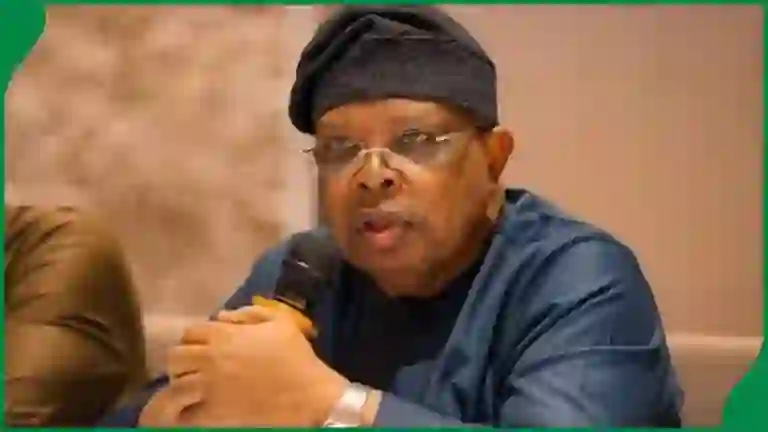
The Federal Government has approved plans to develop new eastern and western electricity grids as part of efforts to address the frequent collapse of Nigeria’s national power grid and improve electricity supply across the country.
The Minister of Power, Joseph Tegbe, disclosed this at an energy conference in Lagos, where he said the government was preparing to begin the procurement process for the projects.
According to the minister, Nigerians could begin to experience the benefits of the proposed grid expansion within the next two to three years.
He explained that the initiative forms part of the government’s broader strategy to strengthen the country’s electricity transmission infrastructure, improve operational efficiency and ensure a more reliable power supply.
Tegbe said the government had divided the country into three energy zones to identify areas requiring urgent intervention and determine how resources could be allocated effectively.
He noted that addressing electricity challenges in Lagos and along the Abuja corridors would resolve a significant portion of the country’s power transmission problems because of the importance of these areas to electricity demand and distribution.
The minister stressed that improving operations alone would not be enough without expanding and upgrading the national transmission network.
He said President Bola Tinubu had approved the commencement of the process to develop the eastern and western grids, adding that the government was currently working towards the procurement stage.
Tegbe also revealed that a nationwide technical audit of the electricity transmission infrastructure was underway to identify specific problems affecting the system.
According to him, the exercise would help the government determine whether particular locations require repairs to transformers, conductors, relays, insulators or transmission towers.
He explained that the government intended to complete the audit within a few weeks before moving ahead with interventions in areas identified as priorities.
The minister said the assessment was necessary to prevent resources from being wasted on repairs that do not address the actual causes of electricity transmission failures.
Tegbe further acknowledged that Nigeria’s electricity sector was facing longstanding infrastructure challenges inherited over several decades.
He said some of the transmission towers and power lines currently in use were constructed many years ago and had deteriorated over time.
The minister recalled visiting some transmission facilities and discovering equipment bearing the logo of the Electricity Corporation of Nigeria (ECN), an organisation that existed before the establishment of the National Electric Power Authority (NEPA).
According to him, the discovery highlighted the age of some of the country’s electricity infrastructure and the scale of investment required to modernise the sector.
He maintained that the government’s approach would focus on identifying the specific challenges affecting the transmission network and directing interventions towards the areas where they were most urgently needed.
The planned eastern and western grids, alongside the technical audit and targeted infrastructure repairs, are expected to form part of the government’s efforts to reduce grid disturbances and improve electricity transmission.
However, the projects are still at the preparatory stage, with the procurement process expected to precede implementation. The minister said the anticipated benefits would become more noticeable within two to three years.
READ ALSO:





“Bring Formal Complaints Over Omitted Candidates” — INEC To Announce Position On Supreme Court Electoral Act Judgment Today

Witness: Islamic Terror Group Threatened to Kill Oyo Schoolchildren Unless Government Freed 30 Members

Ossiomo Power institutes contempt proceedings against Chinese firm over alleged disobedience of court order

“If You See Something, Say Something” — NAFDAC Seizes Suspected Counterfeit Energy Drinks, Wine, Whisky, Equipment At Lagos Trade Fair Complex

APC names Wike, Soludo, Adeleke, Yobo in revised presidential campaign council list – The Witness Nigeria

Nigeria’s Minister of Agriculture Abubakar Kyari Paid N300 Million to Company That Does Not Exist on the Corporate Register

“We Must Allow The Evidence To Establish What Happened” — Mbah Seeks Impartial Investigation Into Attack On NDC Supporters

“It wasn’t Snapchat, TikTok or WhatsApp” – T Classic reveals shocking apps he caught his ex-girlfriend cheating on

Exclusive: How Premium Trust Bank MD Emefienim And Wife Priscilla Secretly Grabbed 38% of The Bank Through Their Marginal Energy SPV

“Follow this rich man” – Mother pressures daughter to marry her boss after 5 years with struggling boyfriend

Tinubu inaugurates campaign council, says governance won’t be sacrificed for electioneering

UCL: Top players go to Chelsea, Man City, Liverpool, Arsenal – Gullit pities Man United

2027: Tinubu afraid of campaign stress, will use governors to ‘cash out’ votes – Sam Amadi

Man Utd: How Alex Ferguson would’ve reacted to Lisandro Martinez’s outburst – Rio Ferdinand

2027: ‘Tinubu Appearance On Campaign Trail Will Be Met With Collective Booing, Public Anger’ – Adebayo

NAF Recovers More Wreckage From Crashed Aircraft In Ondo

OPay named Digital Bank and Financial Inclusion Leader at BAFI 2026

“I can’t take this anymore” — 27-year-old man breaks down in tears, says “I have nothing”

Call Him ‘Bola’ If You Like, He Is Still Nigeria’s President – Shettima Knocks Atiku

FG Approves New Eastern, Western Electricity Grids to Curb Frequent Collapses

 News4 days ago
EXCLUSIVE: Yayi’s $1.3 Million Secret USA Mansion…How APC Ogun State Governorship Candidate Senator Adeola Who Audited Nigeria’s Books Buried a Fortune Abroad
- News7 days ago
Academic Mafia: Federal Co-operative College Oji River Rector Jude Obidiegwu Paid 31 Companies N13.8 Billion for Roads, Hospitals and Markets While School Environment Rots Away
- News4 days ago
Usmanu Danfodiyo University Sokoto Fails to Account for Over ₦9.3 Billion, Investigators Denied Access to Records
- News4 days ago
Federal College of Education Yola Under Provost Mohammed Degereji Bleeds ₦1.4 Billion in Contracts Awarded to Unqualified Firms
- Politics4 days ago
All The Grammar By President Tinubu On His Achievements Have Not Reflected Positively On Nigerians – Okonkwo
- News3 days ago
How David Umahi Awarded Road Contracts To Two Different Firms With Exact Same Amount of ₦350.6 Million Road Bids Despite Their Ineligibility
- Politics3 days ago
THE WEEK: Fulani Militias Hack 12 Christians to Death in Benue, Five Others Die in Plateau, Niger Attacks
- Metro4 days ago
“If He Continues This Line, It Will Be Difficult For Him To Campaign In Rivers” — Wike Warns Amaechi Over Attacks On Tinubu