News
Private sector credit hits N83.43tn amid high interest rates

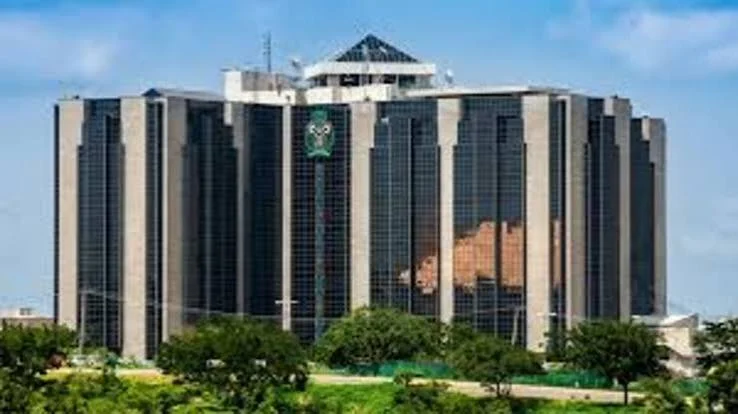
Nigeria’s private sector credit climbed to N83.43tn in July 2026, extending a steady rise in lending to businesses and other private-sector borrowers despite the Central Bank of Nigeria’s tight monetary policy stance.
Data from the CBN showed that private sector credit increased by 0.21 per cent between June and July, following a much stronger N2.22tn expansion in June.
The July figure was N6.70tn higher than the N76.72tn recorded a year earlier, representing an 8.74 per cent annual increase.
Over the four-month period from April to July, credit to the private sector rose by N2.84tn, from N80.59tn to N83.43tn.
The increase means lending to private sector operators has continued to expand even with the benchmark Monetary Policy Rate held at 26.50 per cent.
The CBN has maintained its restrictive monetary stance as part of efforts to contain inflation and preserve macroeconomic stability. Yet, the sustained rise in private sector credit indicates that demand for financing remains firm.
The pace of expansion, however, slowed considerably in July. After rising from N81.0tn in May to N83.26tn in June, credit added only N171.8 billion in the following month.
The latest figures also showed a contrasting movement in government borrowing.
Net domestic credit declined by N5.94tn, or 4.82 per cent, to N117.35tn in July from N123.29tn in June. Credit to the government similarly fell from N40.03tn to N33.92tn during the month.
The divergence suggests that while bank lending to the private sector continued to gain ground, government’s demand for domestic credit eased during the month.
However, the latest CBN data do not provide a sectoral breakdown of the July increase, making it difficult to determine whether the additional lending was concentrated in manufacturing, agriculture, trade, real estate or other sectors.
Earlier CBN data showed mixed lending trends across key sectors. By March 2026, credit to agriculture stood at N3.86tn, while lending to oil and gas and manufacturing had declined from their January levels. At the same time, credit to power and energy and real estate recorded increases.
The continued expansion in private-sector credit comes amid concerns over the high cost of borrowing. Private-sector groups have repeatedly warned that elevated interest rates could restrict access to finance and increase operating costs for businesses.
For businesses, the rise in credit could provide additional funding for working capital, investment and expansion, although the impact will depend largely on the cost, tenor and productive use of the loans.






You’ll get lawsuit – Abati, Rufai clash on live TV over comment against presidential candidate [VIDEO]

2027: Nigerians Would Have Known Him For Four Years – ADC Spokesperson Reveals How Atiku Will Defeat Tinubu

Electricity: Nigerian university campuses will be taken off national grid — Education Minister Alausa

Backlash as Governor Oborevwori Allegedly Distributes Billions to Council Chairmen, Vice, Councilors Amid Economic Hardship

Exclusive: How NSIA MD Aminu Umar-Sadiq Started Assets Construction Project With N363 Million And Jumped To N44.8 Billion In One Year – Part 1 – Secrets Reporters Nigeria

“My baby come use English explain give this people” – Hilarious moment Peller calls Jarvis to defend him during tiktok live dispute

Cash In Hand: The Multi Million Naira Olubunmi Tunji-Ojo Federal Ministry Of Interior Money Paid Directly To Individual Staff Accounts Without Vendors – Secrets Reporters Nigeria

“For over 30 years” – Lady who received ₦1M from Peller reveals amount she gave her mother for business support in 2024

“Politics Is My Business” — Ebonyi LG Chairman Threatens Political Opponents After Nwifuru Warns Chairmen Against Losing Their Councils

Nigerian Christians Warn of Political Exclusion as Nasarawa’s Ruling Party Selects All‑Muslim Slate for 2027

Transfer: Why PSG sold Barcola to Liverpool – Luis Enrique
Transfer: Why PSG sold Barcola to Liverpool – Luis Enrique
Transfer: Why PSG sold Barcola to Liverpool – Luis Enrique

NHRC X Account Hacked, Public Warned Against Crypto Posts

Opposition Candidates Have Chosen Atiku For 2027 Presidency – Okonkwo Reveals

Transfer: Arsenal confirm deal for De Almeida
Transfer: Arsenal confirm deal for De Almeida

Two Workers Rescued From Nepal Tunnel Nine Days After Flood

“11 years wasted in marriage; I need justice” – Lady cries out, appeals to VDM, activists for help

CDCFIB recruitment: Board announces dress code for oral interview

 Headlines20 hours ago
You’ll get lawsuit – Abati, Rufai clash on live TV over comment against presidential candidate [VIDEO]
- Headlines14 hours ago
Electricity: Nigerian university campuses will be taken off national grid — Education Minister Alausa
- News16 hours ago
Exclusive: How NSIA MD Aminu Umar-Sadiq Started Assets Construction Project With N363 Million And Jumped To N44.8 Billion In One Year – Part 1 – Secrets Reporters Nigeria
- News19 hours ago
Cash In Hand: The Multi Million Naira Olubunmi Tunji-Ojo Federal Ministry Of Interior Money Paid Directly To Individual Staff Accounts Without Vendors – Secrets Reporters Nigeria
- Metro19 hours ago
“Politics Is My Business” — Ebonyi LG Chairman Threatens Political Opponents After Nwifuru Warns Chairmen Against Losing Their Councils
- Politics11 hours ago
Nigerian Christians Warn of Political Exclusion as Nasarawa’s Ruling Party Selects All‑Muslim Slate for 2027
- News18 hours ago
N2.05bn Customs Audit Bombshell: N1.94bn Taxes Unremitted, N103.5m Legal Fees Questioned Under Hameed Ali – Secrets Reporters Nigeria
- News9 hours ago
₦1.37 Trillion Unrecovered: The Auditor General’s Report That Put Governor Yemi Cardoso Central Bank On Trial – Secrets Reporters Nigeria