Special Report
DSS bars operatives from arresting people over civil matters

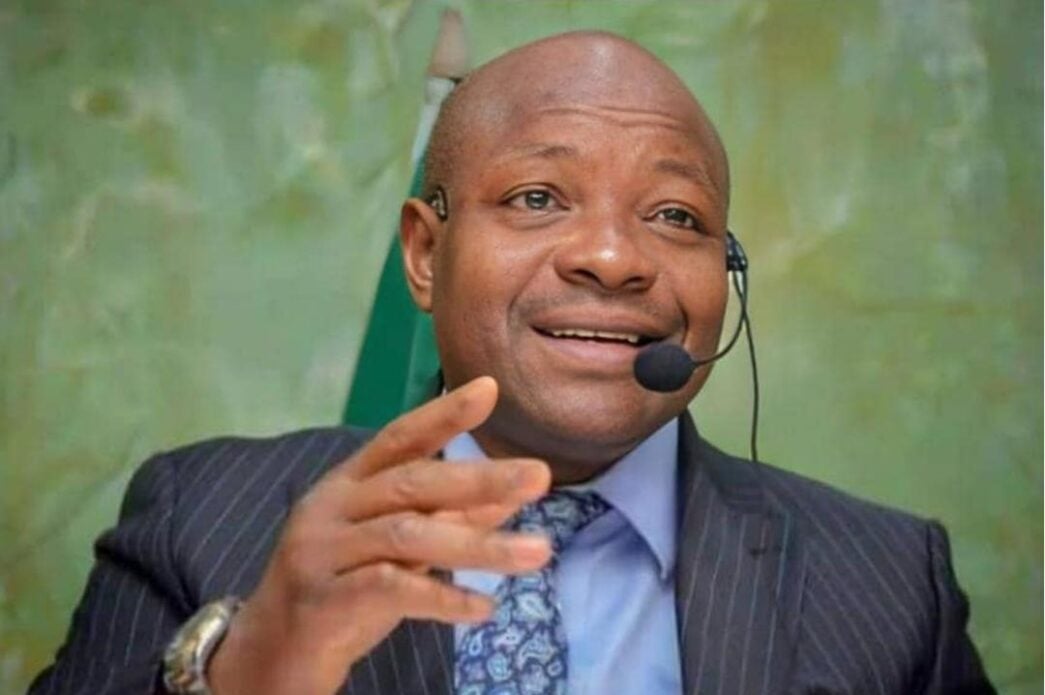
The Director-General of the Department of State Services (DSS), Oluwatosin Ajayi, has directed operatives of the agency not to arrest anyone over civil matters.
Ajayi disclosed this in a media interview on Thursday, saying the directive was part of measures to strengthen adherence to the rule of law and improve the agency’s human rights record.
The DSS boss said that since assuming office, he had introduced reforms across five broad areas: law enforcement, inter-agency synergy, accountability, respect for human rights, and infrastructural and administrative reforms aimed at improving operational efficiency.
According to him, the reforms had also resulted in a clearer distinction between civil and criminal matters within the agency.
Ajayi said his career experience had shown that the DSS previously conflated the two areas, stressing that the use of force was inappropriate in civil disputes.
“You cannot apply the use of force in civil matters. Even some criminal matters don’t require force,” he said.
He cited the case involving political economist, Prof Pat Utomi, over allegations relating to an attempt to establish a “shadow government”, saying the DSS opted to seek judicial interpretation rather than arrest him.
“Rather than arrest him, we sought judicial interpretation. And the Court ruled that his adventure was unconstitutional, illegal, and a threat to national security,” he added.
He also referred to a case involving the Socio-Economic Rights and Accountability Project (SERAP), saying the organisation approached the court over allegations that two DSS operatives invaded its premises.
Ajayi said the matter was pursued in court without any arrest, adding that the court eventually awarded more than N100 million in favour of SERAP.
Asked whether the DSS now resorts to the courts in civil matters, Ajayi replied, “Yes. I have told my people that there should be no arrest in any civil case. And I’m sure you have found out that, even in cases involving journalists, we would rather approach the court because we do the same job.
“I call you guys our professional colleagues. The only difference is that, while you inform the public, we inform the Government. And because we inform the Government, our information is classified until we declassify it.”


You’ll get lawsuit – Abati, Rufai clash on live TV over comment against presidential candidate [VIDEO]

2027: Nigerians Would Have Known Him For Four Years – ADC Spokesperson Reveals How Atiku Will Defeat Tinubu

Private Business Claims Linked to Permanent Secretary John Chidiebere Ezeamama in Violation of Code of Conduct for Civil Servants – Secrets Reporters Nigeria

Evening recap: Tinubu targets $1tn economy, police rescue NYSC members, IPOB threatens 2027, other top stories

Backlash as Governor Oborevwori Allegedly Distributes Billions to Council Chairmen, Vice, Councilors Amid Economic Hardship

Electricity: Nigerian university campuses will be taken off national grid — Education Minister Alausa

“My baby come use English explain give this people” – Hilarious moment Peller calls Jarvis to defend him during tiktok live dispute

Exclusive: How NSIA MD Aminu Umar-Sadiq Started Assets Construction Project With N363 Million And Jumped To N44.8 Billion In One Year – Part 1 – Secrets Reporters Nigeria

Cash In Hand: The Multi Million Naira Olubunmi Tunji-Ojo Federal Ministry Of Interior Money Paid Directly To Individual Staff Accounts Without Vendors – Secrets Reporters Nigeria

“For over 30 years” – Lady who received ₦1M from Peller reveals amount she gave her mother for business support in 2024
“Who’s your mate?”- Moment Peller asks Iceking about his age, reveals why he respects fast-rising singer
Imo returnees from S’Africa appeal to Uzodimma for ₦1m grant

Yobe Chairman Ask Wives To Divorce Husbands If They Stop Them From Voting APC, Vows To Pay New Bride Price

Burkina Faso, Mali, Niger exit weakened ECOWAS integration — Nigerian Presidency
Burkina Faso, Mali, Niger exit weakened ECOWAS integration — Nigerian Presidency

Terrorism: Stop giving motorcycles as palliatives – Defence Minister tells governors
Terrorism: Stop giving motorcycles as palliatives – Defence Minister tells governors
Terrorism: Stop giving motorcycles as palliatives – Defence Minister tells governors

Dutch shift 86 tonnes of gold from US and Canada to London, citing ‘geopolitical unrest’

N23.8 BILLION AND COUNTING: INSIDE ZACCH ADEDEJI’S FIRS/NRS SPENDING SPREE ON TRAINING, TRAVEL, RETREATS AND ‘SECURITY VOTE’

 Headlines19 hours ago
You’ll get lawsuit – Abati, Rufai clash on live TV over comment against presidential candidate [VIDEO]
- Headlines13 hours ago
Electricity: Nigerian university campuses will be taken off national grid — Education Minister Alausa
- News15 hours ago
Exclusive: How NSIA MD Aminu Umar-Sadiq Started Assets Construction Project With N363 Million And Jumped To N44.8 Billion In One Year – Part 1 – Secrets Reporters Nigeria
- News18 hours ago
Cash In Hand: The Multi Million Naira Olubunmi Tunji-Ojo Federal Ministry Of Interior Money Paid Directly To Individual Staff Accounts Without Vendors – Secrets Reporters Nigeria
- Metro18 hours ago
“Politics Is My Business” — Ebonyi LG Chairman Threatens Political Opponents After Nwifuru Warns Chairmen Against Losing Their Councils
- Politics10 hours ago
Nigerian Christians Warn of Political Exclusion as Nasarawa’s Ruling Party Selects All‑Muslim Slate for 2027
- News16 hours ago
N2.05bn Customs Audit Bombshell: N1.94bn Taxes Unremitted, N103.5m Legal Fees Questioned Under Hameed Ali – Secrets Reporters Nigeria
 Special Report15 hours ago
Travellers who arrive in Ghana with more than two mobile phones may have their additional devices treated as commercial import