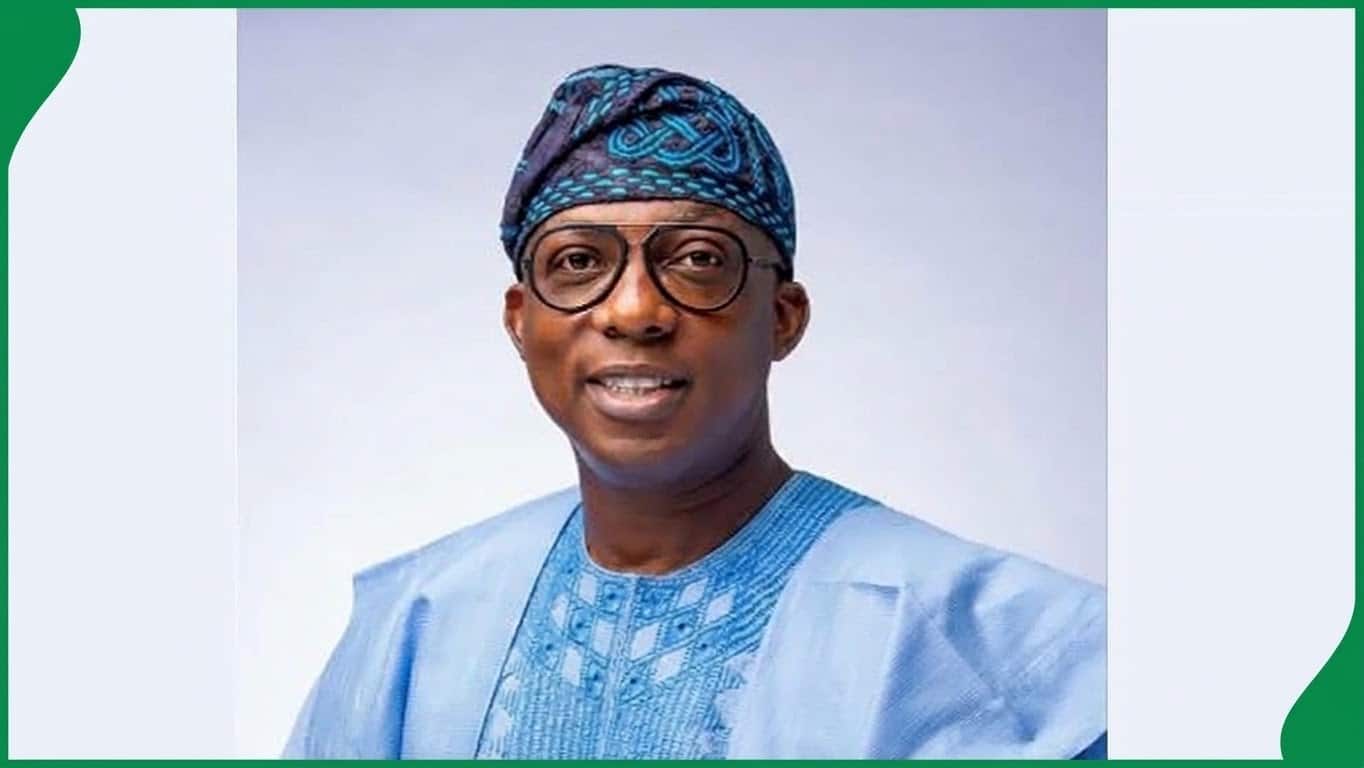
Lagos State Commissioner for the Environment and Water Resources, Tokunbo Wahab, has addressed the concerns raised by African Democratic Congress (ADC) governorship candidate, Gbadebo Rhodes-Vivour on the method used in handling waste disposal
NEWSNGR reports that Rhodes-Vivour had raised concerns over waste management and flooding in Lagos as part of his criticism of the state government ahead of the 2027 governorship election.
Speaking via a statement, Wahab acknowledged that Lagos still faces waste collection failures and other operational challenges but said the government was implementing measures to address them.
“Lagos generates an estimated 13,000 to 15,000 tonnes of municipal waste daily. In May 2026 alone, LAWMA and PSP operators evacuated approximately 418,500 tonnes, averaging 13,200 tonnes daily.
“These figures underscore the enormous scale of the responsibility. They do not suggest that every resident receives satisfactory service. We acknowledge collection failures, underperforming PSP operators and operational bottlenecks.
“However, it is misleading to suggest that Lagos has no plan beyond clearing refuse after it accumulates,” he said.
The commissioner explained that waste management involved several interconnected stages, warning that problems at disposal facilities could disrupt collection across the city.
“Delays at disposal facilities affect truck turnaround, disrupt collection schedules and eventually create refuse accumulation across neighbourhoods,” he said.
Wahab cited improvements at the Olusosun disposal facility following the rehabilitation of Road E and the provision of additional disposal platforms.
“Truck movements across disposal facilities rose to 1,866 in the week following the intervention, while Olusosun recorded an increase from 574 to 1,012 trips,” he said.
Beyond emergency evacuation of accumulated refuse, Wahab said the state was investing in modern transfer loading stations, material recovery facilities, recycling, composting and the Epe waste-to-energy project.