Politics
Atiku Camp Blames Tinubu Following Uber’s Exit From Nigeria

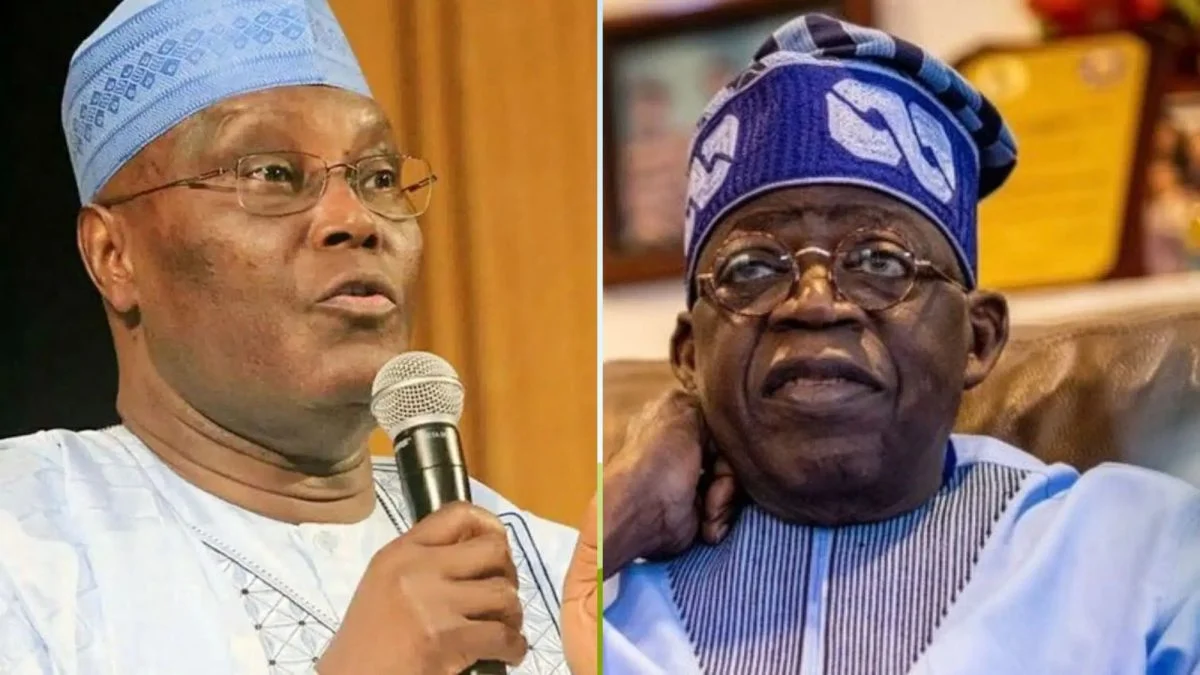
The camp of former vice president and 2027 presidential candidate of the African Democratic Congress (ADC), Atiku Abubakar, has blamed President Bola Tinubu’s administration for the decision by global ride-hailing company, Uber, to shut down its operations in Nigeria.
Paul Ibe, spokesperson for Atiku, attributed the blame in a statement issued on Wednesday following Uber’s announcement that it would wind down its Nigerian operations.
Uber, which commenced operations in Nigeria in 2014, said its exit would take effect on Wednesday, September 2, 2026, after a review of its business operations.
Reacting to the development, Ibe argued that while Uber had attributed its decision to a review of its business priorities and investment focus, the company’s exit should be viewed against the backdrop of what he described as Nigeria’s deteriorating business environment.
“Uber may diplomatically describe its decision as a review of its business priorities and investment focus. But Nigerians cannot ignore the bigger picture,” Ibe said.
He attributed the challenges confronting businesses in the country to inflation, currency instability, high operating costs, declining purchasing power and policy uncertainty under the Tinubu-led All Progressives Congress (APC) administration.
According to him, the development raises questions about Nigeria’s ability to retain existing investors and attract new ones.
“The real question is simple: why is Nigeria increasingly becoming a business graveyard, a place where businesses choose to leave rather than invest and expand?” he asked.
Ibe further criticised the administration for what he described as a contradiction between its investment ambitions and the reported decisions by businesses to shut down, scale back or redirect investments away from Nigeria.
“An administration that promised to attract investment cannot continue celebrating economic statistics while companies shut down, scale back or redirect investments elsewhere,” he said.
He called for policies capable of improving the operating environment for businesses, arguing that Nigeria needed an economy where companies could invest, remain profitable and create employment.
“Uber’s exit should therefore be a wake-up call: Tinubu’s economic policies are not yet delivering the investment-friendly Nigeria Nigerians were promised,” Ibe said.
He also took a swipe at the administration’s economic reform agenda, saying, “Indeed, Tinubunomics is powered by ‘bole ka ja’ policies!”
Meanwhile, Uber, in its earlier statement to customers, said it had taken the “tough decision” to wind down its Nigerian operations after a thorough review of its business.
The company said it had been a privilege to serve Nigerians since launching in Lagos in 2014 and apologised for the disruption its departure could cause to customers.
The Nigerian exit coincides with a major restructuring by Uber globally, with the company announcing plans to eliminate approximately 3,300 jobs.
Uber Chief Executive Officer, Dara Khosrowshahi, said the workforce reduction was aimed primarily at management and coordination roles as the company moves to simplify its organisational structure.
In a memo to staff, Khosrowshahi said the company was “removing layers, simplifying team structures, refining our global location strategy” and redirecting employees and investments towards areas with greater growth potential.
He said the affected positions represented about 10 per cent of Uber’s workforce.
According to the CEO, Uber’s revenue had nearly tripled over the past five years, but the rapid expansion of its products, businesses and customer base had also created additional layers of management and fragmented ownership.
Khosrowshahi said the restructuring was intended to make the company “simpler and faster” while creating greater capacity for investment in growth, innovation and emerging areas such as autonomous technology.


Ex-IYC President Advises Tinubu To Channel Subsidy Removal Savings Into Rehabilitating Refineries, Strengthening LG Autonomy

‘Why can’t Nigerians buy petrol for N441-N872 per litre like, Saudi Arabia, others’ – Atiku questions Tinubu

“If America, Cannot Fully Open Tinubu’s Drug Files, Who Told You Obi or Atiku Can Win Without a Revolution?” – IPOB

Evening recap: Tinubu targets $1tn economy, police rescue NYSC members, IPOB threatens 2027, other top stories

Private Business Claims Linked to Permanent Secretary John Chidiebere Ezeamama in Violation of Code of Conduct for Civil Servants – Secrets Reporters Nigeria

“No Office, Title Or Social Status Places Anyone Above The Law” — Olukoyede Says EFCC Secured 10,872 Convictions In 34 Months

2027: Nigerians Would Have Known Him For Four Years – ADC Spokesperson Reveals How Atiku Will Defeat Tinubu

BUSTED: Highly Classified Intelligence Report Reveals Bola Tinubu Is Not on Vacation, But in Europe to Seek Political Protection From His “Friends” to Ensure His US Drug-Related Documents Are Never Released
Atiku’s Absence At Coalition Talks For Single-candidate Should Not Be Interpreted As Boycott – Phrank Shaibu

BREAKING: Tinubu Likely To Get ‘Maduro Treatment’ as FBI, DEA Review Heroin-Trafficking, Money Laundering and IRS Investigations

CAN Reacts to Claim That Peter Obi Could Defeat Jesus Christ In Election

Why Adeleke thanked Tinubu after Osun poll victory— Wike

APC Disgraced as Crowd Hails Atiku Instead of Tinubu at Zamfara Rally

‘Don’t spend a kobo on a gift for me,’ Shettima shares lessons at 60

LUTH seeks private sector support, says govt cannot meet all healthcare needs

Ex-gang leader found guilty in 1996 murder of rapper Tupac Shakur

US Firm Rejects Alleged $3m Offer to Drop Tinubu Drug Investigation

Oyo raises the alarm over misuse of NGOs, crowdfunding for criminal activities

BREAKING: Reps Releases Findings on Fake Agency PFIPC

Miyetti Allah Sends Message to Tinubu over Detention of Its Leader

 News16 hours ago
Evening recap: Tinubu targets $1tn economy, police rescue NYSC members, IPOB threatens 2027, other top stories
- News15 hours ago
Private Business Claims Linked to Permanent Secretary John Chidiebere Ezeamama in Violation of Code of Conduct for Civil Servants – Secrets Reporters Nigeria
- Politics14 hours ago
2027: Nigerians Would Have Known Him For Four Years – ADC Spokesperson Reveals How Atiku Will Defeat Tinubu
- Politics19 hours ago
Atiku’s Absence At Coalition Talks For Single-candidate Should Not Be Interpreted As Boycott – Phrank Shaibu
- Politics23 hours ago
Tinubu’s Old Certificate and U.S. Forfeiture Controversies Resurface Ahead of Nigeria’s 2027 Election
- News14 hours ago
N10 Billion Paid To Six Months Old Company And Four Ghost Companies: Inside Fmr Minister Wale Edun, NRS Chairman Zaach Adedeji And Perm. Sec Lydia Jafiya’s PCNGI Contract Heist – Secrets Reporters Nigeria
- News10 hours ago
Exclusive: Federal Government Indicts MDGIF Director Oluwole Adama Of N33.6 Billion Under-Remittance of Gas Flares Penalty To Public Purse – Secrets Reporters Nigeria
- Politics16 hours ago
You Are Attacking Atiku’s Policy Because He Has Chosen To Stand With Nigerians – Phrank Shaibu To Tinubu