Metro
What Must Happen Before Strait of Hormuz Can Reopen – Iran

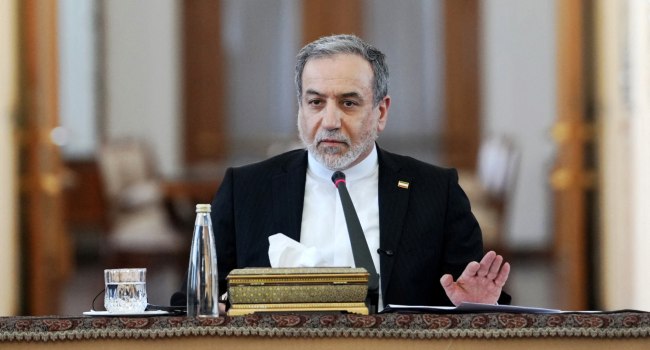
Iran has said the reopening of the Strait of Hormuz now depends on the United States, insisting that Washington must halt what it described as hostile actions before the strategic waterway can resume normal operations. The latest position comes despite repeated claims by US President Donald Trump that Tehran is……
Iran has said the reopening of the Strait of Hormuz now depends on the United States, insisting that Washington must halt what it described as hostile actions before the strategic waterway can resume normal operations.
The latest position comes despite repeated claims by US President Donald Trump that Tehran is eager to reach an agreement to reopen the vital shipping route.
Iran has, however, denied holding such a deal with Washington, maintaining that it is instead working with neighbouring Oman on arrangements concerning the strait.
Speaking to Iran’s state news agency IRNA, Foreign Ministry spokesman Esmaeil Baqaei said the continued closure of the Strait of Hormuz was linked to what he described as the United States’ naval blockade and other threatening actions against Iran.
According to Baqaei, the factors preventing the reopening of the waterway include “the naval blockade and other aggressive and threatening actions against Iran and its interests by the US.”
Tehran also announced on Wednesday that it had reached an understanding with Oman on a shipping route for vessels transiting the Strait of Hormuz and was finalising plans for the joint management of the strategic waterway.
The agreement would be a step towards reopening the key energy route, but official sources briefing Iranian media stressed that any easing still hinged on Washington ending its own naval blockade of Iran’s ports.
Iran has exercised de facto control of the waterway and threatened any vessels transiting routes it deems unauthorised ever since the United States and Israel launched their war against the country on February 28.
“The geographical coordinates of the route envisaged by the two sides have been agreed upon and, if certain third parties do not obstruct the process, the joint statement of the two countries, containing the main considerations and points of agreement, is also in the final review and drafting stage,” Iran’s foreign ministry spokesman Esmaeil Baqaei said, according to state news agency IRNA.
According to the report, Baqaei told journalists that talks with Oman were moving forward, but that even if an understanding was reached, it would not mean that the strait had become safe for all passing vessels.
“The factors making the Strait of Hormuz insecure still exist on the part of the United States, particularly the naval blockade and other aggressive and threatening actions against Iran and its interests,” he said.
Highlighting the risks, the captain of an oil tanker reported hearing two explosions while transiting the strait, nine nautical miles (17 kilometres) southeast of Kumzar, Oman, Britain’s maritime security agency UKMTO said on Wednesday. The crew and vessel were safe.
Yemen’s Houthis said separately they had struck two Saudi oil tankers, the eighth and ninth hit since they launched a blockade of the kingdom last month.
Military spokesman Yahya Saree said missiles hit the tanker Wafa off Yanbu in the northern Red Sea and the tanker Daisy in the Gulf of Aden.
Saudi authorities did not immediately comment.
‘Fractured System’
Before the war, Hormuz carried around a fifth of the world’s oil and LNG exports, and prices have repeatedly surged since the dispute over the waterway erupted, piling economic and political pressure on Washington.
US Vice President JD Vance acknowledged American frustrations with the pace of diplomacy with Iran, saying negotiations would take time because of divisions within the country’s leadership.
“It’s going to be messy and it’s going to take some time to get there,” Vance told Fox News in an interview broadcast Wednesday.
“The reality… is that number one, the Iranians are extraordinarily difficult people. Number two, they have a fractured system,” he said.
After imposing an effective blockade on the strait, Iran has insisted ships take a route that hugs the Iranian coast.
Many vessels have instead chosen to take a southern route, close to Oman on the opposite side of the strait, occasionally coming under fire.
Iran wants to control the strait and charge tolls, powers it did not exercise before the war and a development that the US would fiercely oppose.
In what has become a regular pattern, Trump last week threatened to hit Iran “very hard”, potentially with attacks against civilian infrastructure, only to pull back, hinting a deal was near.
But Iran’s foreign ministry denied negotiations were taking place with Washington.
AFP


“If Anybody Is Counting Rivers, Go Now & Cancel It, The Only Person That Can Count Rivers Is BAT–Wike

Another Lie? In INEC’s Form, President Tinubu Submits Another Person Phone Number & Email As His – Secrets Reporters Nigeria

MTN The Silent Killer: How Citizen Nwatu Died Due To MTN Switched Off Network To Call For Help – Secrets Reporters Nigeria

Family raises alarm over ‘harassment’ of Nnamdi Kanu’s independent physicians by DSS, Medical Council

The Treasury Does Not Belong To You – Atiku Blasts Tinubu Over Allocation Of ₦1.08 Trillion To Federal College

Exclusive: Ghana’s Fugitive Finance Minister Ken Ofori-Atta Buys $528,000 New York Mansion, Secretly Lives With Woman Who’s Not His Wife – Secrets Reporters Nigeria

NAICOM withdraws Nigeria Reinsurance’s licence, appoints Muiz Banire as receiver – The Witness Nigeria

TETFUND Boss Sonny Echono Spends N841 Million On Solar Streetlights And Each Light Is N1 Million In Four Tertiary Institutions, Pays Consultancy For Them – Secrets Reporters Nigeria

Federal Government College Kaduna Class of 1986 Celebrates 40 Years of Friendship at Memorable Reunion

DHQ Expands Surrender Programme Nationwide, Warns Gunmen and Militants to Lay Down Arms or Face Military Action

Gunman kills Mexican TikTok influencer during live stream

CAC Pledges Collaboration With National Credit Guarantee Company to Boost MSMEs

Why the UK is doubling down on Asean ties amid European reset

What About Ekiti – Fayose Blasts EFCC Over Osun Account Freeze

Confusion Breaks As NPP Supporters Fight Among Themselves Outside Supreme Court Ahead of ‘Democracy Under Attack’ Demonstration

Thunder Lightning Strikes Footballer During Official Match, Kills Him On The Spot

Nigeria offshore investments – The Trumpet Newspaper Nigeria

61.5% Candidates Obtained Minimum Requirement For University Admission – WAEC

‘He Needs To Go Psychiatric Hospital’ — Bode George Fires Back At Wike

Atiku Condemns EFCC’s Freeze Of Osun Funds Ahead of Election

 Headlines21 hours ago
Family raises alarm over ‘harassment’ of Nnamdi Kanu’s independent physicians by DSS, Medical Council
- News24 hours ago
Exclusive: Ghana’s Fugitive Finance Minister Ken Ofori-Atta Buys $528,000 New York Mansion, Secretly Lives With Woman Who’s Not His Wife – Secrets Reporters Nigeria
- Special Report17 hours ago
NAICOM withdraws Nigeria Reinsurance’s licence, appoints Muiz Banire as receiver – The Witness Nigeria
- News22 hours ago
TETFUND Boss Sonny Echono Spends N841 Million On Solar Streetlights And Each Light Is N1 Million In Four Tertiary Institutions, Pays Consultancy For Them – Secrets Reporters Nigeria
- News14 hours ago
Federal Government College Kaduna Class of 1986 Celebrates 40 Years of Friendship at Memorable Reunion
- Politics18 hours ago
A Terrorist Bureaucracy Is Running Northern Nigeria — And Civilians Must Buy “Clearance Passes” to Stay Alive
- Entertainment23 hours ago
“Nobody could beat me in any election” — Davido says he could win Nigeria’s presidency under a free and fair system
- Special Report22 hours ago
Fresh SHS Graduate Forced To Twerk And Dance After Reportedly Using Stolen Phone To Withdraw Money From Bank Account