Metro
Presidency Rejects Atiku’s Call To Restore Petrol Subsidy

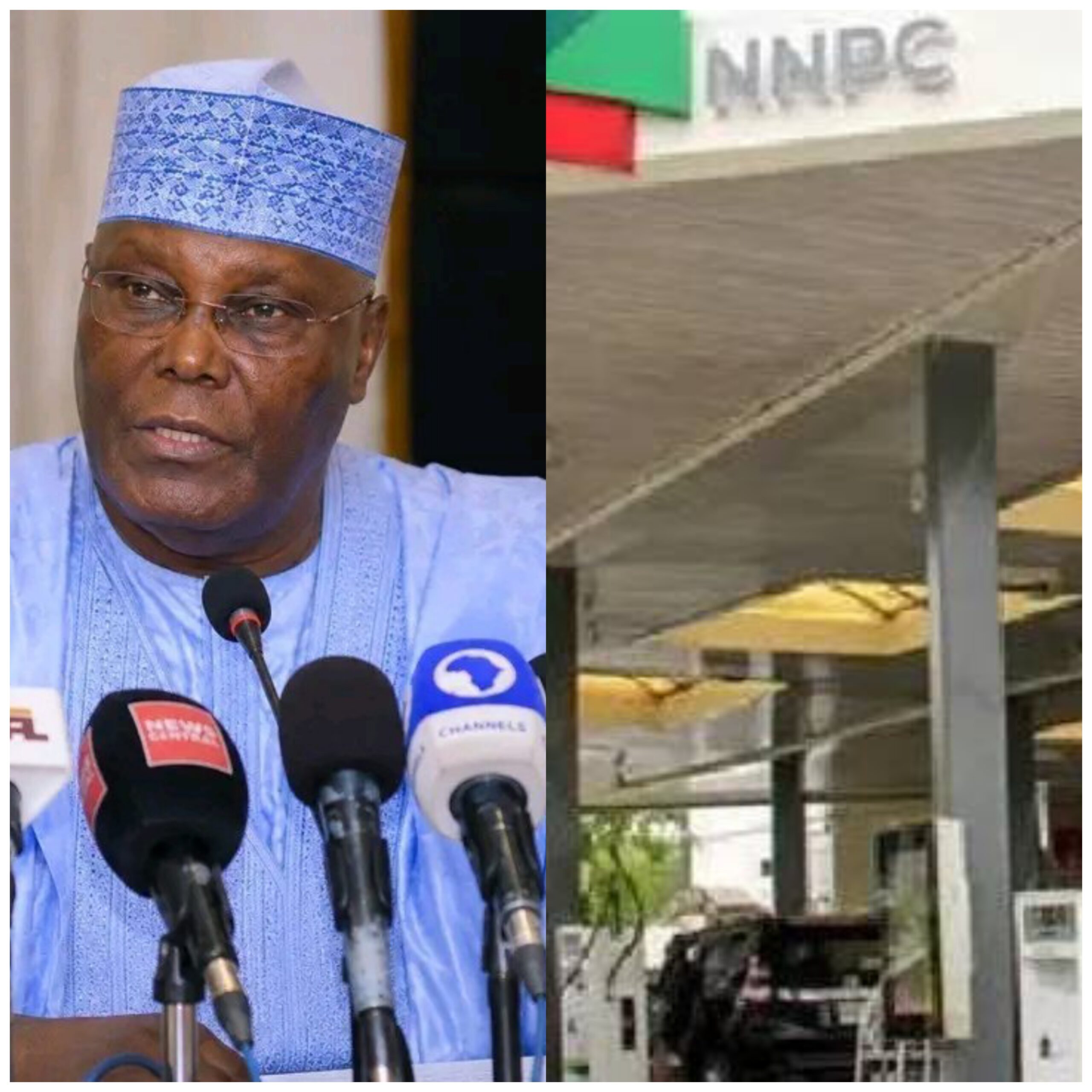
The Presidency has rejected former Vice-President Atiku Abubakar’s proposal to restore petrol subsidy, describing it as a retrogressive policy that could undermine Nigeria’s fiscal stability and recent reforms in the petroleum sector….
The Presidency has rejected former Vice-President Atiku Abubakar’s proposal to restore petrol subsidy, describing it as a retrogressive policy that could undermine Nigeria’s fiscal stability and recent reforms in the petroleum sector.
Special Adviser to President Bola Tinubu on Information and Strategy, Bayo Onanuga, said Atiku’s proposal represented a reversal of his previous position on subsidy removal and urged Nigerians to examine the fiscal and legal implications of bringing back the policy.
In a statement on Thursday titled “Restoring Petrol Subsidies: Atiku’s Volte-face and Desperation for Power,” Onanuga said Atiku was entitled to propose alternative policies but must explain how a renewed subsidy regime would be funded.
He argued that the former subsidy system was not simply a government discount but involved the state absorbing the difference between the regulated pump price and the actual cost of supplying petrol, placing a significant burden on public finances.
According to him, the Petroleum Industry Act (PIA) had already provided for the removal of petrol subsidy by the end of June 2023, while President Tinubu only accelerated the process by a few weeks after assuming office.
Onanuga said restoring subsidy would therefore require a clear legal, fiscal and administrative framework, including identifying the source of funding and determining how the policy would operate within Nigeria’s restructured petroleum market.
He also pointed to changes in the downstream sector since 2023, particularly the growth of domestic refining capacity.
The presidential aide said the emergence of the Dangote Refinery and other local refineries had changed Nigeria’s petroleum landscape by reducing dependence on imported refined products and creating opportunities for energy security, foreign-exchange conservation and industrial development.
He warned that a return to the former subsidy regime could undermine the growth of local refining and discourage investment in the sector.
Onanuga further argued that funds previously used to support subsidised petrol could now be retained within the federation and shared among the three tiers of government.
He cited the approximately N3 trillion shared from the Federation Account in July as an example of the increased revenue available to governments following the removal of petrol price and foreign-exchange distortions.
The Presidency acknowledged the hardship caused by higher petrol and transport costs but said sustainable relief should not come through the restoration of a system that it described as fiscally burdensome and vulnerable to abuse.
Onanuga highlighted the Federal Government’s promotion of Compressed Natural Gas (CNG), which he said was significantly cheaper than petrol for vehicles, taxis and distribution trucks.
He urged political actors proposing a return to subsidy to provide Nigerians with specific answers on the cost of the programme, its funding source, whether additional borrowing would be required and whether existing petroleum legislation would need to be amended.
He also questioned what exactly a renewed subsidy would cover in an increasingly domestic-refining-driven market.
“Political promises must be backed by fiscal arithmetic,” Onanuga said, insisting that Nigeria could not afford to return to policies whose costs eventually emerge as higher debt, reduced public spending and pressure on the naira.
He called for a robust national debate on the cost of living and economic policy but said such discussions must reflect Nigeria’s current economic and petroleum realities rather than the conditions of the past.


Crisis rocks Edo Assembly as workers protest planned repeal of financial autonomy for house, judiciary

₦3.26bn in Revenue and Account Irregularities Uncovered Under Mr Abdullahi O. Attah as Chairman – Secrets Reporters Nigeria

Plateau killings: Ex-Gov Dariye seeks help from international communityDariyePlateau killings: Ex-Gov Dariye seeks help from international community

InMessage strengthens online dating experience with focus on real Connections, safer social discovery

Missing Millions, Black-Market Dollars and Uncollected Debts: News Agency of Nigeria Failed to Account for Public Funds and Foreign Exchange – Secrets Reporters Nigeria

Prof. Josephine Anene-Okakwa Administration Saddled with ₦76.84m in Financial Irregularities at Federal College of Education (Technical), Asaba – Secrets Reporters Nigeria

Adeleke receives certificate of return, pledges N500m fund for election violence victims – The Witness Nigeria

Over ₦1.05bn in Financial Irregularities Uncovered under Alihu Nahuchi Leadership in FCT Water Board – Secrets Reporters Nigeria

EPL: ‘They’ve brought in some experienced players’ – Ian Wright names club to challenge Arsenal for title

“Witches exist. I have gone to a meeting with witches before and came back to the house” — Kunle Omisore

Paul Biya, Cameroon’s undefeated ruler for 44 years, returns after long absence

“She was not entirely wrong…”

Subsidy: Serious ignorance in governance, economy – Tinubu fires back at Atiku

Your Supporters Are On Rampage, Call Them To Order – Aisha Yesufu To Atiku

Presidency Rejects Atiku’s Call To Restore Petrol Subsidy

UECL: Yohanna makes Brighton debut in UECL draw against Tromsø

Anambra community title holder shot dead, indigenes suspect Igweship tussle as reason

El-Rufai Suffers Setback as Kaduna CJ Rejects Request to Remove Trial Judge

2027: Osun already in bag for Tinubu – Bashir Ahmad

Beijing calls US tariff report ‘false narrative’ as named hub Mexico plans new China curbs

 Headlines14 hours ago
Plateau killings: Ex-Gov Dariye seeks help from international communityDariyePlateau killings: Ex-Gov Dariye seeks help from international community
- Headlines12 hours ago
InMessage strengthens online dating experience with focus on real Connections, safer social discovery
- News23 hours ago
Prof. Josephine Anene-Okakwa Administration Saddled with ₦76.84m in Financial Irregularities at Federal College of Education (Technical), Asaba – Secrets Reporters Nigeria
- Metro20 hours ago
“EFCC Declares Victoria Nwachukwu, Oluwatosin Adekunle Wanted” — Alleges Conspiracy, False Pretence, Diversion Of Funds
- Metro15 hours ago
“United Nigeria Airlines Commits ₦20m To Sustain Chinua Achebe Prize For 10 Years” — ANA Says Intervention Ends Funding Uncertainty
- Politics12 hours ago
‘Even If Tinubu Appoints His Wife As CJN, Seyi As INEC Chairman, He Will Lose 2027 Election’ – Dalung
- News6 hours ago
Sons Of Hell: Billion Paid For Vanished Aircraft, Chinese Donated Rice Rotten – How Two NEMA DGs Left Disaster Victims Starving While Public Funds Disappeared – Secrets Reporters Nigeria
- Entertainment13 hours ago
“I hate children, I don’t like kids” — Miss Jorji reveals what she did 24 hours after getting pregnant