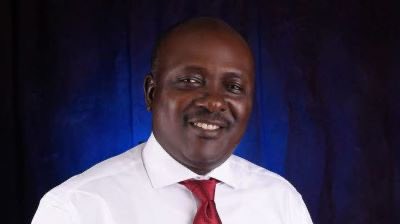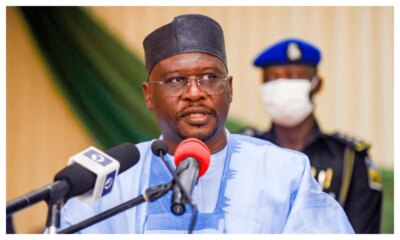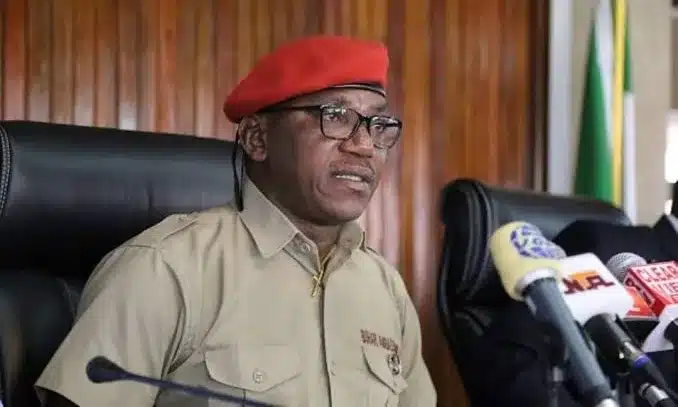
Former Minister of Youth and Sports Development, Solomon Dalung, has raised concerns over the names in the All Progressives Congress (APC) Presidential Campaign Council list.
He warned that the credibility of the 2027 election would depend on the integrity of the people in the campaign council.
NEWSNGR reports that Dalung shared his reservations during an appearance on Arise Television on Tuesday.
He asserted that the allegations surrounding some members could undermine public confidence in the ruling party.
He said: “The credibility of any transition process begins with nominations of those qualified to contest, and then those that are put forward to solicit support and convince people to support the various candidates.”
He said the APC campaign council list had generated serious concerns, particularly because of allegations previously associated with some of the individuals named.
“Of great concern is the list of people saddled with the responsibilities of campaigning for the various candidates.
“So far, we have the list of the APC, and it has elicited serious concern by Nigerians looking at the characters that populated that list.
“If you have a campaign council list made up of these personalities, who have corruption hanging on their necks like the sword of Damocles, then you will question what the future looks like
“What type of government are we trying to put in the future, and what will the Bola Ahmed Tinubu government, if elected in 2027, look like?” he asked.
Dalung also faulted the APC for withdrawing the initial list for review, saying the development raised questions about the party’s preparedness.
“They cannot throw a list of very corrupt persons to our face and then turn around to say they are going to review it.
“This is a vote of no confidence passed on themselves, and I think Nigerians should take note of this,” he said.
The former minister rejected suggestions that his criticism was politically motivated, insisting that his position was based on national interest.
“It is not about where you stand,” he said, adding that the issue should be about “the capacity of the government to deliver on its campaign promises.”