News
Nkem Owoh Clarifies Yoruba Role In Nollywood, Says They Pioneered Home Videos

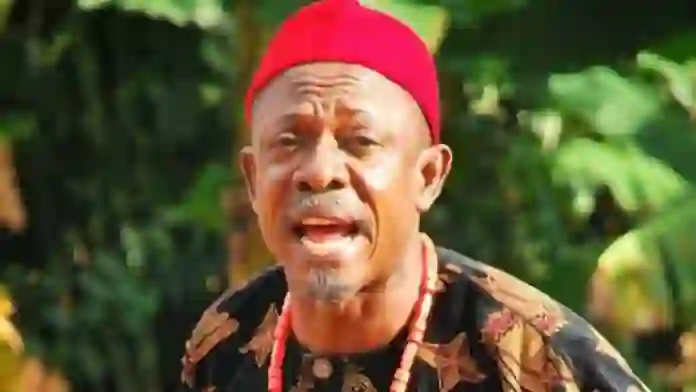
Veteran Nollywood actor, Nkem Owoh, has clarified his position on the origin of Nigeria’s film industry, saying Yoruba filmmakers pioneered home-video productions but did not establish Nollywood.
Owoh made the clarification during an appearance on Curiosity Made Me Ask, a programme hosted by comedian and content creator Adebayo Abidemi, popularly known as Bae U. The interview was published on the host’s YouTube channel on Saturday.
During the interview, the actor was asked to respond to an alleged claim that Yoruba people, rather than the Igbo, started Nollywood.
However, Owoh rejected the interpretation, explaining that the name Nollywood was not in existence when Nigerian filmmakers began producing movies.
According to him, filmmakers from different backgrounds initially came together to develop the industry before eventually agreeing on the name Nollywood.
He explained that Yoruba filmmakers played an important role in popularising home-video productions in Nigeria, particularly through the contributions of veteran filmmakers such as Hubert Ogunde and Adebayo.
Owoh described Ogunde and Adebayo as influential figures whose productions attracted his admiration, adding that their contributions to the development of Nigerian cinema should not be overlooked.
He further stressed that Ogunde was a Yoruba filmmaker and maintained that Yoruba practitioners were already prominent in the industry before the emergence of the Nollywood name.
“The Yoruba did not start Nollywood. They started home video,” the actor clarified.
His comments come amid an ongoing debate over the contributions of different ethnic groups to the development of Nigeria’s entertainment industry.
In August 2026, late actor Francis Duru argued that Igbo entrepreneurs played a major role in building modern Nollywood through the home-video boom of the 1990s and early 2000s.
Duru also suggested that Yoruba filmmakers had strengthened their influence in the industry through better organisation and the promotion of their cultural identity.
The debate highlights the different phases of Nigerian cinema, particularly the distinction between the early development of indigenous film productions and the emergence of modern Nollywood.
One of the major turning points in the industry’s growth was the release of Kenneth Nnebue’s 1992 film, Living in Bondage, which is widely regarded as a landmark production in the expansion of Nigeria’s home-video industry.
Owoh’s clarification therefore draws a distinction between the early contributions of Yoruba filmmakers to home-video productions and the later emergence of Nollywood as an organised film industry.
READ ALSO:



“Every Item Has Been Recovered” — Viral CCTV Helps Trace Lagos Photographer’s Stolen Equipment As Wedding Files Remain At Risk

‘He’s closest to Lionel Messi’ – Rashford names player to win more Ballons d’Or than Cristiano Ronaldo

That’s How A Statesman Should Behave – Keyamo Praises Atiku For Not Disobeying Court Order Sacking Him As ADC Presidential Candidate

US travel ban on Supreme Court Justices based on misinterpreted judgment – Retiring Justice Aji clarifies

Explain What Your Administration Has Done With ₦15.8 Trillion Saved From Fuel Subsidy Removal – Peter Obi Dares Tinubu

Oyedepo, Adeboye own private jets, universities because Obasanjo allocated oil wells to them – Madugba

“We Will Resist Every Attempt To Turn Nigeria Into A One-Party State” — Atiku Rejects ADC Judgment, Vows To Stay In Presidential Race

“No More Annual Leave As 2027 Elections Approach” — INEC Orders Staff To Remain On Duty, Announces New Salary Structure, Allowances

“Personal Attacks On Judges Are Not A Substitute For Legal Argument” — C4G Tells Okonkwo, Odinkalu Over ADC Judgment

JUST IN: Nigeria beat Japan to become first African nation to win U-17 Women’s World Cup – The Witness Nigeria

Nkem Owoh Clarifies Yoruba Role In Nollywood, Says They Pioneered Home Videos

Uba Sani donates vehicles to JNI, CAN, religious sects

2027: Jigawa Speaker Says Residents Must Vote For Tinubu

2026 U-17 WWC: Flamingos receive $50,000 reward for historic title triumph

Turkey: Nigeria’s Gift Orban overtakes Victor Osimhen in Super Lig Golden Boot race

Aregbesola appeals judgment sacking Mark-led ADC, prays court to stay execution

EPL: There’s no solution, Man Utd could get relegated – Leboeuf

Hunger Exists In Nigeria, But Only Lazy People Lack Food – Yari

Lagos Hosts World Bank Mission to Strengthen Governance, Improve Public Service Delivery

They Will Go From House To House, Check Under Your Bed – Kwankwaso Raises Alarm Over Tinubu’s Tax Policies

 Viral7 days ago
FLUTTERWAVE’S CYPRUS EXIT: BANK OF CYPRUS OBJECTION TRIGGERS TOTAL WRITE-OFF OF 100% SUBSIDIARY, AUDITED ACCOUNTS REVEAL
- Metro5 days ago
“Nigeria Cannot Afford To Fail In 2027” — UNOWAS Urges Peaceful Elections As NHRC Warns Against Electoral Offences
- Metro7 days ago
“Effective Dispute Resolution Begins Before Disputes Arise” — CIArb Nigeria Corporate Counsel Group Holds Abuja, Lagos Dialogues
- Metro7 days ago
“INEC’s Internal Review Is Not Enough” — SERAP Asks Tinubu To Order Independent Probe Of AI-Generated Photos In Voter Register
- Politics7 days ago
Imo People Gathered At A Street Named After Ganduje, Insisting That It Must Be Renamed – Uzodinma’s Aide
- Special Report5 days ago
Cocaine: KC Luxury asks judge to withdraw from his trial over missing affidavit – The Witness Nigeria
- Headlines7 days ago
Trump made right decision to designate Nigeria Country of Particular Concern – US congressman Riley Moore
- Metro6 days ago
“APC’s 2027 Strength Goes Beyond Electoral Victories” — Yilwatda Cites 13m Members, 31 Governors, 88 Senators