News
The Economist Says Tinubu Could Retain Presidency Despite Public Discontent

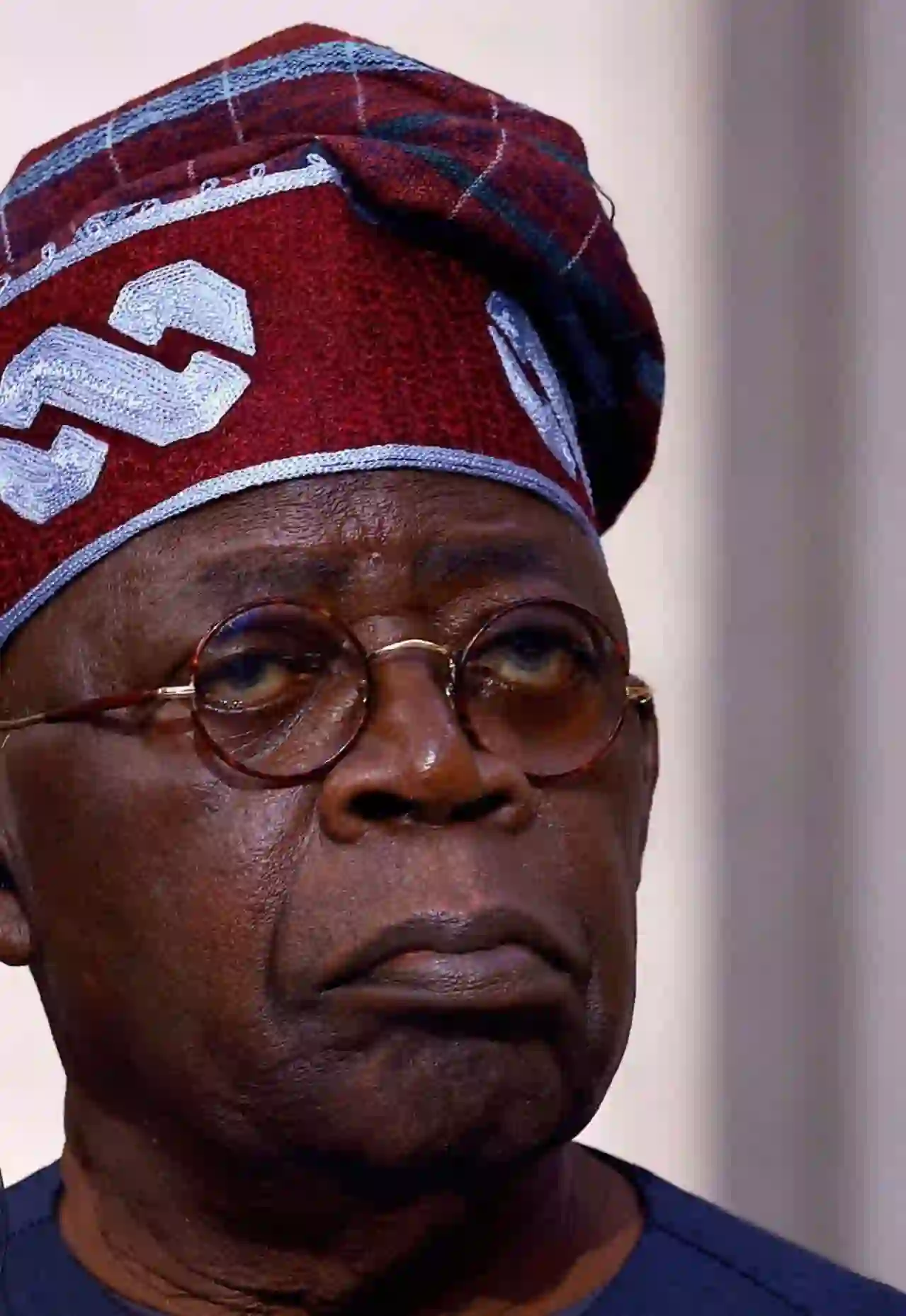
The Economist has said President Bola Tinubu could still secure re-election in the 2027 presidential election despite growing concerns over insecurity, economic hardship and dissatisfaction with his administration.
In an analysis titled “Nigerians Dislike Their President, But May Re-elect Him Anyway,” the London-based magazine examined several factors it said could shape the outcome of the January 2027 election.
Tinubu of the All Progressives Congress (APC), former Vice President Atiku Abubakar of the African Democratic Congress (ADC), and former Anambra State Governor Peter Obi of the Nigeria Democratic Congress (NDC) are among the leading contenders in the election.
According to The Economist, the President’s prospects are influenced by Nigeria’s complex electoral environment, including the fragmentation of the opposition, incumbency advantage, religious considerations, political cynicism and historically low voter turnout in some regions.
The publication acknowledged the challenges confronting the Tinubu administration, particularly insecurity and the rising cost of living.
It pointed to the worsening security situation in parts of the country, noting that Nigerians continue to face attacks, kidnapping and other forms of violence.
The magazine also observed that although Tinubu’s economic reforms have received positive reactions from some investors, their benefits have not yet translated into improved living conditions for many Nigerians.
Borno State was used as an example of the difficulties facing communities affected by insecurity and economic hardship.
The publication said prolonged insurgency had damaged economic activity in the state, while unemployment, poor harvests, reduced aid and higher energy costs had compounded the difficulties faced by residents.
It further cited recent polling by SBM Intelligence, which it said showed that Tinubu’s popularity in Borno had declined compared with that of Atiku and Obi.
Despite these challenges, The Economist argued that dissatisfaction with an incumbent does not automatically translate into an electoral defeat.
It identified the influence of the ruling party’s political structure and the advantages associated with incumbency as factors that could affect the contest.
The magazine also highlighted the absence of a joint opposition ticket between Atiku and Obi, arguing that the division could prevent voters opposed to the APC from consolidating behind a single candidate.
Joachim MacEbong of Control Risks was quoted as saying that because the opposition was not running on a united ticket, the anti-APC vote might not be consolidated around one candidate.
Religion was also identified as one of the factors that could influence voting patterns.
The publication noted that Tinubu and Vice President Kashim Shettima are Muslims, while Obi is a Catholic with a Muslim running mate.
It quoted Cheta Nwanze of SBM Intelligence as saying that the Muslim-Muslim ticket could still resonate with some voters in northern Nigeria.
Another factor identified by The Economist was what it described as political cynicism among voters who have experienced years of inadequate public services.
The magazine argued that prolonged exposure to poor security, healthcare and education could lead some citizens to lower their expectations of government.
It cited the example of a woman in Maiduguri who reportedly planned to vote for Tinubu because she had received medicine at a government hospital.
The publication also pointed to voter turnout as a possible factor in the election.
It noted that insecurity could discourage voters from travelling to polling stations, citing Borno’s turnout of below 20 per cent in the 2023 presidential election, compared with 27 per cent nationwide.
It further suggested that regional and identity considerations could influence voting in some parts of the country, including Lagos, where Tinubu served as governor and has strong political ties.
The Economist concluded that unless improvements in economic conditions and security become more noticeable in people’s daily lives, many voters could remain dissatisfied, while that dissatisfaction might not necessarily translate into votes against the incumbent.
ADC Rejects Economist’s Assessment
Reacting to the publication, ADC National Publicity Secretary Mallam Bolaji Abdullahi said the party agreed that Tinubu faced widespread dissatisfaction but disagreed with the magazine’s assessment of his electoral prospects.
Abdullahi argued that the cost-of-living crisis, rather than religion or ethnicity, would be a major factor influencing how Nigerians vote in 2027.
He said Nigerians across different ethnic and religious groups were experiencing economic difficulties and that the mood of the country should not be underestimated.
The ADC spokesperson also alleged that the APC could only win through electoral manipulation, although he did not provide independently verified evidence to substantiate the allegation.
NDC Questions Tinubu’s Re-election Prospects
The NDC also challenged The Economist’s analysis.
The party’s National Publicity Secretary, Osa Director, questioned how the publication could acknowledge Tinubu’s reported unpopularity while still conclude that he could retain power.
The NDC argued that the magazine did not sufficiently explain how the factors it identified as weaknesses for the President would translate into an electoral advantage.
The party also alleged that there was no realistic route to a Tinubu victory without electoral manipulation. It did not provide independently verified evidence supporting the claim.
Presidency Defends Tinubu’s Economic Reforms
The Presidency, meanwhile, defended the economic policies of the Tinubu administration.
Presidential spokesperson Bayo Onanuga said the reforms were introduced to address structural problems that had accumulated over several years.
Onanuga referenced Tinubu’s October 1 Independence Day address, in which the President argued that previous governments had postponed difficult economic decisions and allowed distortions in the economy to worsen.
According to the President, the reforms did not create Nigeria’s economic problems but were intended to address them.
Tinubu also defended the removal of the fuel subsidy and warned against returning to what he described as unsustainable subsidy arrangements.
He said Nigeria’s economy had grown by more than four per cent in 2026, with contributions from both the oil and non-oil sectors.
The President maintained that his administration had been forced to take difficult decisions because of the economic conditions it inherited in 2023.
The debate over The Economist’s assessment comes as political parties and presidential candidates intensify preparations for the 2027 election, with economic conditions, security, voter turnout and the strength of opposition alliances expected to remain central issues in the campaign.
READ ALSO:



“I was forced to post my boss on WhatsApp or risk salary deduction” – Lady recounts alleged workplace experience

Elected To Enjoy: Bayelsa State Governor Douye Diri Burned N14.3 Billion of His Governor’s Office Allocated N32 Billion in Just Six Months

“One Registry, Fewer Fees And Less Bureaucracy” — Akwa Ibom Assembly Advances Bill To Harmonise CSO Registration

OAU Under Vice-Chancellor Simeon Bamire Fails to Remit ₦623 Million in Revenue, Skips Required Financial Statements

“Decline In Sharia-Learned Justices Is Delaying Appeals” — MULAN Urges Court Of Appeal, Supreme Court To Address Panel Shortage

“My $800 rent covers electricity, water, gas” – Abroad-based Nigerian man compares bills in Nigeria, Canada

“130 Freed In Plateau, 94 In Kogi, 24 In Taraba, Nine In Adamawa” — Governors Grant Independence Day Clemency To Inmates

Exclusive: Wema Bank Under MD Moruf Oseni Handed 91% of Its Rights Issue to Two Shareholders and Named No One in Its N50bn Placement

“We carried TV, Freezer…” — Friends reclaim wedding gifts after groom quits club two weeks after marriage

“We Are Reaching Out To The Left Out” — Tinubu Orders Quarterly Government-CSO Dialogue, Seeks Collaboration On Accountability And 2027 Elections

‘What have you ever done’ – Rio Ferdinand questions Portugal over Ronaldo

Speed Darlington: Is NAPTIP Under Binta Adamu Bello, A Joke Of An Agency, A Toothless Bulldog Making Noises But Can’t Bite?

Insecurity Cannot Be Wished Away – Atiku’s Aide Sends Warning To Tinubu

Tinubu meets Dangote, Rabiu, Akpabio, Mutfwang in Lagos

EFCC gets presidential approval to investigate FAAC releases, spending

The Economist Says Tinubu Could Retain Presidency Despite Public Discontent

Lagos varsity workers declare indefinite strike over unpaid nine-month arrears

Exclusive: Works Minister David Umahi Conspired With Perm Sec Rafiu Adeladan To Wire N9.3 Billion To An Advertising Agency For Road Contract

18th Headies nominees party to hold at VANITI Lagos

Niger police arrest security guard over alleged killing of 11-year-old girl

 News23 hours ago
OAU Under Vice-Chancellor Simeon Bamire Fails to Remit ₦623 Million in Revenue, Skips Required Financial Statements
- News19 hours ago
Exclusive: Wema Bank Under MD Moruf Oseni Handed 91% of Its Rights Issue to Two Shareholders and Named No One in Its N50bn Placement
- Metro21 hours ago
“We Are Reaching Out To The Left Out” — Tinubu Orders Quarterly Government-CSO Dialogue, Seeks Collaboration On Accountability And 2027 Elections
- Entertainment19 hours ago
“Dem run am street”- Concerns as fashion police calls out Ochacho over alleged fake ‘luxurious’ shirt’
- Viral19 hours ago
“She was going to NYSC camp” – Mother cries out as daughter reportedly gets kidnapped along Imo-Abia route
- News8 hours ago
Nigerians Die of Cancer But There Is Ganduje’s Kano Built Cancer Centre Built With Borrowed N18.425 Billion Centre That Nigerians Are Unaware of to Use
- Viral20 hours ago
Nigeria Must Rebuild Agricultural Extension System, Says Kyari
- Politics21 hours ago
‘AK-47 Fire’ Prayer: Edo APC Chairman, Tenebe, Faces Backlash Over Threatening Remarks