News
National Assembly To Translate Nigerian Laws Into Igbo, Hausa, Yoruba

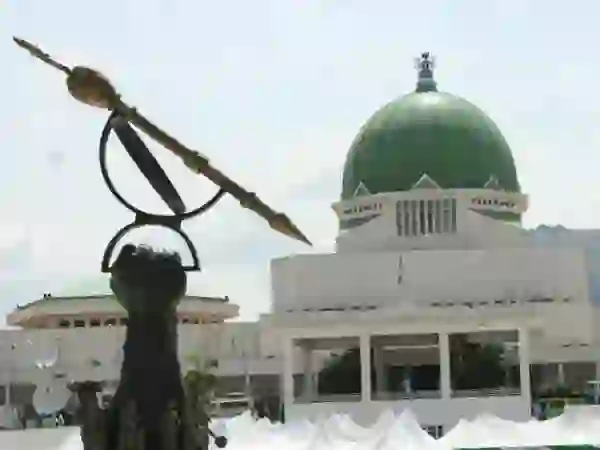
The National Assembly has announced plans to translate Nigerian laws into Igbo, Hausa, Yoruba and other indigenous languages as part of efforts to digitise parliamentary records and improve public access to legislative information.
The Executive Secretary of the National Assembly Library Trust Fund, Henry Nwawuba, announced this on Monday in Abuja at the opening of the 2026 National Assembly Library Week, themed “Parliamentary Memory: Connecting Records, Legislation and the People.”
Nwawuba said the three-day event is aimed at promoting legislative research, access to information and better use of the library’s resources.
He described the library as the legislature’s knowledge infrastructure and a repository of key parliamentary records, including Order Papers, Votes and Proceedings, committee reports and Acts of the National Assembly.
According to him, the Trust Fund is investing in electronic repositories, upgrading the library’s E-Library and developing a mobile application to give lawmakers, staff, researchers and the public easier access to legislative information.
He also disclosed plans for a Bills Tracker, which will allow users to monitor bills and follow their progress through the legislative process.
Nwawuba added that the library is producing infographics, audiovisual materials and video explainers to simplify bills, Acts and legislative procedures.
He said translating laws into indigenous languages would help more Nigerians understand legislation that affects their daily lives.
The library, he added, will also hold public policy dialogues to encourage citizen participation in public hearings and promote engagement among legislators, researchers and the public.
Senate President Godswill Akpabio, represented by Senator Osita Ngwu, urged lawmakers to make greater use of the library, especially amid rising misinformation, disinformation and rapid advances in artificial intelligence.
Speaker of the House of Representatives, Abbas Tajudeen, represented by the House Leader, Julius Ihonvbere, also stressed the need to preserve legislative records for future generations.
The Clerk to the National Assembly, Kamoru Ogunlana, said the legislature cannot be truly independent without the ability to generate, preserve, retrieve and authenticate its institutional knowledge.
He cautioned that digitising parliamentary records also brings risks such as cyberattacks, manipulation and impersonation, and called for stronger cybersecurity, digital preservation and authentication systems.
Ogunlana said the library must evolve from a document repository into an institution where parliamentary knowledge is preserved, authenticated and made accessible to lawmakers, researchers, journalists, civil society organisations, students and the general public.
READ ALSO:







Court Sets Date To Deliver Judgement On Suit Seeking To Disqualify Yahaya Bello As APC Senatorial Candidate

“Islamize or Perish”: Over 100 Christian Women and Children Still Held After 132 Days in Boko Haram Captivity

N1.35 Billion Moved Through NEPAD Nigeria Staff Personal Bank Accounts With No Accounting For Where It Went Under CEO Princess Gloria Akobundu

Sterling Holdings Faces Questions Over ₦75bn Fund, ₦24bn–₦43bn Shareholding Trail Linked to Chairman Yemi Adeola

FUTA Under Vice-Chancellor Adenike Oladiji Spent ₦49.8 Million on External Lawyers Without Required Attorney-General Approval

NECO: ₦5.8bn Irregularities Exposed in 2024 Financial Records Under the Leadership of Professor Ibrahim Dantani Wushishi

“We Are Not Aware Of Any Supreme Court Judgment Barring Pantami” — Gombe PDP Insists Ex-Minister Can Contest Fresh Primary

U.S. State Department Confirms TruthNigeria’s Findings on Plateau Massacres, Pledges Protection for Christians

Special Report: N4.18 Billion of Nigeria’s Money Left Aso Rock In 2025 To Unknown Account And Nobody Knows Where Yet

“If your tribe can’t give you a better life…” – Laide Olabanji drums support for Peter Obi ahead of 2027 election

Germany warns Nigerians against paying agents for visa appointments

Alleged fake agency DG Adeniyi Adeyemi arraigned over alleged forgery, others

National Assembly To Translate Nigerian Laws Into Igbo, Hausa, Yoruba

Messi to join Argentina camp – Coach Lionel Scaloni

‘He Has Several Wristwatches’ – Afegbua Accuses Peter Obi Of False Lifestyle

Sokoto lawmaker criticises Tinubu govt over development, insecurity

FG Declares October 1 Public Holiday for Nigeria’s 66th Independence Anniversary

Oshiomhole: Atiku once lectured me on why fuel subsidy must go, now he wants it back

Lady reportedly drops out of Nursing school after her mum demands $400 weekly to watch her kids

FCT Minister Wike Vows to Resign From Tinubu’s Cabinet Over 2027 Election

 Politics22 hours ago
U.S. State Department Confirms TruthNigeria’s Findings on Plateau Massacres, Pledges Protection for Christians
- News21 hours ago
₦10.5 Billion Road To Nowhere And ₦294 Million In Private Accounts: The Agriculture Ministry Scandal Headed by Sabo Nanono
- Viral19 hours ago
“I’m not saying that I’m…” — Apostle Arome Osayi breaks silence over “Nigeria’s revival calling” controversy
- Viral14 hours ago
“Is this how you will kpai like mumu?” — Isaac Fayose blasts Tinubu’s supporters over ₦1,500/litre fuel
- Viral24 hours ago
Kamo’s mother breaks silence on Funke Akindele’s absence from movie premiere, speaks on their alleged fallout
- Viral17 hours ago
Caucasian woman calls out popular network provider over poor coverage, claims it’s affecting her marriage
- Metro9 hours ago
“Introducing AI Into A System Yet To Account For Existing Failures Is Not Electoral Reform” — Obidient Movement Rejects INEC’s 2027 Plan
- News7 hours ago
Nigerian Embassy In Ankara Moved ₦503 Million Between Budget Lines Without Approval, Federal Review Finds