Metro
Insurance Industry Needs Stronger Capital, Innovation To Survive Emerging Risks — NAICOM

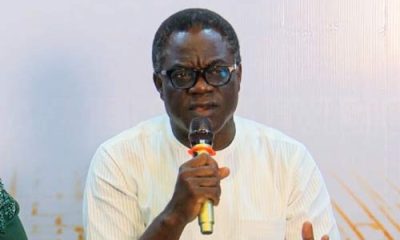
The National Insurance Commission (NAICOM) has called for stronger capitalisation, improved technology, sound governance and greater insurance inclusion to build a more resilient insurance industry in Nigeria. Commissioner for Insurance and Chief Executive Officer of NAICOM, Olusegun Ayo Omosehin, made the call while delivering the keynote address at the 2026……
The National Insurance Commission (NAICOM) has called for stronger capitalisation, improved technology, sound governance and greater insurance inclusion to build a more resilient insurance industry in Nigeria.
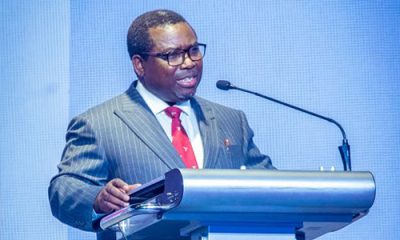
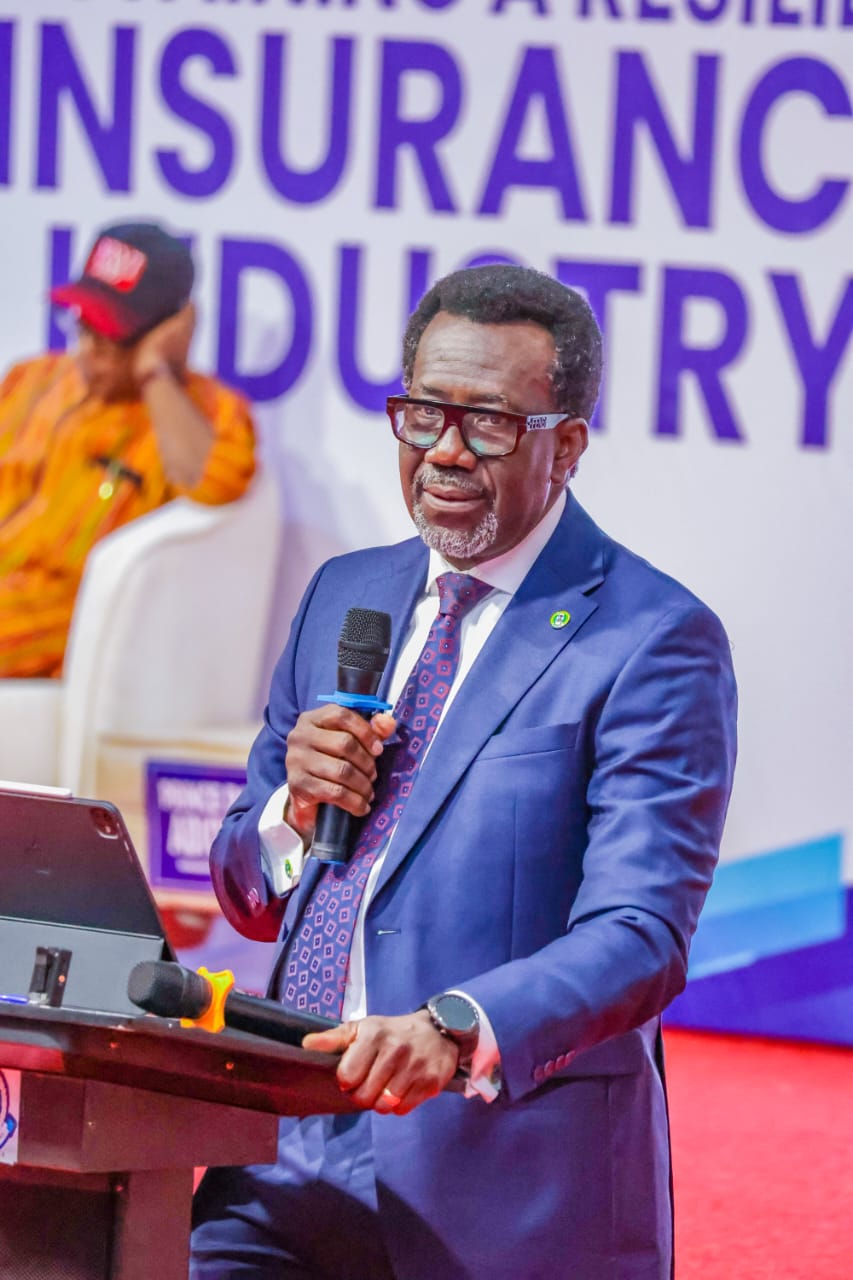
Commissioner for Insurance and Chief Executive Officer of NAICOM, Olusegun Ayo Omosehin, made the call while delivering the keynote address at the 2026 Insurance Professionals’ Forum in Abeokuta, Ogun State.
The forum, organised under the theme, “The Economics of Risk: Sustaining a Resilient Insurance Industry,” focused on the changing nature of risks facing the insurance sector and the need for the industry to adapt.
Omosehin said economic volatility, climate-related disasters, technological disruption, cyber threats, demographic changes and geopolitical uncertainties were reshaping traditional insurance models.
He said Nigeria’s insurance industry was also at a “historic inflection point” following recent regulatory reforms, particularly the implementation of the Nigeria Insurance Industry Reform Act (NIIRA) 2025.
READ ALSO: NAICOM Launches Insurance Sector Strengthening Programme To Deepen Coverage, Build Trust
According to him, insurance plays a critical role in economic development by protecting households and businesses, mobilising long-term savings, supporting investment and enabling economic activities to continue despite uncertainty.
“Insurance is far more than financial service. It is a strategic instrument for economic stability. It is the institutional mechanism through which societies transform uncertainty into confidence and convert vulnerability into resilience,” Omosehin said.
The NAICOM chief said the changing risk environment required insurers to move beyond reliance on historical data and adopt modern tools such as predictive analytics, scenario modelling, climate intelligence and enterprise risk management.
He noted that climate change had altered catastrophe patterns, while cyber threats had become strategic risks capable of disrupting businesses and critical infrastructure.
Omosehin said the COVID-19 pandemic had also demonstrated that modern risks could transcend sectors and national borders, making institutional agility, sound governance and operational preparedness essential to building resilience.
On regulation, the commissioner said the implementation of NIIRA 2025 marked the beginning of a new phase for the Nigerian insurance industry rather than the end of ongoing reforms.
“Our vision is clear: to build a financially sound, professionally driven, technologically enabled, well-governed, and consumer-focused insurance market capable of supporting Nigeria’s economic aspirations,” he said.
He identified policyholder protection, financial soundness, corporate governance, market conduct, innovation, insurance inclusion and market stability as key pillars of the commission’s regulatory approach.
Omosehin also highlighted the ongoing recapitalisation of the industry, saying the exercise was designed to strengthen insurers’ capacity to retain larger risks, improve claims settlement, invest in technology and compete effectively.
He said the success of recapitalisation should not be measured only by the size of insurers’ balance sheets.
“The true measure of recapitalization therefore lies not in balance sheet expansion alone, but in the creation of stronger, more resilient institutions capable of delivering sustainable value to policyholders and the broader economy,” he said.
The NAICOM boss said public confidence remained critical to the survival of the insurance industry, stressing that insurers must prioritise ethical leadership, transparency, accountability and prompt settlement of genuine claims.
“At the heart of insurance lies a simple but profound reality: insurance is a promise,” Omosehin said.
“Trust therefore constitutes the industry’s most valuable asset. No amount of capital, technology, or regulation can compensate for a deficit of trust.”
He said the Insurance Policyholders’ Protection Fund established under NIIRA 2025 would provide an additional safety net in cases involving insurer distress.
Omosehin further urged insurance companies to embrace artificial intelligence, machine learning, predictive analytics, blockchain, geospatial intelligence and digital platforms to improve underwriting, claims processing, fraud management and customer engagement.
“The future will not necessarily belong to the largest insurers, but increasingly to the most adaptive insurers,” he said.
He also called for greater investment in professional development, saying the increasing complexity of risks required insurance practitioners with skills in areas including data analytics, cybersecurity, climate risk assessment, governance and enterprise risk management.
On insurance penetration, Omosehin said millions of Nigerians remained uninsured or underinsured, describing the protection gap as both a developmental challenge and an opportunity for the industry.
He urged insurers to expand microinsurance, agricultural insurance, inclusive health protection and technology-enabled distribution systems to underserved Nigerians.
“Insurance products must become more affordable, more accessible, more understandable, and more responsive to the realities of Nigerian consumers,” he said.
Omosehin said building a resilient insurance industry required collaboration among insurers, reinsurers, brokers, regulators, technology providers, policymakers, professional bodies, development partners and consumers.
He urged stakeholders to position insurance as a strategic driver of Nigeria’s economic transformation rather than merely a mechanism for compensating losses.
“Let us position insurance, not merely as a mechanism for indemnification, but as a strategic catalyst for Nigeria’s economic transformation and sustainable development,” he said.


Fatal Bayelsa clash: Monarch clears Nembe E&P, questions link to land acquisition – The Witness Nigeria

US elections: Same cabal ousted Jonathan, installed Buhari, unleashed Boko Haram in Nigeria – Ex-Mayor

They Want To Persecute Me – Karimi Reacts To Court Judgement Sacking Him As Kogi West Senatorial Candidate

Lafia Presidential Rally: RELAX DG Ahmed Bala leads members to campaign flag-off, highlights Tinubu’s North-Central projects

Namibia President hails Dangote’s $2.5bn investment as historic milestone for African industrialisation – The Witness Nigeria

Lower impairments, higher fees raise Access Holdings 9 months 2026 PBT to N667.4bn – The Witness Nigeria

PSC fires three senior officers, demotes 16, sanctions 23 others over misconduct – The Witness Nigeria

JUST IN: Court removes David Mark-led ADC leadership, nullifies Atiku’s presidential ticket – The Witness Nigeria

LAKURAWA TERRORISTS REPORTEDLY MOVING TOWARD MABURYA VILLAGE AS 21 COMMUNITIES FLEE ATTACKS IN NIGER STATE

“I Drove A Taxi To Pay For My Education” — Tinubu Recalls U.S. Struggles, Highlights ₦372bn Student Loans

Suspected bandits take over eight Taraba communities, restrict residents’ movement

Rivers: Your Son Cannot Win – Wike Warns Lulu-Briggs Kinsmen

Ben Emma Blasts IYC President Doubra Okotete Over Alleged Hypocrisy, Silence on Missing Ijaw Men

‘Mr Barefaced Hypocrite’ – Presidency Calls Out Obi Over Past Comments on ADC Crisis

Retirement: Piers Morgan lists Cristiano Ronaldo’s greatest achievements with Portugal

NDC Sends Message To Judiciary Over Ruling Sacking Mark-led ADC Leadership

NPFL: Kun Khalifat vs Kano Pillars gets new kick-off time

2027: “Will of Nigerian people must prevail” — Peter Obi calls for global support

“Fix Hospitals Before Threatening Doctors With Jail” — NARD Demands Withdrawal Of Senate’s Emergency Care Penalties

ADC Court Ruling: ‘Atiku Will Survive’ – Former Governor, Osunbor

 Politics6 days ago
Over 200 Boko Haram Terrorists Are Moving To Attack Military Camp In Buni Yadi As Rockets Target Troops; IED Threat Raises Travel Concerns
- Metro5 days ago
“The Election Must Hold As Scheduled” — INEC Chairman Rules Out Postponement Of 2027 General Elections
- Metro5 days ago
“Publishing His Name Is Subject To The Final Outcome Of A Court Order” — INEC Leaves Gwarzo Off Updated Kano Governorship List
- Metro6 days ago
“Ebola Outbreak Is Not Yet Under Control” — Africa CDC Warns As Confirmed Cases Exceed 10,200, Death Toll Surpasses 5,000
- Metro6 days ago
“Death Benefits Will Be Fully Paid To Next Of Kin” — NAF Pledges Continued Salaries For Personnel Killed In October 5 Aircraft Crash
- Metro5 days ago
“Sowore’s Whereabouts Remain Unknown” — Armed Men Allegedly Abduct AAC Presidential Candidate In Ado-Ekiti, Damage Vehicles And Restaurant
- Metro5 days ago
“They Beat Me Like A Criminal” — Sowore Recounts Ekiti Attack As Govt Denies Involvement, Calls For Police Investigation
- Metro6 days ago
“We Know What They Did And How They Did It, But I Don’t Know Why” — INEC Reveals Findings On AI-Generated Photos In Voters’ Register