Politics
Governor Eno’s ₦10m Akara Revelation Puts Remi Tinubu’s ‘Start

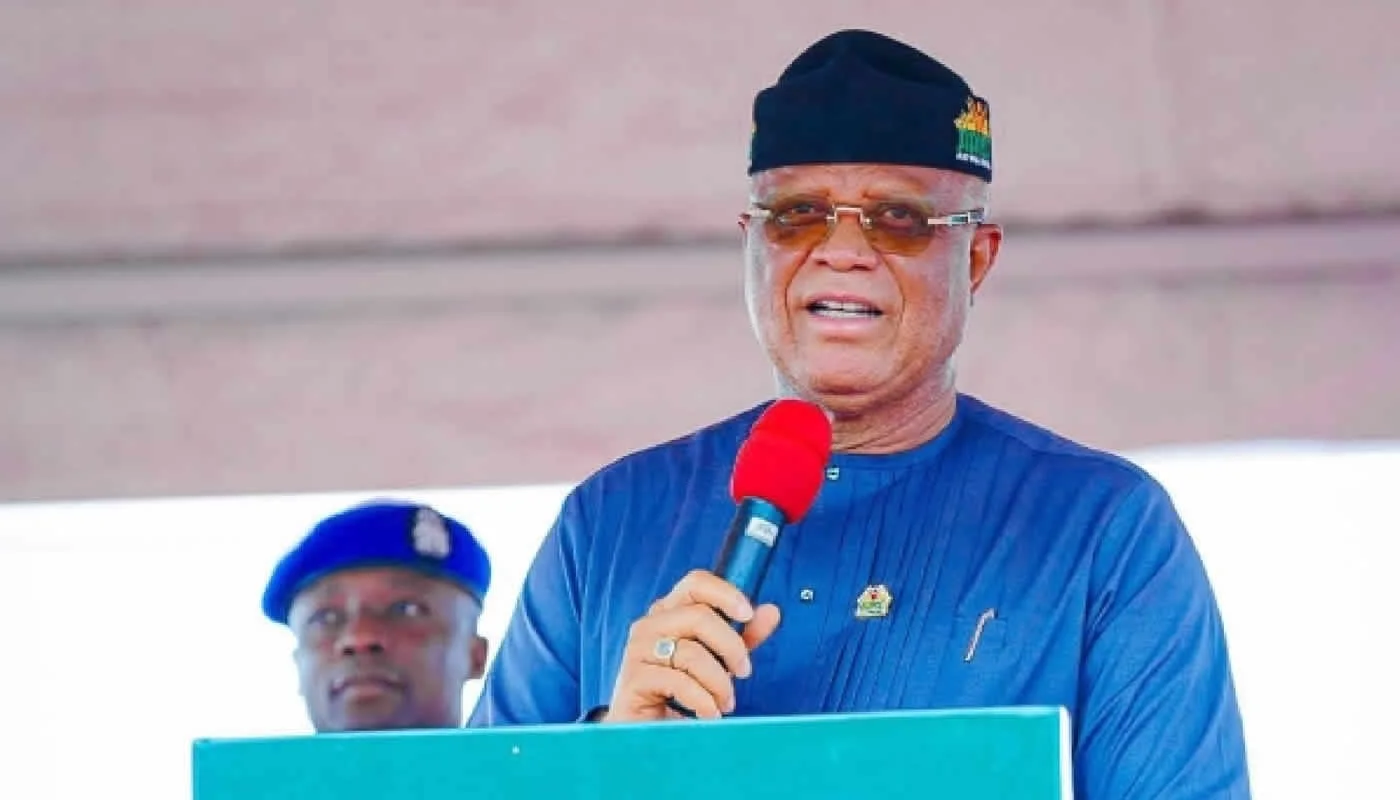
Akwa Ibom State Governor, Umo Eno, has sparked renewed debate over entrepreneurship and economic hardship after revealing that he once made not less than ₦10 million monthly from selling akara and bread.
Eno, while recounting his entrepreneurial experience, said he ventured into the sale of akara, bread and akara burgers, while also operating a coffee shop.
He explained that workers heading to their offices, including employees of ExxonMobil, were among his regular customers, buying akara and bread in the morning alongside coffee.
“That akara business and that bread used to give me not less than ten million naira, not less than that,” Eno said.
The governor’s revelation has now given fresh relevance to comments made earlier this year by First Lady, Oluremi Tinubu, when she encouraged Nigerians to consider small businesses such as akara, roasted corn and kuli-kuli.
Mrs. Tinubu had said the businesses could be started with relatively little capital while speaking about grants being provided to vulnerable Nigerians through the Renewed Hope Initiative.
Her remarks subsequently attracted criticism from Nigerians who felt that the advice did not adequately reflect the economic pressures facing households.
Eno’s account, however, presents a strikingly different angle to the debate.
While some Nigerians criticised the First Lady for mentioning akara as an option for people struggling economically, the governor’s personal experience suggests that a seemingly modest food business can, under certain circumstances, become a substantial commercial venture.
But the revelation also raises another question: what exactly did Eno mean by ₦10 million?
If the amount represented profit, it would translate to roughly ₦333,000 per day over a 30-day month. If it represented turnover, however, the business would still have had to cover the cost of beans, oil, bread, coffee, labour, rent, transportation and other expenses.
The distinction is important because ₦10 million in sales is considerably different from ₦10 million in take-home profit.
The timing of Eno’s revelation is also likely to fuel the argument over whether Nigerians should simply be encouraged to embrace petty trading or whether government should focus more heavily on creating an environment in which small businesses can scale.
Critics of Mrs. Tinubu’s earlier remarks argued that Nigerians need more than advice to start informal businesses, pointing instead to the cost of living, unemployment, inflation, infrastructure and access to affordable financing.
Supporters, on the other hand, have argued that there is nothing inherently demeaning about akara, roasted corn or other informal businesses and that many successful Nigerian entrepreneurs started from humble ventures.
Eno’s story appears to strengthen that latter argument, although his reported earnings also raise a difficult question about scale.


2027: Nigerians Would Have Known Him For Four Years – ADC Spokesperson Reveals How Atiku Will Defeat Tinubu

Evening recap: Tinubu targets $1tn economy, police rescue NYSC members, IPOB threatens 2027, other top stories

Private Business Claims Linked to Permanent Secretary John Chidiebere Ezeamama in Violation of Code of Conduct for Civil Servants – Secrets Reporters Nigeria

Backlash as Governor Oborevwori Allegedly Distributes Billions to Council Chairmen, Vice, Councilors Amid Economic Hardship
Atiku’s Absence At Coalition Talks For Single-candidate Should Not Be Interpreted As Boycott – Phrank Shaibu

You’ll get lawsuit – Abati, Rufai clash on live TV over comment against presidential candidate [VIDEO]

Tinubu’s Old Certificate and U.S. Forfeiture Controversies Resurface Ahead of Nigeria’s 2027 Election

“My baby come use English explain give this people” – Hilarious moment Peller calls Jarvis to defend him during tiktok live dispute

Transfer deadline: Enzo completes City move, Chelsea loan Sanchez, Mudryk, Fofana joins Sunderland, others

“For over 30 years” – Lady who received ₦1M from Peller reveals amount she gave her mother for business support in 2024

UPDATED: Fubara signs N1.84tn Rivers 2026 budget into law

Keyamo Receives ‘Minister Of The Decade’ Award At Daily Times Centenary Celebration

Trump claims U.S. banks cannot operate in Canada. That's not true

Kaduna IGR rises to N85bn under gov Uba Sani — Official

UI Introduces Master’s Programme in Election Administration

Ireland must prepare for Northern Ireland reunification vote, foreign minister says

Trump raises doubts over support for Britain in Falklands dispute with Argentina

Katsina Strike Tests Nigeria’s Progress Against Bandit-Terrorists Before Elections

FG Picks 5 States, FCT For Pilot National Ranching Programme
Trump turns to a dual economic and military approach in latest attempt to squeeze Iran

 Headlines11 hours ago
You’ll get lawsuit – Abati, Rufai clash on live TV over comment against presidential candidate [VIDEO]
- News7 hours ago
Exclusive: How NSIA MD Aminu Umar-Sadiq Started Assets Construction Project With N363 Million And Jumped To N44.8 Billion In One Year – Part 1 – Secrets Reporters Nigeria
- News18 hours ago
A Satellite Agency Building Roads And Community Halls: Inside MD Jane Egerton-Idehen N2236 Million Mandate Violation At NIGCOMSAT – Secrets Reporters Nigeria
- Headlines5 hours ago
Electricity: Nigerian university campuses will be taken off national grid — Education Minister Alausa
- News10 hours ago
Cash In Hand: The Multi Million Naira Olubunmi Tunji-Ojo Federal Ministry Of Interior Money Paid Directly To Individual Staff Accounts Without Vendors – Secrets Reporters Nigeria
- Metro10 hours ago
“Politics Is My Business” — Ebonyi LG Chairman Threatens Political Opponents After Nwifuru Warns Chairmen Against Losing Their Councils

 World23 hours ago
U.S. energy secretary approves ‘3 large corporate deals’ in Venezuela, feels hopeful about NABEP deal
 Special Report7 hours ago
Travellers who arrive in Ghana with more than two mobile phones may have their additional devices treated as commercial import