News
Firm advances DRC copper exploration after drill results

US-listed explorer, Copper Intelligence Inc., is advancing its copper exploration and development projects in the Democratic Republic of Congo following promising initial drilling results from its Butembo Copper Project.
According to drill-core data released by the firm during the Clean Energy & Metals Virtual Investor Conference in August, the initial six-hole drilling programme confirmed a strong near-surface copper mineralisation profile. This included 7.55 metres at 5.39 per cent copper from the surface, while extending the known mineralised structure to over 300 metres along strike.
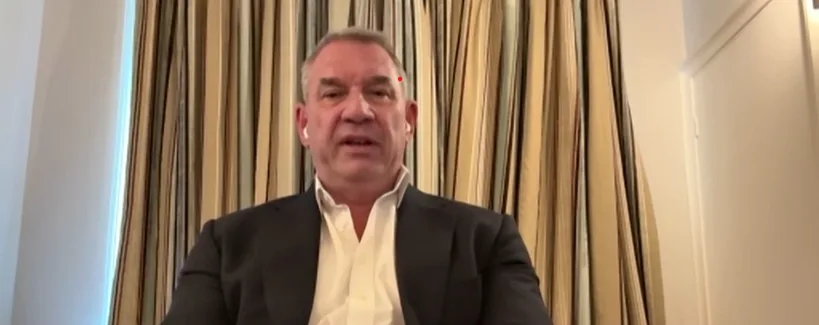
Speaking in an interview on CNBC Africa’s Power Lunch East Africa, the Chairman of Copper Intelligence, Andrew Groves, confirmed that the firm expects to release another six drill results this week. He noted that the mineralised strike length now extends to about 1,400 metres, with the potential to widen the mineralised zone to roughly 75 to 100 metres.
“We are very excited about the copper grades so far. The first six holes have proved up what we thought all along. We get grades of five per cent, 18 per cent, and 30 per cent, but when you composite over each of the holes, we are running at about 2.96 per cent of the 16 metres each hole,” Groves said.
“And the good news is that we will be announcing the next six holes this week, which seem to be not too dissimilar to the last six. We have extended the strike length to about 1,400 metres, which we are very pleased about.”
The executive added that Copper Intelligence sees scope to extend the system further, potentially towards 7 to 8 kilometres of strike, alongside a wider ore body.
He explained that while the company initially worked with an estimated width of about 25 metres, recent angled holes along the strike suggest a width of 75 to 100 metres.
“So, this can potentially be a world-class deposit going forward. Obviously, there is a lot of work that needs to be done between now and then, but as I said, we are very excited about it all—good grades, near surface, big open pit, and good access for exports,” he added.
Elaborating on export logistics, Groves noted that the project sits roughly 30 to 40 kilometres from the Ugandan border, offering road transport access into Uganda to easily move output down to the Port of Mombasa for export.
He added that eastern Congo offers surplus power, which could prove strategically important if the company eventually builds processing capacity, such as a Solvent Extraction-Electrowinning plant or smelting infrastructure.
Addressing potential investor security concerns regarding eastern DRC, Groves expressed confidence in current operating conditions, citing collaboration between the Congolese and Ugandan governments to secure the region and neutralise insurgents.
“Not too far from our exploration camp is a Ugandan military base. So, we are very secure from a safety standpoint with them there,” Groves said.
“From a power point of view, we are in good shape; from a logistics point of view, we are in good shape; and regarding security, we are very comfortable with the Uganda People’s Defence Force doing a fantastic job there,” he added.
Groves argued that Butembo stands out because eastern DRC has historically been known for coltan, tantalum, niobium and gold rather than large-scale copper production. He noted that this gives the project an infrastructure advantage over the traditional Katanga copper belt, where power constraints frequently hamper mining operations.
Although Copper Intelligence remains in the exploration stage, Groves noted rising confidence as drilling progresses. The firm has commenced hole 13 and expects to complete three additional holes by next week, bringing the total to 15.
The new holes are being angled to better define both the width and strike continuity of the deposit, which Groves said strengthens the company’s understanding of the project’s economic viability.
Highlighting the structural drivers for the commodity, Groves said, “There is just not enough copper in the world,” citing global electrification, data centre expansions, defence spending and electric vehicle production as key drivers for what he termed “the new oil,” particularly against the backdrop of declining grades at major existing mines.





You’ll get lawsuit – Abati, Rufai clash on live TV over comment against presidential candidate [VIDEO]

Electricity: Nigerian university campuses will be taken off national grid — Education Minister Alausa

2027: Nigerians Would Have Known Him For Four Years – ADC Spokesperson Reveals How Atiku Will Defeat Tinubu

Backlash as Governor Oborevwori Allegedly Distributes Billions to Council Chairmen, Vice, Councilors Amid Economic Hardship

Exclusive: How NSIA MD Aminu Umar-Sadiq Started Assets Construction Project With N363 Million And Jumped To N44.8 Billion In One Year – Part 1 – Secrets Reporters Nigeria

“My baby come use English explain give this people” – Hilarious moment Peller calls Jarvis to defend him during tiktok live dispute

Cash In Hand: The Multi Million Naira Olubunmi Tunji-Ojo Federal Ministry Of Interior Money Paid Directly To Individual Staff Accounts Without Vendors – Secrets Reporters Nigeria

“For over 30 years” – Lady who received ₦1M from Peller reveals amount she gave her mother for business support in 2024

Nigerian Christians Warn of Political Exclusion as Nasarawa’s Ruling Party Selects All‑Muslim Slate for 2027

“Politics Is My Business” — Ebonyi LG Chairman Threatens Political Opponents After Nwifuru Warns Chairmen Against Losing Their Councils
Bauchi: Troops arrest driver as NURTW members allegedly assault soldier

“If it reach their turn…” — Yahoo boy’s kindness to girlfriend’s family ends in hospital

2027: Wike not deceiving himself, he injured Atiku, Peter Obi too much – Lere Olayinka

Musa Accuses El-Rufai of Deliberate Southern Kaduna Killings

ISWAP suffers major blow as troops ambush, neutralise terrorist in Yobe

IDU Youth Wing Crisis: Joel Omeni Rejects Suspension

Miyetti Allah seeks Tinubu’s intervention over detained leader

Meloni’s Government Becomes Italy’s Longest-Serving Since Republic Was Founded

In Iranian town, a wedding shattered by deadly strike during US air attack

“I’ve been forming strong girl”

 Headlines21 hours ago
You’ll get lawsuit – Abati, Rufai clash on live TV over comment against presidential candidate [VIDEO]
- Headlines15 hours ago
Electricity: Nigerian university campuses will be taken off national grid — Education Minister Alausa
- News17 hours ago
Exclusive: How NSIA MD Aminu Umar-Sadiq Started Assets Construction Project With N363 Million And Jumped To N44.8 Billion In One Year – Part 1 – Secrets Reporters Nigeria
- News20 hours ago
Cash In Hand: The Multi Million Naira Olubunmi Tunji-Ojo Federal Ministry Of Interior Money Paid Directly To Individual Staff Accounts Without Vendors – Secrets Reporters Nigeria
- Politics12 hours ago
Nigerian Christians Warn of Political Exclusion as Nasarawa’s Ruling Party Selects All‑Muslim Slate for 2027
- Metro20 hours ago
“Politics Is My Business” — Ebonyi LG Chairman Threatens Political Opponents After Nwifuru Warns Chairmen Against Losing Their Councils
- News19 hours ago
N2.05bn Customs Audit Bombshell: N1.94bn Taxes Unremitted, N103.5m Legal Fees Questioned Under Hameed Ali – Secrets Reporters Nigeria
- News9 hours ago
₦1.37 Trillion Unrecovered: The Auditor General’s Report That Put Governor Yemi Cardoso Central Bank On Trial – Secrets Reporters Nigeria