World
Russia’s role in Middle East politics endures, shifts to being ‘secondary power’

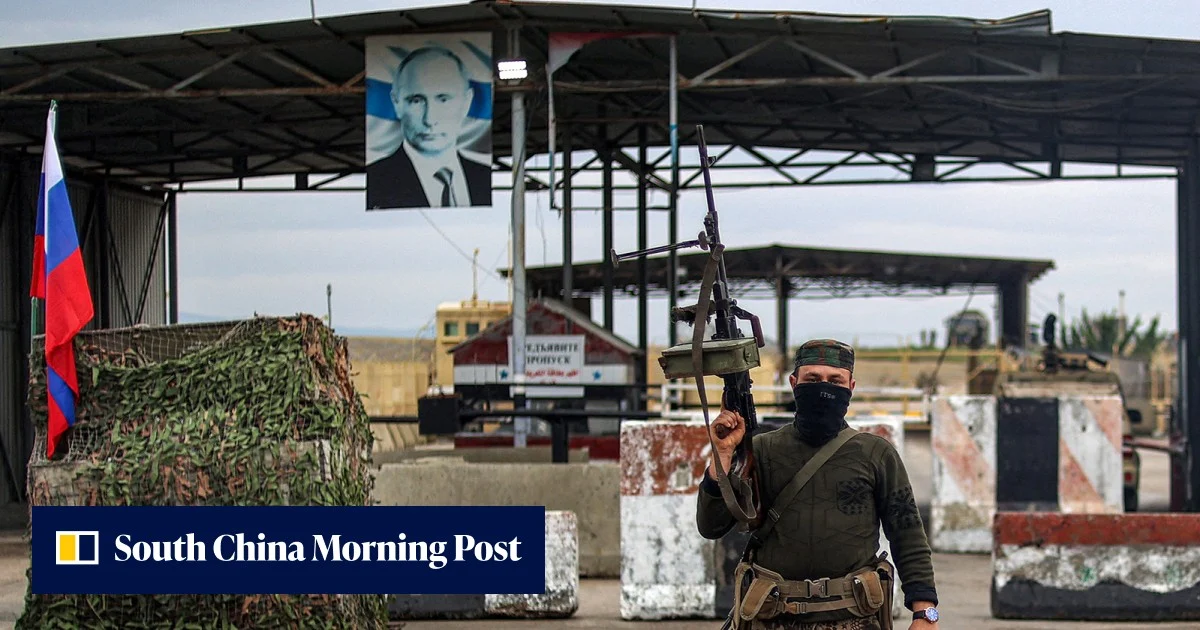
At the time, Moscow operated about 100 military facilities in the war-torn country, following its intervention in the Syrian civil conflict from 2015 to prop up then president Bashar al-Assad in alliance with Iran and its regional proxies.
According to a deal announced by the Syrian foreign ministry on Sunday, Russia’s only two official military bases outside the former Soviet Union would be turned into “joint training and capacity-building centres, within new arrangements that preserve mutual interests”.
No further details were given, but Russian military contingents would reportedly remain at both facilities under the new arrangement.


Federal Energy Centre at UNILAG Under Scrutiny Over ₦29.8m Procurement and Financial Irregularities – Secrets Reporters Nigeria

Izeze Remains High-Spirited, Pays Fines for Inmates at Warri Custodial Centre – Secrets Reporters Nigeria

EXCLUSIVE: SecretsReporters Uncover Unaccounted ₦75m Cash Advance in Hannatu Musa Musawa’s Ministry – Secrets Reporters Nigeria

‘Dapper, your cup don finally full’ – Singer T.I Blaze questions music executive over N1.2bn royalties

“Legal Education Extends Beyond The Classroom” — Obra Foundation Interns Visit Enugu CP, Gain Insights On Policing, Leadership

NNPC Spends ₦393.45m on Three-Years Office Rent for NNPC Board Accommodation Under the Leadership of Bala Wunti in NAPIMS – Secrets Reporters Nigeria

“If they ask for money, call IGP” – Police officer warns Nigerians against paying for bail, shares complaint numbers

“I returned your ₦5m birthday money” – Diadem calls out Dabota Lawson, alleges she uses bloggers to attack people
“Legal Education Extends Beyond The Classroom” — OBRA Legal Foundation Interns Visit Enugu CP, Gain Insights On Policing, Leadership

“You charged me ₦7m, but quoted ₦5m for someone else” – Man calls out friend over solar deal betrayal

Abiodun saves Buhari Estate from forfeiture, delivers 108 homes
Abiodun saves Buhari Estate from forfeiture, delivers 108 homes

Benue attacks: Govt failed Otukpo-Nobi, Efeyi-Ugboju – Peter Obi
Benue attacks: Govt failed Otukpo-Nobi, Efeyi-Ugboju – Peter Obi
Benue attacks: Govt failed Otukpo-Nobi, Efeyi-Ugboju – Peter Obi

Gombe varsity ASUU withdraws from duties over salary reduction

Tinubu’s certificate: Peter Obi also an illiterate – Raimi
Tinubu’s certificate: Peter Obi also an illiterate – Raimi
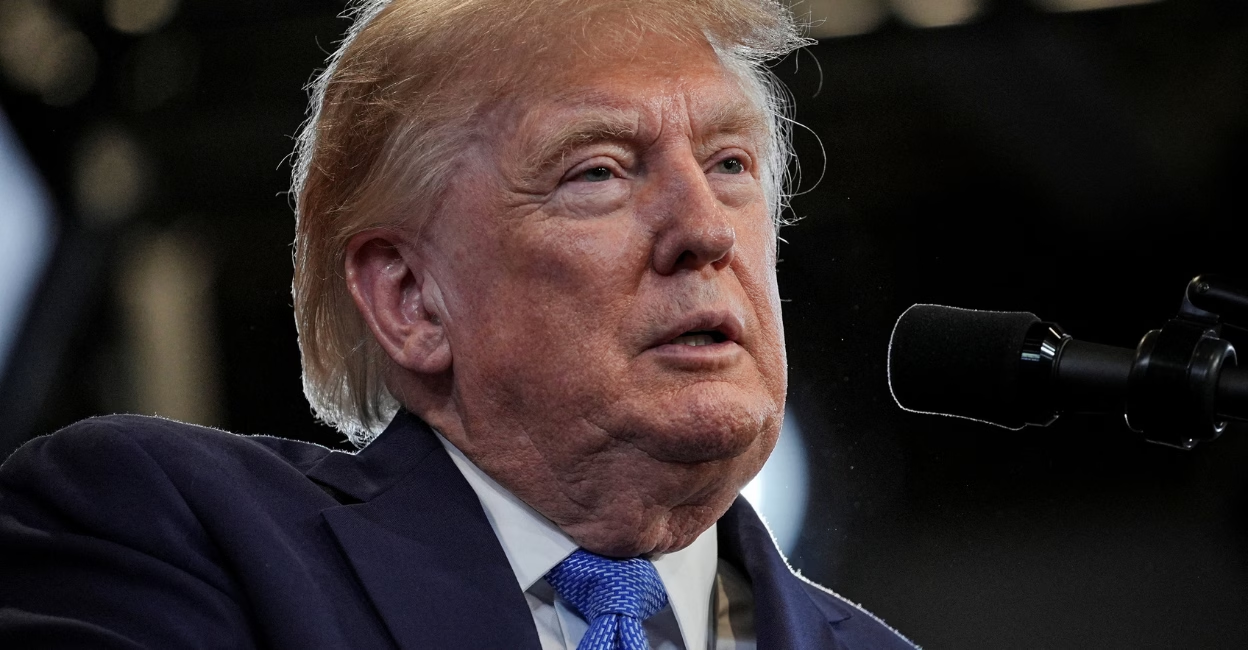
Iran defiant on Strait of Hormuz as Trump tells Americans to accept high gas prices

EPL: Martin Keown tells Arsenal position to strengthen this summer

 Headlines15 hours ago
‘Dapper, your cup don finally full’ – Singer T.I Blaze questions music executive over N1.2bn royalties
- News21 hours ago
EXCLUSIVE: SecretsReporters Uncover Unaccounted ₦75m Cash Advance in Hannatu Musa Musawa’s Ministry – Secrets Reporters Nigeria
- Politics13 hours ago
Kidnapped Christian Worshipers in Southern Nigeria Describe Weeklong Torture by Fulani Terrorist Gang
- Metro19 hours ago
Tinubu Calls For Peaceful Election In Osun, Charges Security Agents To Protect Voters, INEC Officials
- Politics12 hours ago
Akwa Ibom Governor Commits To Operation Of Maintenance Facility At Victor Attah Airport, Expansion Of Ibom Air
- Entertainment20 hours ago
“Your social media noise put us in this mess” – Kidnapped businessman’s daughter accuses brother Jowizaza over ₦1.5bn ransom
- Entertainment14 hours ago
“I don’t want their money”- Peller shares why he intends to collaborate with Dangote, Femi Otedola and Bill Gates
- Politics11 hours ago
Adekunle Adebiyi: Abuja Move ‘One of Our Best Decisions’ As Squash In Diaspora Tournament Hits Semifinals