Metro
Atiku’s Aide Acusses Obasanjo Of Witchunt With Election Season Allegations

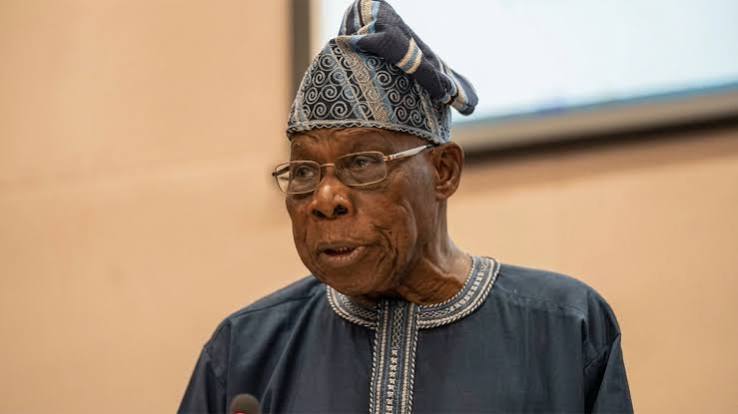
Media Adviser to former Vice President Atiku Abubakar, Paul Ibe, has accused former President Olusegun Obasanjo of engaging in what he described as a prolonged campaign of “lies, political manipulation and orchestrated deceit” against his former deputy. Ibe, in a statement issued on Sunday, August 9, 2026, said Obasanjo’s alleged……
Media Adviser to former Vice President Atiku Abubakar, Paul Ibe, has accused former President Olusegun Obasanjo of engaging in what he described as a prolonged campaign of “lies, political manipulation and orchestrated deceit” against his former deputy.
Ibe, in a statement issued on Sunday, August 9, 2026, said Obasanjo’s alleged campaign against Atiku had begun to collapse following fresh accounts challenging claims made by the former president.
He was reacting to Obasanjo’s July 23 allegation that Atiku mobilised the late former Speaker of the House of Representatives, Ghali Umar Na’Abba, to impeach him during their time in office between 1999 and 2007.
Ibe described the allegation as baseless, noting that Na’Abba, who died nearly three years ago, could no longer respond to the claim.
He cited former House Chief Whip Abubakar Bawa Bwari, whom he said was a major actor in the politics of the period, as contradicting Obasanjo’s account. According to Ibe, Bwari said Na’Abba never sought Obasanjo’s removal and maintained that Atiku acted as an envoy to lawmakers.
Ibe also disputed the narrative that Obasanjo knelt before Atiku to secure his support for a second term, citing former Abia State Governor Orji Kalu, who reportedly said in a 2003 video that Atiku knelt before PDP governors to secure their support for Obasanjo.
“Atiku knelt down, we were like 17 governors. He knelt down for us and said that he does not want to be disloyal to Obasanjo. That four years is like four days,” Kalu was quoted as saying.
According to Ibe, Kalu further disclosed that the PDP governors had been preparing to support Atiku for the presidency but that the former vice president declined to betray Obasanjo, whom he said had trusted him and given him the opportunity to serve.
Ibe also revisited the controversy surrounding the Petroleum Technology Development Fund (PTDF), alleging that Obasanjo used the matter to target Atiku ahead of the 2007 presidential election.
He said Atiku temporarily waived his immunity and appeared before the Senate panel investigating the allegations, insisting that the PTDF funds were secured in fixed deposit accounts and that the probe was politically motivated because of his opposition to Obasanjo’s alleged Third Term agenda.
The media aide cited the autobiography of the late Awujale of Ijebuland, Oba Sikiru Kayode Adetona, titled *Awujale*, to support his claims about the treatment of businessman Mike Adenuga during the PTDF controversy.
According to Ibe, Oba Adetona wrote that the Economic and Financial Crimes Commission (EFCC) arrested and questioned Adenuga in 2006 in what he described as an attempt to link the Globacom chairman to the PTDF funds allegedly associated with Atiku.
Ibe quoted Oba Adetona as writing that “there was really more beneath the veneer,” adding that the EFCC had allegedly sought to use Adenuga to implicate Atiku in the PTDF matter.
He further cited the former monarch’s account that Obasanjo later asked Adenuga to accompany him to Ota, where the then president solicited the construction of the administration block of Bells University.
Ibe said the account raised questions about Obasanjo’s alleged treatment of Adenuga, particularly after the businessman reportedly went into exile amid the EFCC investigation.
He quoted Oba Adetona as saying that Adenuga eventually returned to Nigeria after Obasanjo left office and that “nobody touched him and no institution has prosecuted him (till date) because there was no genuine reason from the onset for anybody to touch him.”
Ibe argued that the accounts cited in his statement contradicted what he described as Obasanjo’s longstanding attempts to portray Atiku negatively for political reasons.
He maintained that the former president had repeatedly raised allegations against Atiku during election periods, accusing him of using “corruption, betrayal and other sundry allegations” as political weapons.


“The child I lost might have transformed our family’s life” — Woman’s response after losing 12th baby leaves people speechless

JUST IN: Senators Complain Akpabio Collects A Bill And Approves It Without Even Debating In The House’ -Sani

“Why We Initially Denied Ayra Starr South African Visa” — Envoy Says Team Submitted Wrong Yellow Fever Certificate

Abiodun Hails APC National Chairman At 58, Says His Leadership Will Consolidate Party’s Electoral Fortunes

Osun Election: Adeleke Campaign Council Demands Redeployment of Police Commissioner, Alleges Partisanship

“Loan I Took For Girlfriend Almost Destroyed My Life” — Skit Maker Baami Says ₦30,000 Debt Grew To Over ₦300,000 After She Dumped Him

“Osun Guber: Police Arrest Commissioner Adejoorin Over Alleged Gun Attack On APC Rally” — APC, Accord Trade Accusations As Pre-Election Violence Claims 18 Lives

Peter PSquare: “Jude called your son a bastard and you didn’t break his teeth; I’m disappointed” — Ovie Success
“Tinubu’s VIP Police Withdrawal Order Faces Uneven Compliance” — Politicians, Businessmen Still Seen With Escorts Across States

“You dey bridal shower, hunger dey kill your husband” – Peller calls out wife Jarvis ahead of white wedding

Police To Host International Youth Day 2026, Launch Anti-Thuggery, Digital Responsibility Campaigns

He Won’t Grant Them Audience Without Media – PFIPC DG Brother Discloses Clash With Reps Panel

Ben Jones, ‘Dukes of Hazzard’ Actor and Congressman, Dies at 84

Osun Election: Omisore, Others Meet Akande, Review Campaign Strategy

Police Arrest Cleric, Air Force, Navy Personnel Over Alleged Plateau Kidnap Plot

You Should Have Left PDP For ADC – Okolugbo Tells Adeleke

Western Europe sets new temperature record amid brutal heatwaves

Real Madrid: Courtois opens up on Mourinho’s approach, working with ex-Chelsea boss again

EXPLAINER: How Super Falcons Can Still Qualify for 2027 Women’s World Cup

WAFCON 2026: Highest goalscorers ahead of semi-final fixtures [Top 10]

 Metro24 hours ago
“Osun Guber: Police Arrest Commissioner Adejoorin Over Alleged Gun Attack On APC Rally” — APC, Accord Trade Accusations As Pre-Election Violence Claims 18 Lives
- Entertainment12 hours ago
Peter PSquare: “Jude called your son a bastard and you didn’t break his teeth; I’m disappointed” — Ovie Success
- Metro23 hours ago
“Tinubu’s VIP Police Withdrawal Order Faces Uneven Compliance” — Politicians, Businessmen Still Seen With Escorts Across States
- News10 hours ago
Years of Promises, Budgets and an Abandoned Bridge: How Russau Residents Continue to Risk Their Lives Crossing A River – Secrets Reporters Nigeria
- Entertainment15 hours ago
“I was in court when Peter…” – Lady reveals what she witnessed during Okoye brothers’ case amid his recent revelations
- News9 hours ago
Four Years, Three Budgets, One Abandoned Promise: Inside Plateau’s Unfinished Mangu Bye Pass – Secrets Reporters Nigeria

 World7 hours ago
FBI Chief Kash Patel Plans Russia Trip In October Amid Ukraine Tensions, Agenda And Kremlin Meetings Unclear
- Metro5 hours ago
“NAF Airstrike Kills Nine ISWAP Fighters In Sambisa Forest” — Says Key Commander Abu Khalid Al Muhajir Neutralised In Precision Operation