Politics
Strait Of Hormuz: US Launches Fresh Airstrikes On Iran After Commercial Shipping Attacks

The United States has launched fresh airstrikes against targets in Iran following attacks on three commercial vessels transiting the Strait Of Hormuz, marking a sharp escalation in tensions in the Gulf and raising fresh concerns over global shipping and energy security.
Key Highlights
- US launches fresh airstrikes on targets in Iran.
- Washington says strikes were in retaliation for attacks on three commercial vessels in the Strait Of Hormuz.
- US Central Command (CENTCOM) accuses Iran of violating a reported ceasefire.
- Escalation raises concerns over global oil supplies and maritime security.
- Strait of Hormuz remains one of the world’s most strategic energy shipping routes.
In a statement posted on X, the US Central Command (CENTCOM) said the military operation was intended to impose “heavy costs” on Iran following what it described as attacks on international maritime traffic in one of the world’s busiest shipping corridors.
According to CENTCOM, the airstrikes were launched after three commercial ships navigating the Strait Of Hormuz came under attack, an incident the United States blamed on Iranian forces.
The command further accused Tehran of violating a ceasefire that reportedly came into effect on April 8, describing the attacks on commercial shipping as “unwarranted, dangerous, and a clear violation” of the truce.
Despite the reported ceasefire, tensions have remained high across the Gulf region, with repeated reports of attacks on merchant vessels and retaliatory military operations involving regional and international forces.
Read also:
Tuesday’s operation represents the first publicly announced US strike on Iran since a series of air raids conducted late last month, which Washington also said were carried out in response to threats against commercial shipping linked to Iranian-backed groups.
The latest military escalation has renewed international concern over security in the Strait Of Hormuz, a strategic waterway through which a significant proportion of the world’s crude oil exports and global energy supplies passes.
Analysts warn that any prolonged disruption in the shipping lane could affect international trade, increase oil prices and deepen geopolitical tensions across the Middle East.


“Any Algorithm Can Calculate, But It Cannot Care” — NMCN Registrar Warns Nurses Against Overreliance On AI

2027: ‘Peter Obi’s Logic Is Short-Term Turnover Unlike Tinubu Who Thinks Of Next Generation’ – Oshiomhole

‘Politics is expensive everywhere’ – Wike replies critics over high billboard cost in Abuja

“Not To Own It, But To Give It Another Chance At Life” — Foreigner Rescues Sea Turtle From Lagos Sellers As NESREA Faces Enforcement Questions

“Courts Must Guard Their Independence, Impartiality And Integrity” — NDC Warns After Atiku’s Candidacy Is Nullified

‘He’s closest to Lionel Messi’ – Rashford names player to win more Ballons d’Or than Cristiano Ronaldo

Power Outage: Tegbe assures Nigerians of swift restoration as electricity disruptions hit Lagos, Abuja

Investigate hijab controversy in Nigerian law schools immediately- MURIC to Council of Legal Education

Jesus de Miguel’s death: ‘He’d never intentionally hurt anyone’ – Owono’s team-mate defends goalkeeper

“Leadership Must Emerge Through Lawful Process, Not Imposition” — Bala Gombe Commends Justice Lifu Over ADC Judgment

2027 not war, shun thuggery- Fintiri tells youths

Release graduates’ results or risk youths being used as political thugs- Oye residents warn FUOYE

Kaduna NBA chairman loses daughter

Rivers: ‘You Did Not Campaign, Nobody Will Vote For You” – Wike Mocks Amaechi

Tinubu to Niger Republic leader: Nigeria stands with you

EPL: Okafor on target as Leeds halt Tottenham’s winning streak

Turkey: Galatasaray no longer dependent on Osimhen – Küçük

‘Atiku Is Intellectually Malnourished’- Shettima Fires Opposition Candidates

MILITARY, VIGILANTES ENGAGE OVER 100 SUSPECTED TERRORISTS IN MARIGA FOREST

Garba commends Governor Yusuf for appointing Bature Kano Information Commissioner

 Politics7 days ago
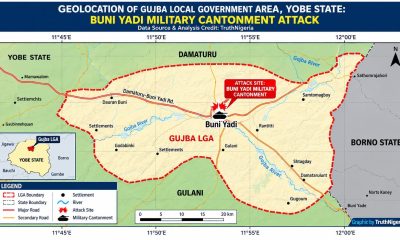
Over 200 Boko Haram Terrorists Are Moving To Attack Military Camp In Buni Yadi As Rockets Target Troops; IED Threat Raises Travel Concerns
- Metro7 days ago
“Publishing His Name Is Subject To The Final Outcome Of A Court Order” — INEC Leaves Gwarzo Off Updated Kano Governorship List
- Metro7 days ago
“The Election Must Hold As Scheduled” — INEC Chairman Rules Out Postponement Of 2027 General Elections
- Metro7 days ago
“Ebola Outbreak Is Not Yet Under Control” — Africa CDC Warns As Confirmed Cases Exceed 10,200, Death Toll Surpasses 5,000
- Metro6 days ago
“They Beat Me Like A Criminal” — Sowore Recounts Ekiti Attack As Govt Denies Involvement, Calls For Police Investigation
- Metro7 days ago
“Sowore’s Whereabouts Remain Unknown” — Armed Men Allegedly Abduct AAC Presidential Candidate In Ado-Ekiti, Damage Vehicles And Restaurant
- Metro7 days ago
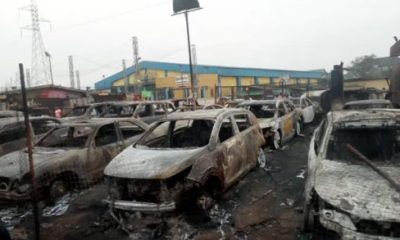
“21 Exotic Vehicles Affected, No Life Lost” — LASEMA Confirms Lagos Mechanic Workshop Fire, Averts Disaster At Nearby Filling Station
- Metro7 days ago
“We Know What They Did And How They Did It, But I Don’t Know Why” — INEC Reveals Findings On AI-Generated Photos In Voters’ Register