Society
Exploring University of Ibadan Zoological Garden: A look at its animals and current state

The visit to the University of Ibadan Zoological Garden began at the entrance, where information about admission fees and visitor regulations was displayed. The notice listed charges of ₦3,000 for adults and ₦2,000 for children and students with valid identification cards.
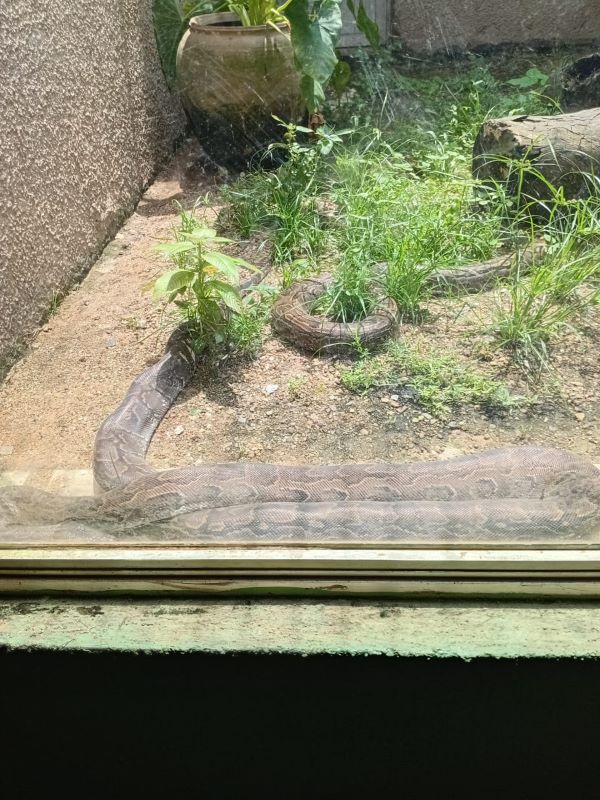
After passing through the entrance, the exploration continued to the reptile section, where different reptile species were observed. The section housed several snakes in glass enclosures alongside other reptiles, including the Nile crocodile, African rock python, African softshell turtle, monitor lizard and many others. The presence of these animals offered visitors an opportunity to observe different reptile species and learn about their characteristics, habitats and feeding habits.
Nile Crocodile (Crocodylus niloticus)
The Nile crocodile is an African crocodile and the second-largest crocodile species after the saltwater crocodile. It inhabits freshwater environments, including rivers, lakes, marshes, dams, coastal lagoons and estuaries. It is an apex predator that feeds on birds, fish, reptiles and mammals. Sexual maturity is reached at about 10 years, with egg-laying occurring two months after mating. Nesting takes place from November to December, with 20–80 eggs laid per clutch. The incubation period is approximately three months, and the lifespan ranges from 70 to 100 years. During the visit, the crocodile was observed lying still in the water within its enclosure.
African Rock Python (Python sebae)
The African rock python is one of the largest snake species in Africa. It is a non-venomous snake, the third-largest in the world and the only large snake on the African continent, reaching a length of 20 feet and weighing over 250 pounds. This species is noted for its aggressive temperament and readiness to bite if harassed. Pythons are carnivorous and kill by constricting their prey. Like all snakes, they do not chew but swallow their prey whole. Their diet includes birds and mammals, and they are opportunistic feeders capable of taking any animal they can overpower by constriction—even humans—making them dangerous. This animal lives and hunts alone and inhabits various environments, including grasslands, forests and areas near water. It can lay up to 100 eggs, with an incubation period of two to three months. Hatchlings measure between 45 and 60 centimetres in length and have brighter colours than their parents. They live up to 30 years.
African Softshell Turtle (Trionyx triunguis)
The African softshell turtle is an aquatic reptile distinguished by its relatively flat, leathery shell and elongated snout. The elongated head ends in small, snorkel-like nostrils, and the skin over the sharp mouth is thickened. This turtle is the largest of its genus and inhabits freshwater and brackish environments. They are omnivorous, with a diet that includes aquatic animals and insects such as frogs, fish, molluscs and crustaceans, along with fruits, nuts, seeds and other available food sources. Courtship and mating behaviour is unknown, but egg-laying occurs between the end of March and July, depending on latitude, with 25 to more than 100 white, brittle, spherical eggs laid per clutch. Hatchlings are greenish-brown with noticeable yellow spots ringed with brownish-black on the carapace, measuring 42 to 54 millimetres in length. Their sex is determined by nest temperature.
Monitor Lizard (Varanus species)
Monitor lizards are reptiles characterised by elongated bodies, strong limbs, long tails and forked tongues. The Varanus species covers a vast area across Africa and, depending on the species, inhabits environments such as savannahs, forests and wetlands. Their diet varies by species and may include insects, eggs and small animals, but almost all monitor lizards are carnivorous. They are oviparous, laying 7 to 37 eggs, which they often cover in soil or protect in a hollow tree stump. Their lifespan is approximately 15 years.
Mona Monkey (Cercopithecus mona)
The Mona monkey is a primate native to West Africa, particularly the island of Bioko and forested areas of countries such as Ghana, Togo, Benin and Nigeria. It feeds mainly on fruits but also consumes insects and leaves. According to the information board displayed at the University of Ibadan Zoological Garden, the species has a conservation status of Near Threatened.
During the visit, the Mona monkeys were observed displaying playful behaviour and moving actively around their enclosure. An information board outside the enclosure provides details about the species’ distribution, feeding habits, breeding and lifespan, helping visitors learn more about the animal.
Domestic Cat (Felis catus)
The domestic cat is a small carnivorous mammal known for its agility, sharp claws, keen senses and ability to hunt small animals. Although commonly kept as a companion animal, cats are natural predators that feed primarily on meat. During the visit to the University of Ibadan Zoological Garden, a domestic cat was observed feeding inside its enclosure, although the food it was eating could not be identified. An information notice was displayed at the enclosure, providing visitors with educational details about the animal.
White Stork (Ciconia ciconia)
The University of Ibadan Zoological Garden houses different bird species, including white geese, mallard ducks, white storks and brown pelicans. These birds contribute to the garden’s diversity, displaying differences in physical features, feeding habits and behaviour.


Tinubu went to Mecca with only Northern Govs, cabinet full of Yorubas, height of hypocrisy – Atiku’s aide

Kayode Akinmade: Abiodun’s road revolution – From forgotten communities to connected economic corridors

Police invite late singer, Toluwanisings’s wife, father, as parties sign peace deal – The Witness Nigeria

Segun Ogunwuyi Attends Oyo APC Manifesto Presentation After Resigning As Makinde’s Chief Of Staff (Photos)

After four years in detention, DSS clears four IPOB suspects, pays N20m compensation – The Witness Nigeria

Fatal Bayelsa clash: Monarch clears Nembe E&P, questions link to land acquisition – The Witness Nigeria

“Judicial Appointment Requires Unimpeachable Character” — Bizplus Petitions Tinubu Against FCT High Court Enforcement Director Ubani Over Alleged Administrative Misconduct

Lafia Presidential Rally: RELAX DG Ahmed Bala leads members to campaign flag-off, highlights Tinubu’s North-Central projects

PSC fires three senior officers, demotes 16, sanctions 23 others over misconduct – The Witness Nigeria

“Renting Your Property To A Terrorist Is Also An Offence” — FG Warns Landlords, Says Terrorism Support Attracts Minimum 20-Year Jail Term

Shinkafi Calls For Fresh APC Primary In Zamfara, Alleges Gunshots, Intimidation

Andorra goalkeeper Owono breaks silence after Tenerife striker Jesus de Miguel’s death

“Road Failures Are Effects Of Natural Disasters” — Soludo Blames Flooding, Underground Water For Damaged Anambra Roads

Civil service should not remain conventional administrative institution – Olaopa

Man arrested in Adamawa for allegedly stabbing neighbour to death over meat

“Violence Will Not Silence Or Intimidate Us” — NDC Condemns Attack On Obi’s Convoy As Police Arrest Suspect

Peter Obi’s Convoy Attack: Police Name Arrested Suspect, Reveal Details

FIFA U-17 Women’s World Cup: Why Nigeria beat us 3-1 – Brazil coach Rilany

Lower impairments, higher fees lift Access Holdings 9M 2026 PBT to N667.4bn – The Witness Nigeria

“I Refused ₦500,000 In Dirty Money” — Soldier Gets ₦500,000 Reward For Rejecting Bribe From Kidnap Suspect

 Politics5 days ago
Over 200 Boko Haram Terrorists Are Moving To Attack Military Camp In Buni Yadi As Rockets Target Troops; IED Threat Raises Travel Concerns
- Metro4 days ago
“Publishing His Name Is Subject To The Final Outcome Of A Court Order” — INEC Leaves Gwarzo Off Updated Kano Governorship List
- Metro4 days ago
“The Election Must Hold As Scheduled” — INEC Chairman Rules Out Postponement Of 2027 General Elections
- Metro5 days ago
“Ebola Outbreak Is Not Yet Under Control” — Africa CDC Warns As Confirmed Cases Exceed 10,200, Death Toll Surpasses 5,000
- Metro5 days ago
“Death Benefits Will Be Fully Paid To Next Of Kin” — NAF Pledges Continued Salaries For Personnel Killed In October 5 Aircraft Crash
- Metro4 days ago
“They Beat Me Like A Criminal” — Sowore Recounts Ekiti Attack As Govt Denies Involvement, Calls For Police Investigation
- Metro4 days ago
“Sowore’s Whereabouts Remain Unknown” — Armed Men Allegedly Abduct AAC Presidential Candidate In Ado-Ekiti, Damage Vehicles And Restaurant
- Metro4 days ago
“21 Exotic Vehicles Affected, No Life Lost” — LASEMA Confirms Lagos Mechanic Workshop Fire, Averts Disaster At Nearby Filling Station