Politics
Chibok Girl Emerges from Boko Haram Captivity Carrying the Scars of Forced Marriages

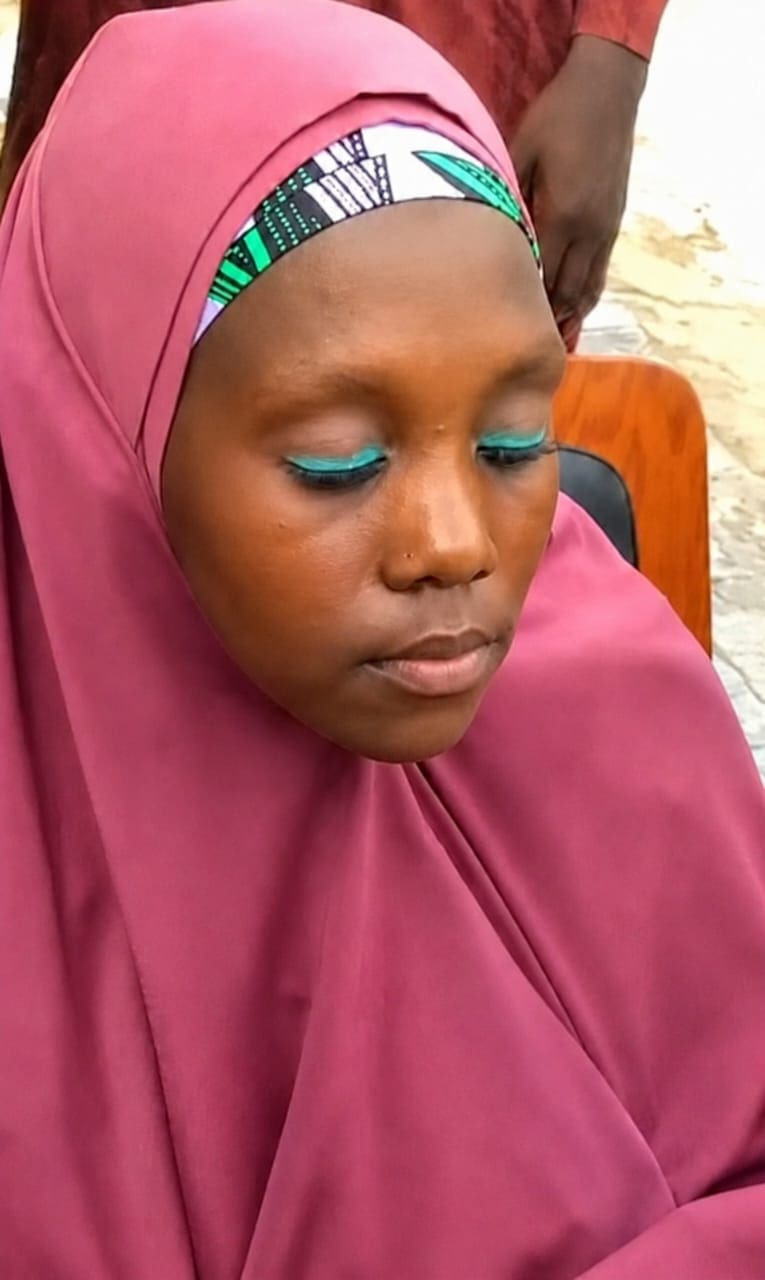
VICTIM: ‘I married eight different Boko Haram and bearing two children fathered by different commanders during my 12-year ordeal in the Sambisa Forest.’
By Suleman Ayuba
MAIDUGURI, Nigeria — The 2014 abduction of 276 schoolgirls from the Government Girls Secondary School in Chibok, Borno State, stands as one of the most painful chapters in modern Nigerian history. Over a decade later, the ordeal of these young women continues in tragic and complex ways. While the world initially united under the banner of #BringBackOurGirls, the reality of those who have managed to escape captivity—some after as many as twelve years—presents a deeply distressing picture of trauma, systematic co-optation, and contested government intervention.
“I married 8 husbands and gave birth to two children to different Boko Haram leaders,” Jinkai Yama, an escaped Chibok girl, told journalists upon her return to safety.
Her account underscores the severe exploitation these young women faced—rotated among commanders as spoils of war, subjected to forced conversions and repeated sexual abuse, and compelled to raise children born into an active war zone. Survival meant enduring relentless physical and psychological abuse in the dense enclaves of the Sambisa Forest and surrounding insurgent strongholds, with marriages designed to bind them permanently to the insurgent structure. The last man she was married to before escaping was Usman, identified as a terror kingpin operating in Gavva village, Gwoza Local Government Area.
During her interviews, sections of the media pressed Jinkai Yama to accept that she had not been forced into the marriages. She replied, “Yes, no one forced me, but I was just looking for a way to escape captivity—that is why I accepted the marriage.”
“Sadly, no one cared,” said Ishaku Bitrus from Chibok County in an exclusive interview with TruthNigeria, expressing deep grief and frustration over the handling of the crisis from its onset.
He stated that the government deliberately abandoned the community when the girls were initially taken, noting that the locations where the captives were held were widely known to security authorities, yet effective rescue operations were severely delayed or never executed. The lingering psychological trauma in Chibok remains unaddressed as a generation of young women had their dreams permanently cut short by terrorism.
“Most of those who escape have remarried terrorists under Borno State Government efforts instead of reuniting the Christian children with the family,” Reverend Musa Kallamu Dikwa told TruthNigeria.
“This is not justice; it is a systematic Islamisation agenda,” Reverend Dikwa told TruthNigeria, raising sharp concerns that state-managed programs overseeing rescued captives and repentant Boko Haram fighters form part of a “second Islamisation agenda.”
Rather than facilitating the immediate reunification of Christian survivors with their families and original communities, many of the young women who escaped or were freed have been arranged to remarry former insurgents under programs supervised by the Borno State Government.
Broken Dreams and Unhealed Wounds
The long-term impact on the victims and their families remains profound.
Before their abduction, these young women were students pursuing education and aiming to build bright futures, Ishaku told TruthNigeria. Twelve years of captivity effectively shattered those aspirations, he added.
Controversial Rehabilitation and Accusations of Forced Remarriage
Beyond the trauma of captivity, the process surrounding the rescue, surrender, and rehabilitation of former captives has sparked intense controversy among community leaders, human rights advocates, and religious figures. These allegations point to a fundamental rift between government rehabilitation strategies—which often focus on de-radicalizing and reintegrating surrendered insurgent families en masse—and the demands of victims’ families who seek justice, Christian reintegration, and immediate family reunification.
For many in Chibok, seeing former captives integrated into social structures alongside reformed insurgents feels less like rehabilitation and more like a continuation of the subjugation they suffered in the forest, Reverend Dikwa told TruthNigeria.
The Search for True Accountability
Twelve years after the initial tragedy, the story of the Chibok girls is far from a simple narrative of rescue and recovery.
The testimonies of survivors who endured multiple forced marriages and fathered children under Boko Haram leadership illustrate the profound human toll of the insurgency, Gavvs Katiya, Former Director of National Directorate Employment, told TruthNigeria. Meanwhile, critiques from local leaders like Ishaku Bitrus and Reverend Kallamu Musa Dikwa highlight deep-seated mistrust toward official rehabilitation efforts.
For genuine healing to occur in Chibok and across northeastern Nigeria, policies must go beyond military victories and administrative reintegration schemes. Survivors require comprehensive medical, psychological, and social support tailored to their specific trauma, free from state-enforced social arrangements, Reverend Dikwa told TruthNigeria.
Until the survivors are fully restored to their families and their rights respected, the legacy of the Chibok abductions will remain an unhealed wound, he added.
Suleman Ayuba is a conflict reporter for TruthNigeria.
Related


JUST IN: Nigeria beat Japan to become first African nation to win U-17 Women’s World Cup – The Witness Nigeria

“Political Violence Has No Place In Democracy” — Peter Obi Condemns Attacks On NDC Supporters In Delta As Oborevwori Orders Investigation, Prosecution

“Flamingos Are World Champions” — Nigeria Defeat Japan 2-1 To Win Historic First FIFA U-17 Women’s World Cup

‘Take Responsibility For Your Choices Rather Than Blaming Buhari’ – Ex-presidential Aide Blasts Amaechi

They Will Go From House To House, Check Under Your Bed – Kwankwaso Raises Alarm Over Tinubu’s Tax Policies

“Adeboye Ordered Refund Of Billions In Crime Proceeds Within 24 Hours” — EFCC Chairman Olukoyede Reveals, Warns Churches Against Suspicious Donations

“Some Politicians Talk As If They Own The World” — Jonathan Warns 2027 Aspirants Against Desperation, Violence And Abuse Of Power

“I Am Cleaning The Mess They Created, Atiku Was One Of Them” — Tinubu Blames Former Leaders For Hunger, Questions Atiku’s University

“Nigerians Have A Right To Know How NERSI Funds Are Spent” — SERAP Demands Disclosure Of ₦50,000 Relief Payments, Threatens Legal Action

“You Acted As A True Statesman During Rivers Crisis” — Fubara Hails Tinubu’s Intervention, Pledges 3m Votes Under APC-PDP Rainbow Coalition

Chibok Girl Emerges from Boko Haram Captivity Carrying the Scars of Forced Marriages

Nobody can take my senatorial ticket from me – Uzodimma

Kano court frees man accused of killing wife after five years

THE WEEK: Pastor, Pregnant Woman, Schoolchildren: Victims of Fresh Attacks

Noma: No child should die from preventable disease – MSF charges govt, stakeholders to improve response

2027: CJN swears in tribunal judges, warns against political interference

Edo: Son hacks APC chieftain father to death over prophecy

France accuses Iran of hacking supermarket fridges across Europe

Tinubu’s Jigawa visit to showcase achievements, not for jamboree – Aide

2027: Appeal Court Swears In 375 Judges For Election Petition Tribunals

 Metro7 days ago
“Nigeria Cannot Afford To Fail In 2027” — UNOWAS Urges Peaceful Elections As NHRC Warns Against Electoral Offences
- Special Report7 days ago
Cocaine: KC Luxury asks judge to withdraw from his trial over missing affidavit – The Witness Nigeria
- Special Report4 days ago
Namibia President hails Dangote’s $2.5bn investment as historic milestone for African industrialisation – The Witness Nigeria
- Headlines4 days ago
‘Politics is expensive everywhere’ – Wike replies critics over high billboard cost in Abuja
- Metro4 days ago
“Any Algorithm Can Calculate, But It Cannot Care” — NMCN Registrar Warns Nurses Against Overreliance On AI
- Headlines7 days ago
Inaccurate information, algorithmic bias undermine justice – Kaduna Attorney-General warns young lawyers
- Special Report5 days ago
Police invite late singer, Toluwanisings’s wife, father, as parties sign peace deal – The Witness Nigeria
- Headlines6 days ago
Kayode Akinmade: Abiodun’s road revolution – From forgotten communities to connected economic corridors