News
Anambra Spent More On Meals Than Flood Control As Floods Wreak Havoc

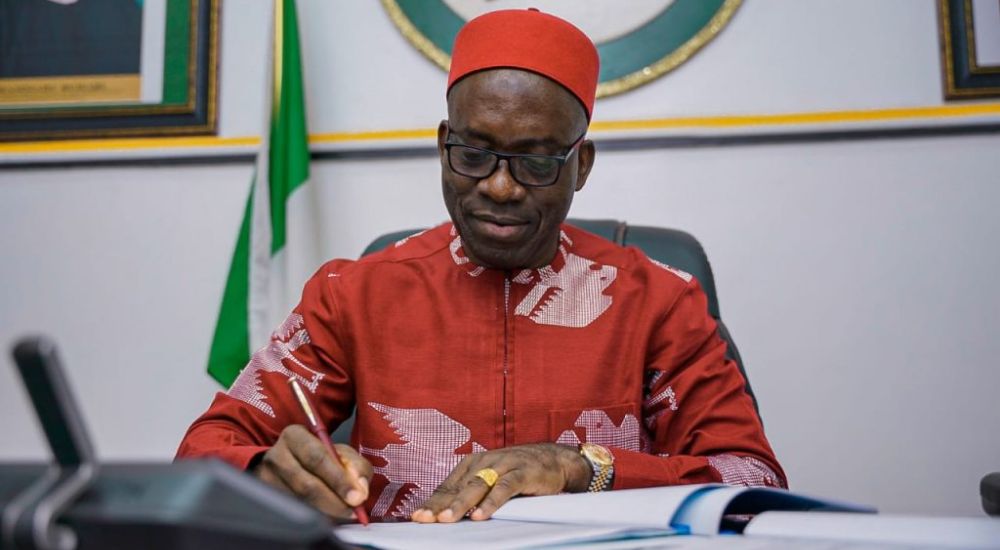
The Anambra State Government spent more than N159.65 million on refreshments and meals in the first six months of 2026, more than the N135.7 million released for erosion and flood control over the same period.
The spending comes as floods continue to cause deaths and destroy property across the state.
The half-year 2026 budget implementation report, reviewed by THE WHISTLER, shows the state earmarked N1.45 billion for refreshments and meals this year. It spent N83.52 million in the first quarter and N76.126 million in the second, an 11 per cent budget performance.
About N1.292 billion remains for the rest of the year, meaning the government still plans to spend over N1 billion on the line item.
By contrast, an earlier THE WHISTLER investigation found that Anambra planned to commit N5.12 billion to erosion and flood management in 2026 but released only N135.70 million in the first half. That is just 2.7 per cent of the budget.
The difference means the state spent about N23.945 million more on refreshments and meals than it released for flood control.
The figures contradict Governor Chukwuma Soludo’s repeated warnings that Anambra has 1,000 active gully erosion sites affecting over 30 per cent of its landmass.
The danger is already playing out. On September 22, a flood trapped a vehicle along the Nibo–Isiagu Ring Road in Awka South. Seven primary school pupils and two adults were rescued, but six-year-old Success Ezenwafor was later found dead.
Expert: “We are pricing lives below lunch”
Anthony Adejuwon, Chief Executive Officer of the accountability group Urban Alert, said the figures show a government that values officials’ comfort over community safety. He described the priorities as “upside down” and accused the government of putting “feeding meeting” ahead of protecting residents on floodplains.
“We are pricing lives below lunch,” he said, warning that every naira left unspent on flood management will return as higher costs in rescue operations, relief materials, lost harvests and lost lives. He called for proactive investment in drainage, early warning systems and riverbank protection.
Adejuwon also said refreshment spending is one of the easiest places for waste and inflated contracts to hide, because it leaves nothing physical to verify. This, he said, erodes public trust and weakens the social contract needed to respond to crises.
He proposed that the government publish a detailed breakdown of the refreshments spending, showing who was paid, for what events and at what unit cost.
He also urged the Anambra State House of Assembly to use its oversight powers to cap discretionary recurrent spending and redirect the savings to flood control and climate adaptation. He added that flood control budgets should be tied to visible projects, with locations, contractors and timelines published so communities can monitor them.
“Public money is public business, and silence is what allows the priority of the belly to persist,” he said.
READ ALSO:






“The Legal Process Must Not Become A Source Of Intimidation” — NUJ Demands Probe Of Kaduna Journalist’s Conviction Over Facebook Post

EXCLUSIVE: NIMC Under Abisoye Coker-Odusote Faces ₦49.9m Cash Advance Questions, ₦24.9m Lagos Renovation Split Into Two Payments

‘President’s Job Is Not To Be High Jumper’ – Dele Momodu Reacts To Makinde’s Challenge To Presidential Candidates

Breaking: Diri Unleashes Fury On Donald Duke Over Coastal Highway, Calls Him ‘Jester And Pretender’—Declares: “I Am Not That Fellow!”

Security Tightened In Kaduna Ahead Of Tinubu’s 2027 Campaign Flag-Off — Operatives Guard Posters, Billboards

“Some Ministers Pay Billions To Get Themselves Appointed” — Tinubu Campaign Spokesman Alleges Corruption In Appointment Process

Omah Lay Rushed To Hospital In Los Angeles Following Stunt Accident

“Voters Must Be Able To Make Decisions Based On Credible Information” — EU Warns Against AI-Driven Electoral Disinformation

EXCLUSIVE: Nigeria Wants P&ID Dead and Buried: The Secret British Virgin Islands Court Move to Wind Up the Company Behind the $11 Billion Scam Over a £20m Debt

Enugu People Cry Blood As Gov. Peter Mbah Voted Twice For The Same Five-Star Hotel In One Budget After Spending N9.73 Billion On It

Peter Obi Has Made Obidients Everybody’s Enemy – Sowunmi

2026 Ballon d’Or: Messi could snub event as Kane, Yamal emerge favourites

Metallurgical Institute Onitsha Faces ₦472.5m Investigation Queries Over Inventory, Mobilisation Payments

12-year-old, two others arrested as Ogun police foil secondary school cult initiation

“The Infection May Have Occurred During A Trip To Uganda” — Swiss Government Gives Details Of Nigeria’s Ebola Patient

NPFL: Doma United caution fans over heavy sanction

‘What A Tragic Statement’ – Atiku Reacts As Security Operatives Guard Tinubu’s Campaign Billboard

Nollywood Actor Francis Duru Dies at 57

Anambra Spent More On Meals Than Flood Control As Floods Wreak Havoc

Notorious bandit kingpin Ado Allero’s brother killed in Zamfara clash

 Metro7 days ago
“The Leave Is Not A Disciplinary Sanction” — Anglican Primate Sends Archbishop Ibezim On Six-Month Leave Over ₦2bn Church Land Allegation
- Politics5 days ago
Boko Haram Reportedly Destroys Half of Graha Community as Neighbouring Adamawa Villages Brace for Possible Further Attacks
- News6 days ago
Gov. Uzodimma Waste N400 Million To Rehabilitate Lagos Lodge, N250 Million For Just One-Storey Building In Government House, N175 Million For Chalet And Many More
- Metro7 days ago
“Mayday, A Door Has Opened In Flight” — Triton Aviation Jet Makes Emergency Return To Abuja As Door Separates After Take-Off
- Metro7 days ago
“Expedite Their Confirmation Ahead Of The General Elections” — Tinubu Nominates Four INEC National Commissioners, Two RECs
- News7 days ago
CBN Deputy Governor Emem Usoro Who Snatched Married Man Accused Of Locking The Man’s Wife Out Of Their Five-Hectare Abuja Estate Through A Company She Secretly Owns And Took All His Luxury Cars
- News7 days ago
Tinubu’s Appointed DG Dayo Mobereola Splashed N879.1 Million On Television, Adverts And Store Items At The Nigerian Maritime Administration And Safety Agency And Accounted For None Of It
- News6 days ago
Rascal In Power: In 90 Days, Delta Governor Sheriff Oborevwori Spent N310 Million For Treatment Abroad And Moves To Waste N500 Million To Build New Government House