Metro
Wike: Tinubu Will Secure At Least 25% Votes In All Northern States In 2027

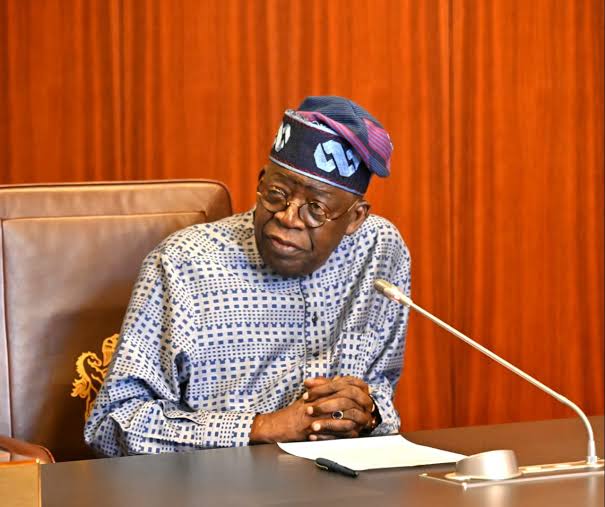
Minister of the Federal Capital Territory, Nyesom Wike, has dismissed claims that President Bola Tinubu could suffer significant electoral losses in northern Nigeria in the 2027 presidential election….
Minister of the Federal Capital Territory, Nyesom Wike, has dismissed claims that President Bola Tinubu could suffer significant electoral losses in northern Nigeria in the 2027 presidential election.
Wike said there was no basis for assuming that political dynamics that shaped the 2023 election would be repeated in 2027, arguing that political calculations and alliances had since changed.
Responding to suggestions that hunger and the removal of petrol subsidy could hurt Tinubu’s chances in the North, Wike said the president would still secure the constitutional threshold of votes required in the region.
“There’s no way in the North the President will not make 25 per cent,” Wike said.
He also argued that Tinubu could secure considerably lower percentages in some parts of southern Nigeria, stressing that electoral calculations should not be based on assumptions about the political mood of an entire region.
Wike rejected claims that his influence in northern Nigeria had waned, saying political influence should be assessed through the networks and structures available to politicians rather than media narratives.
The minister also challenged the suggestion that political leaders in the North were not already positioning themselves for the 2031 presidential election.
“Who told you they are not preparing themselves to run for 2031? Who told you that?” he asked.
According to Wike, some northern politicians could have their own calculations for 2027 and beyond, including positioning themselves for the presidency in 2031.
He also defended the political strategy that contributed to the outcome of the 2023 presidential election, particularly in parts of southern Nigeria.
Wike said political actors had to deploy strategies based on the strengths and weaknesses of their opponents, arguing that the political structures and alliances that existed in 2023 had evolved.
He dismissed the notion that voters were entirely independent in their political decisions, saying individuals and communities often looked up to influential figures when deciding how to vote.
“In every community, in every family, people look up to somebody in terms of vote,” he said.
Wike urged journalists and political commentators to be more practical in their assessment of elections, arguing that issues such as hunger and insecurity alone did not determine voting patterns.
He maintained that political influence, local structures, alliances and the calculations of political actors would remain critical factors in determining the outcome of the 2027 election.


“Any Algorithm Can Calculate, But It Cannot Care” — NMCN Registrar Warns Nurses Against Overreliance On AI

RE: RESPONSE TO MISLEADING PUBLICATION ON THE PRESIDENTIAL AMNESTY PROGRAMME (PAP)

‘He’s closest to Lionel Messi’ – Rashford names player to win more Ballons d’Or than Cristiano Ronaldo

2027: ‘Peter Obi’s Logic Is Short-Term Turnover Unlike Tinubu Who Thinks Of Next Generation’ – Oshiomhole

Power Outage: Tegbe assures Nigerians of swift restoration as electricity disruptions hit Lagos, Abuja

‘Politics is expensive everywhere’ – Wike replies critics over high billboard cost in Abuja

“Not To Own It, But To Give It Another Chance At Life” — Foreigner Rescues Sea Turtle From Lagos Sellers As NESREA Faces Enforcement Questions

Investigate hijab controversy in Nigerian law schools immediately- MURIC to Council of Legal Education

“Courts Must Guard Their Independence, Impartiality And Integrity” — NDC Warns After Atiku’s Candidacy Is Nullified

Jesus de Miguel’s death: ‘He’d never intentionally hurt anyone’ – Owono’s team-mate defends goalkeeper

Fire Service equips prison officers to tackle fire outbreaks

Turkey: Galatasaray told to start leaving Osimhen on bench in matches
Turkey: Galatasaray told to start leaving Osimhen on bench in matches

Nigerians Call On Tinubu To Quit 2027 Presidential Race Over Tripping, ‘Lilikabu’ Comment

‘Tinubu Won’t Listen Unless Confronted’ – Dele Momodu Reacts To Makinde’s Appeal Over Atiku, ADC

OSSAP-SDGs denies contract fraud allegations, defends project pricing

Fubara Promises to Deliver 3 Million Votes for Tinubu in Rivers

Explain What Your Administration Has Done With ₦15.8 Trillion Saved From Fuel Subsidy Removal – Peter Obi Dares Tinubu

US Offers $20m Reward For Information On Iran’s Nuclear Programme

Bayelsa Commissioner, six others escape death in boat accident

 Politics7 days ago
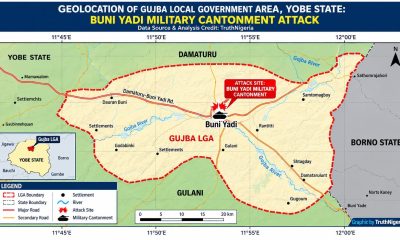
Over 200 Boko Haram Terrorists Are Moving To Attack Military Camp In Buni Yadi As Rockets Target Troops; IED Threat Raises Travel Concerns
- Metro7 days ago
“The Election Must Hold As Scheduled” — INEC Chairman Rules Out Postponement Of 2027 General Elections
- Metro7 days ago
“Publishing His Name Is Subject To The Final Outcome Of A Court Order” — INEC Leaves Gwarzo Off Updated Kano Governorship List
- Metro7 days ago
“Ebola Outbreak Is Not Yet Under Control” — Africa CDC Warns As Confirmed Cases Exceed 10,200, Death Toll Surpasses 5,000
- Metro7 days ago
“Death Benefits Will Be Fully Paid To Next Of Kin” — NAF Pledges Continued Salaries For Personnel Killed In October 5 Aircraft Crash
- Metro7 days ago
“Sowore’s Whereabouts Remain Unknown” — Armed Men Allegedly Abduct AAC Presidential Candidate In Ado-Ekiti, Damage Vehicles And Restaurant
- Metro7 days ago
“21 Exotic Vehicles Affected, No Life Lost” — LASEMA Confirms Lagos Mechanic Workshop Fire, Averts Disaster At Nearby Filling Station
- Metro6 days ago
“They Beat Me Like A Criminal” — Sowore Recounts Ekiti Attack As Govt Denies Involvement, Calls For Police Investigation