Politics
Nobody Running Against Tinubu Can Change Nigeria, Including Obi – Datti

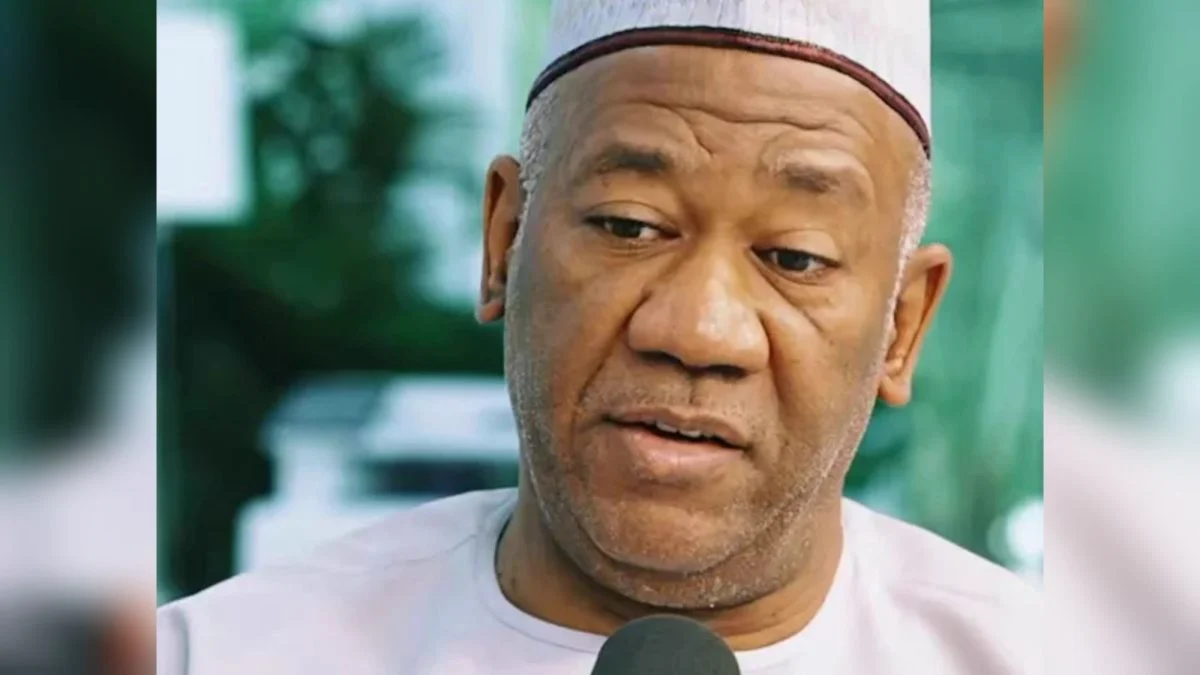
Yusuf Datti Baba-Ahmed, the 2023 Labour Party vice-presidential candidate, has said that none of the politicians currently positioning themselves to challenge President Bola Tinubu can bring the kind of change Nigeria needs, including his former principal, Peter Obi.
Baba-Ahmed made the statement during an appearance on the Mic On Podcast while discussing the 2027 presidential election.
“None of the people running against President Tinubu can change the country,” Baba-Ahmed said.
When asked whether his statement also applied to Obi, whom he ran with on the Labour Party ticket in the 2023 presidential election, Baba-Ahmed gave a direct response.
“Including Peter Obi,” he said.
The comment comes amid increasing political activity ahead of the 2027 general election. Obi is the presidential candidate of the Nigeria Democratic Congress (NDC), while Baba-Ahmed is with the Peoples Redemption Party (PRP).
Baba-Ahmed had earlier clarified that his decision to serve as Obi’s running mate was not based on personal political dependence or an obligation to follow the former Anambra State governor wherever he went politically.
In June, Baba-Ahmed explained that sympathy for Obi played a major role in his decision to join the 2023 presidential race alongside him. He said Obi had approached three prominent politicians in 2022 in an attempt to build a political alliance, but they allegedly avoided joining his movement.
According to Baba-Ahmed, the situation made him feel disappointed not only for Obi but also for Nigeria, prompting him to volunteer himself for the project and eventually accept the vice-presidential position.
“They thought I would follow Peter Obi,” Baba-Ahmed said during an interview with Symfoni.
“People don’t understand between me and Peter Obi, I have a great deal of sympathy for him. And this sympathy was at the core of our relationship.”
He added, “When he approached three major politicians in 2022 they avoided him. I would have been glad if in 2022 one of them went with Peter Obi. They all avoided him. I felt bad for him and for Nigeria as a nation.”
Baba-Ahmed said he understood the reasons behind the politicians’ decision but chose not to disclose their identities or the specific circumstances surrounding their refusal to work with Obi.
He also rejected the assumption that his political decisions would always be tied to those of Obi, particularly after the 2023 election.
“They thought I would follow Peter Obi to ADC, but I had given enough sympathy then,” he said. “Obi does not own me. I own my independence.”
He also raised concerns months earlier about the ability of opposition politicians to build a strong and sustainable political alternative to the ruling All Progressives Congress.
In May, Baba-Ahmed spoke about the difficulties of securing broad regional support for opposition candidates, particularly in northern Nigeria. He argued that electoral calculations, regional influence, political structures and the personalities involved would continue to play important roles in determining the outcome of future elections.
“It is very unlikely that the North will rally around OK. That is my personal opinion,” he said.
He recalled meeting Obi in January 2024 at the John Wilson Hotel, where he said he advised the former Anambra State governor to engage politicians such as Rabiu Musa Kwankwaso and Nasir El-Rufai as part of a broader strategy for 2027.
“At that time, I told him there are key figures like Rabiu Musa Kwankwaso and Nasir El-Rufai. I suggested he should engage them,” Baba-Ahmed said.
He stressed that political movements needed to begin planning well ahead of elections, rather than waiting until the election year before attempting to build alliances.
“If in 2024 you cannot plan for 2027, then I cannot continue to be with you,” he said.
Baba-Ahmed also questioned some of the emerging opposition alliances, particularly where politicians who did not support particular candidates in the 2023 election were later seeking to work together ahead of 2027.
“What changed between 2022 and 2023?” he asked.
He further argued that the desire for a new generation of leaders must be matched by the age, experience and political profile of those forming presidential tickets.
“You are looking for new blood, a new generation, yet you may have a vice-presidential figure who is older in age, education, political profile, and experience,” he said.
Baba-Ahmed cited Kwankwaso’s political influence in northern Nigeria as an example of the kind of grassroots strength that could affect the balance of power within any opposition coalition.
“The local government is almost his state; the state is almost his region. And this is someone with strong ambition and temperament, who, then, will actually be the president?” he asked.


Morning recap: FG counters opposition on Tinubu’s 2027 chances, 37 die from toxic fumes in Rivers, other top stories

‘Akpabio’s wife visited Senate Chamber to inspect faulty equipment’ – Aide refutes ‘unholy access’ reports

“If women are called gold diggers, what do we call those men who benefit from their fellow men’s wealth?” – Mary Njoku asks

Fulani Militia Seize 6 from Kaduna Village, Leave 2 for Dead as Kidnapping Expands in Nigeria’s Middle Belt

Trump Appoints Atiku’s US Lobbyist Karl Von Batten to White House Commission » Apples Bite Int’l Magazine

Nigeria Cannot Have Security Without A Strong Economy, Otunba Senator Gbenga Daniel Declares » Apples Bite Int’l Magazine

“Make una keep deceiving una sef with brand deals” – Phyna reacts to Tochi’s advice to BBNaija ex-housemates

Pindaa Health Workers Share Video Of Huge River They Risk Their Lives To Cross Everyday Before Going To Work

School Boy Receives Dirty Slaps From Roommates, Forced to Carry Pumping Machine He Was Caught Stealing On His Head

“Wickedness dey oo” – Lady calls out ‘desperate’ abroad men who pay bride price, sleep with women and later request dowry

US ambassador calls violent Israeli settlers ‘terrorists’ after weeks of West Bank unrest

Senator Yayi Announces Completion Of Mini Campus Link Road In Ago-Iwoye

Police recover locally made cut-to-size gun from cultists in Delta
Police recover locally made cut-to-size gun from cultists in Delta
Police recover locally made cut-to-size gun from cultists in Delta

Shaibu Hails Edo Queens’ WAFU-B Triumph

The Iranian school struck in the war's earliest attacks is now a memorial for children
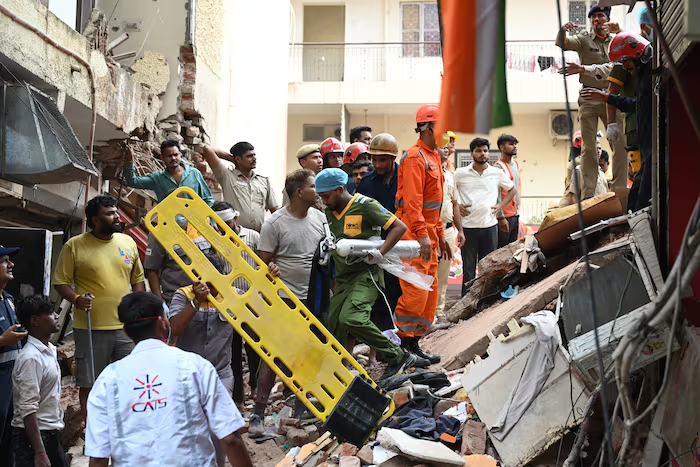
Building collapse in New Delhi kills 1 and traps dozens of others

Police rescue abducted 60yr old man in Delta as suspects flee
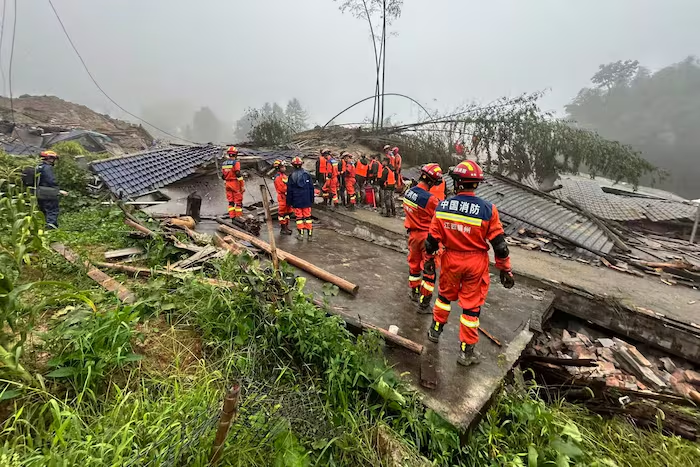
Mudslide death toll in China rises to 3 after heavy rain from Typhoon Saudel

 Headlines22 hours ago
‘Akpabio’s wife visited Senate Chamber to inspect faulty equipment’ – Aide refutes ‘unholy access’ reports
- Politics22 hours ago
Fulani Militia Seize 6 from Kaduna Village, Leave 2 for Dead as Kidnapping Expands in Nigeria’s Middle Belt
- Special Report20 hours ago
Pindaa Health Workers Share Video Of Huge River They Risk Their Lives To Cross Everyday Before Going To Work
- Special Report22 hours ago
School Boy Receives Dirty Slaps From Roommates, Forced to Carry Pumping Machine He Was Caught Stealing On His Head
- Politics18 hours ago
Politics 27 seconds ago Insecurity: APM Accuses Tinubu Govt Of Downplaying Killings, Kidnappings The Allied Peoples Movement (APM) has accused the Federal Government of living in denial over its claim that insecurity has improved across…
- Special Report19 hours ago
CCTV Footage Captures Big Nyash Lady Stealing Wig From Shop In Broad Daylight And Hiding It In Her Pants
- Special Report19 hours ago
Area Boys Beat Young Man To Near Pulp, Leave His Eyes And Face Swollen After They Caught Him Stealing Horse
- Special Report5 hours ago
“My Grade Was Better Than My Friend’s, But He Got Opoku Ware” — JHS Graduate In Tears After Being Placed In 6th Choice School Despite Her Good Grades