Metro
Lagos To Cut Olusosun Waste With New Transfer Stations – Hamzat

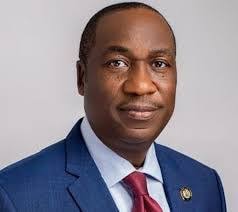
Lagos State Deputy Governor and All Progressives Congress (APC) governorship candidate for the 2027 election, Obafemi Hamzat, says the state government is working to transform waste management through additional transfer loading stations and waste-to-energy initiatives. Hamzat disclosed this during an interview on TVC News’ Journalists’ Hangout on Monday, September 14,……
Lagos State Deputy Governor and All Progressives Congress (APC) governorship candidate for the 2027 election, Obafemi Hamzat, says the state government is working to transform waste management through additional transfer loading stations and waste-to-energy initiatives.
Hamzat disclosed this during an interview on TVC News’ Journalists’ Hangout on Monday, September 14, while responding to concerns over the Olusosun landfill and the growing volume of waste generated in Lagos.
He said the Olusosun landfill had not exceeded its usefulness, explaining that efforts were underway to improve operations at the site and reduce the volume of waste deposited there.
According to Hamzat, the government had been evacuating accumulated waste and constructing a transfer loading station to improve the site’s efficiency.
“If you notice, we were there about three or four days ago. And when we went in, when we actually went in, you know, that’s where we are trying to build the transfer loading station,” he said.
READ ALSO: LAWMA Launch Youth Initiative to Boost Waste Management in Lagos
Hamzat said the government had dug several metres into the site and moved accumulated waste to create space, adding that the smell becomes noticeable mainly when one gets to the rear sections where older waste is located.
He also disclosed that Lafarge is currently converting part of the waste at the site into materials for energy production.
The deputy governor said the planned transfer loading station at Olusosun would have the capacity to handle about 2,500 metric tonnes of waste daily, compared with the more than 3,000 metric tonnes previously deposited at the site each day.
“By the time we are able to activate the transfer loading station, what will be coming in there will be very small because the rest will be utilized,” Hamzat said.
He attributed some of the recent challenges at the landfill to the deterioration of the access road, which significantly increased the time spent by waste trucks at the facility.
Hamzat said between 300 and 320 trucks enter the site daily, but the poor condition of the road had increased their turnaround time from about two hours to between seven and 10 hours.
“The challenge we had was that the land just gave in. That was the challenge we had. So it took us time to fix the land,” he said.
He added that the access road had now been repaired, while the government was increasing the number of tipping points at the facility from two to four to further reduce delays.
According to him, the measures are expected to reduce the turnaround time for waste trucks from several hours to about one hour.
Hamzat said the state government was also working towards establishing four transfer stations across Lagos as part of a broader plan to process waste into reusable materials and generate electricity.
He said the plan includes material recovery facilities and a waste-to-energy plant at the Alimosho area, where processed waste would be used to generate power.
“What we need to do for Lagos is get the transfer stations to four,” Hamzat said.
He expressed optimism that two of the planned transfer stations would be completed before the end of the current administration, adding that the state could eventually process waste from neighbouring states for a fee if additional facilities were developed.
Hamzat also stressed the importance of waste sorting at the household level, saying failure to separate waste at source increases the cost of waste management.
“The challenge we have is if you don’t sort from your kitchen, the cost goes up by 40%,” he said.
He disclosed that about 13,000 people currently involved in waste sorting could be integrated into the system through training and provision of equipment.
“We must get them into the system, train them, equip them. It is job opportunities,” Hamzat said.
The deputy governor maintained that the growing volume of waste in Lagos required a shift from simply dumping refuse to recovering materials and generating energy from waste.


ALERT: Nigerian Army Warns of Possible Coordinated Terrorist Attacks on Churches, Schools and Youth Camps

EPL: Why I played Ola Aina as centre-back in 2-1 win over Aston Villa – Nottingham Forest boss, Glasner

Verydarkman shares first video of Poco Lee and Burna Boy following his alleged release from UK prison

Evening recap: Bamanga Tukur dies at 90, Dangote projects N10,000 refinery shares, 54 countries offer eVisa, other top stories

Nigeria Offers ₦30 Million Bounty for Separatist Commander ‘Gentle the Yahoo,’ Sparking Sharp Regional Divide

Morning recap: Terrorists plot attacks on Osun worship centres, Lagos crackdown raises child protection concerns, other top stories

Foreign Minister, Hon Okudzeto Ablakwa Presents Chop Boxes, Beds And 100 Bicycles To North Tongu Students Ahead Of SHS Resumption

We Won’t Release You Until The Network Improves — Residents Tell Telecom Employee As They Tie Him To A Pole Over Poor Network

“Is NELFUND Upkeep Meant To Feed The Student Or Her Family?” — APC Campaign Spokesman’s ₦10,000 Example Raises Questions

“I bookmarked it” – Simi Sanya recalls X user’s prediction about her relationship with Femi Dapson before marriage

Nigeria’s Victim‑Recovery System Fails Survivors as Court Reopens Appeal for Christmas Day Church Bomber

SEC warns investors against unauthorised Dangote refinery IPO channels – The Witness Nigeria

FG targets 200 new telecom sites before December

Dangote thanks Tinubu for fuel subsidy removal, FX reforms

Gunmen attack bus in Plateau, kill nine passengers

Tinubu allocates EFCC-recovered property as new NDPC headquarters

Fulani herdsmen open fire on commercial bus, gun down passengers in Plateau

Olubadan Reveals Position on Oyo Governorship Race

NDC Will Allow Nigerians Donate Small Amounts To The Party Like Obidient Movement Did In 2023 – Director

‘They’ve settled the Americans’ – Atiku-linked US firm questions Tinubu-Trump meeting, minerals deal

 News21 hours ago
Five Islamic Clerics Abducted After Prayer Meeting At Yari’s Zamfara Residence » Apples Bite Int’l Magazine
 Politics12 hours ago
They Abuse Tinubu On Social Media Like Kindergarten Fighting Over Groundnuts – APC Chieftain Mocks Opposition
- News10 hours ago
Ex-USCIS Officer Made $1.7m Bribes Approving Fake Green Cards for Nigerians, Others — FBI » Apples Bite Int’l Magazine
- Metro20 hours ago
BTO4PBAT27 at One: How A Grassroots Political Movement Built A Statewide Structure For Tinubu’s 2027 Re-election
- News10 hours ago
GRA-1 Residents Applaud Senator Abiru for Transformative Solar Street-Light Project » Apples Bite Int’l Magazine
- Viral23 hours ago
Ogoni Liberation Initiatives Demands Answers on $300m, Bori State, Clean-Up Before Ogoni Oil Resumption Deal
- News11 hours ago
Morning recap: INEC unveils list of Senate race, banks shut 476 branches in three years, other top stories
- News11 hours ago
IGP Endorses Societal Concerns Organization’s Drone, Intelligence Training for 300 Police Personnel » Apples Bite Int’l Magazine