Politics
Katsina Strike Tests Nigeria’s Progress Against Bandit-Terrorists Before Elections

But is Team Tinubu Winning, or Just Managing the War?
By Onibiyo Segun and Suleiman Ayuba
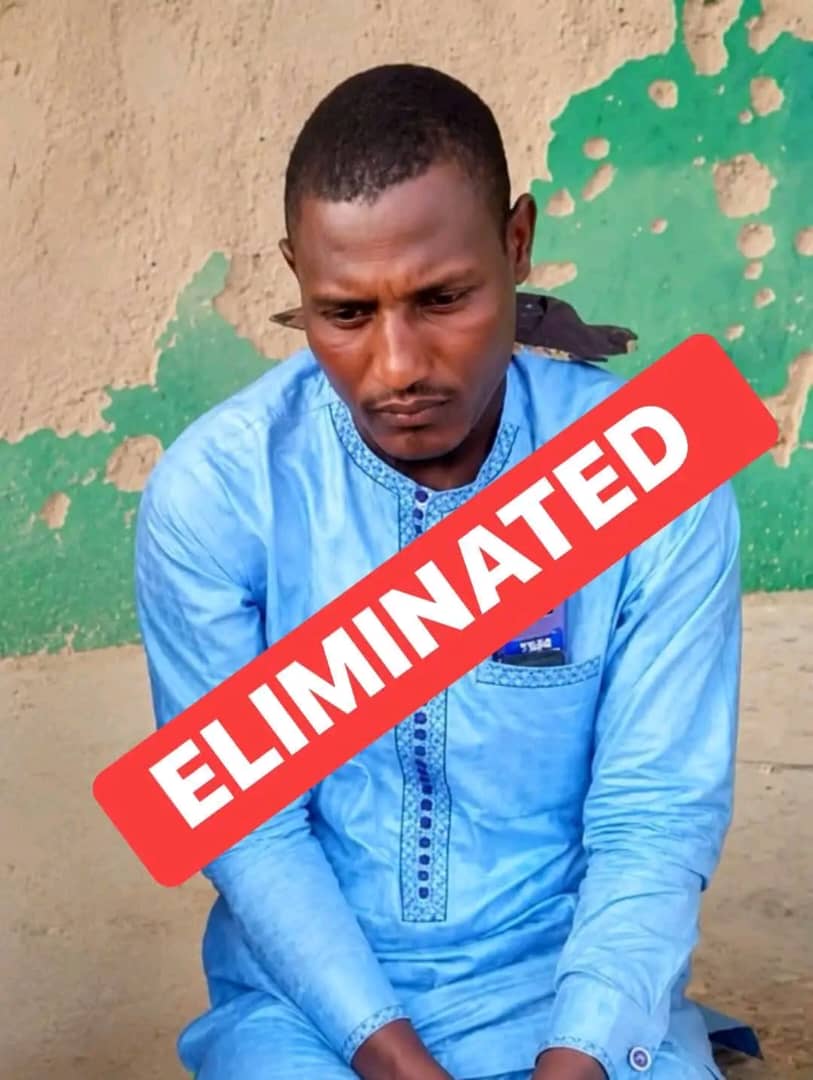
(Matazu, Katsina State) – The killing of a feared crime-gang lieutenant of the so-called Filani group August 29 has raised a key question: Is the army’s strategy for defeating bandit-terrorists in the North on the right track?
Authorities describe the strike as a battlefield gain, but security analysts told TruthNigeria that the real measure of success is not the death of one commander. It is whether Filani’s network loses the ability to recruit fighters, finance operations, replace leaders and threaten rural communities.
For Katsina residents who have spent years away from farms and markets because of attacks, victory will not be defined by military claims. It will be measured by whether families return home safely.
Tactical Victory Or Strategic Breakthrough?
“Killing a commander can weaken an armed group but does not guarantee defeat. The real test is whether Filani’s network loses its ability to recruit fighters, finance operations and replace leadership”, Dr. Kabir Adamu, Managing Director of Beacon Security and Intelligence Ltd, told TruthNigeria.
Adamu went on to say, “before elections, body counts matter less than regeneration. If the network can still recruit, collect ransom and move freely, a lieutenant’s death was tactical. If attacks decline and farmers return home, it becomes strategic. Until civilians regain normal life, we cannot call it victory,”
“A commander’s removal only becomes a strategic victory when troops can hold cleared areas, prevent regrouping and deny armed groups freedom of movement,” said retired military intelligence officer Major Fajola Ojomo to TruthNigeria.
“Killing a lieutenant disrupts a chain of command for weeks, maybe months. But unless you follow with presence and intelligence, the network adapts and appoints a replacement,” Ojomo added.
“The battlefield question in Katsina now is: can the army stay?”
Kachalla Muhammadu Filani’s network is linked to attacks, kidnappings and disruption of farming activities in Matazu, Safana and Batsari counties since 2021. The group operates around rural Katsina near the Rugu Forest region, but its size and territorial reach remain unclear.
Who Was Kachalla Smally?
The fighter killed during the operation was identified by security officials only as “Kachalla Smally,” the name by which he was known within the network.
The military described Smally as a lieutenant operating under Kachalla Muhammadu Filani.
“His unidentified personal name reflects a wider challenge in tracking armed networks where fighters often operate through aliases rather than formal identities,” terrorism researcher Gafar Funtua said.
Criminal Groups Or Terror Networks?
The Katsina conflict has renewed debate over how armed groups in the Northwest should be classified. Many Nigerians have long referred to these groups as “bandits,” a term associated with kidnapping, ransom collection and rural attacks, while security agencies increasingly classify many as terrorists.
Dr. Adamu said, “the issue is not the label but the groups’ behaviour: their ability to control territory, attack civilians, collect ransom and challenge state authority.”
He went on to say, “any strategy must be measured by one question: does violence decrease? If attacks continue, the strategy is not working.”
However, influential security organizations, counter-terrorism experts, and think tanks argue that banditry in Nigeria has risen above mere criminality, evolving into a structural criminal insurgency that actively challenges and seeks to overwhelm the Nigerian state’s authority, according to the Africa Defense Forum.
The Ado Aleru Test
The Filani operation comes amid continuing debate over government engagement with armed commanders in Katsina.
Critics argue that calling meetings with armed groups “peace talks” risks giving criminal networks political recognition without surrender, disarmament or accountability. The debate intensified after an August 15 Kankara meeting involving Ado Aleru, an armed group figure linked by security sources to violence along the Katsina-Zamfara axis.
TruthNigeria previously reported that the meeting raised questions about whether engagements with armed commanders reduce violence or allow networks to regroup.
The Civilian Test
The operation came as residents told TruthNigeria that repeated attacks forced many farmers in Matazu, Dutsinma and Batsari counties away from their fields.
Malam Lawal Hassan, a Matazu County farmer, said his family abandoned farming after an attack in 2023: “If soldiers have cleared the area, we will return next planting season. But we need them to stay, not just pass”.
Aisha Dikko, whose brother was kidnapped in 2023, said peace means reopened markets, schools and the ability to return home.
As Katsina approaches another election cycle, Smally’s death remains only one measure of the security battle.
The military has shown it can strike armed network commanders. But whether Filani’s network is losing ground depends on declining attacks, weaker recruitment and communities safely returning home. Until then, the operation remains a tactical gain, not a confirmed strategic victory.
Onibiyo Segun and Suleiman Ayuba report on terrorism and conflict for TruthNigeria.
Related


2027: Nigerians Would Have Known Him For Four Years – ADC Spokesperson Reveals How Atiku Will Defeat Tinubu

Evening recap: Tinubu targets $1tn economy, police rescue NYSC members, IPOB threatens 2027, other top stories

Private Business Claims Linked to Permanent Secretary John Chidiebere Ezeamama in Violation of Code of Conduct for Civil Servants – Secrets Reporters Nigeria

Backlash as Governor Oborevwori Allegedly Distributes Billions to Council Chairmen, Vice, Councilors Amid Economic Hardship
Atiku’s Absence At Coalition Talks For Single-candidate Should Not Be Interpreted As Boycott – Phrank Shaibu

You’ll get lawsuit – Abati, Rufai clash on live TV over comment against presidential candidate [VIDEO]

Tinubu’s Old Certificate and U.S. Forfeiture Controversies Resurface Ahead of Nigeria’s 2027 Election

“My baby come use English explain give this people” – Hilarious moment Peller calls Jarvis to defend him during tiktok live dispute

Transfer deadline: Enzo completes City move, Chelsea loan Sanchez, Mudryk, Fofana joins Sunderland, others

“For over 30 years” – Lady who received ₦1M from Peller reveals amount she gave her mother for business support in 2024

Keyamo Receives ‘Minister Of The Decade’ Award At Daily Times Centenary Celebration

Trump claims U.S. banks cannot operate in Canada. That's not true

Kaduna IGR rises to N85bn under gov Uba Sani — Official

UI Introduces Master’s Programme in Election Administration

Ireland must prepare for Northern Ireland reunification vote, foreign minister says

Trump raises doubts over support for Britain in Falklands dispute with Argentina

Katsina Strike Tests Nigeria’s Progress Against Bandit-Terrorists Before Elections

FG Picks 5 States, FCT For Pilot National Ranching Programme
Trump turns to a dual economic and military approach in latest attempt to squeeze Iran

IGP Disu Presents N2.32bn Welfare Benefits To Families Of Fallen Officers

 Headlines10 hours ago
You’ll get lawsuit – Abati, Rufai clash on live TV over comment against presidential candidate [VIDEO]
- News7 hours ago
Exclusive: How NSIA MD Aminu Umar-Sadiq Started Assets Construction Project With N363 Million And Jumped To N44.8 Billion In One Year – Part 1 – Secrets Reporters Nigeria
- News18 hours ago
A Satellite Agency Building Roads And Community Halls: Inside MD Jane Egerton-Idehen N2236 Million Mandate Violation At NIGCOMSAT – Secrets Reporters Nigeria
- Headlines5 hours ago
Electricity: Nigerian university campuses will be taken off national grid — Education Minister Alausa
- News10 hours ago
Cash In Hand: The Multi Million Naira Olubunmi Tunji-Ojo Federal Ministry Of Interior Money Paid Directly To Individual Staff Accounts Without Vendors – Secrets Reporters Nigeria
- Metro10 hours ago
“Politics Is My Business” — Ebonyi LG Chairman Threatens Political Opponents After Nwifuru Warns Chairmen Against Losing Their Councils

 World23 hours ago
U.S. energy secretary approves ‘3 large corporate deals’ in Venezuela, feels hopeful about NABEP deal
 Special Report7 hours ago
Travellers who arrive in Ghana with more than two mobile phones may have their additional devices treated as commercial import