News
Five checks before sharing someone’s video online

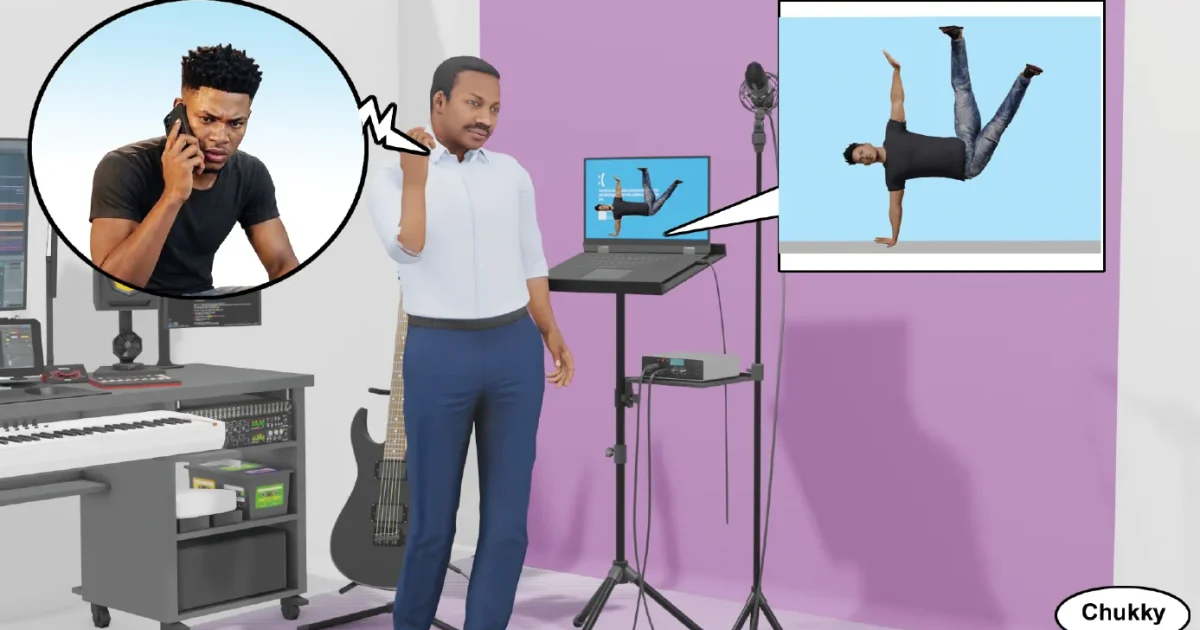
The widespread use of smartphones and social media has made it easier for people to record events and share videos online within seconds.
Due to the interconnectedness of the internet, material shared in Nigeria can reach international users, even if the person featured in it is unaware of how viral it has gone.
A video recorded as a joke, during an argument, at a party, in school or at a public gathering can be shared thousands of times before the person in it is alerted to it.
However, many people have raised concerns, urging social media users to exercise caution before uploading videos showing other individuals, particularly when the content could embarrass, expose or put the person at risk.
These concerns hinge on where the video was recorded, the intention of the user who published it, and how the person featured is portrayed.
While many users focus on the number of likes, comments and shares a video may attract, the footage showing someone during an argument, emotional breakdown, accident or other vulnerable moment could expose them to ridicule, harassment or humiliation.
Videos can also create reputational problems, particularly when they are accompanied by captions or comments that portray someone negatively.
The Nigeria Data Protection Act 2023 has provided a framework for protecting personal data and privacy, while the Nigeria Data Protection Commission has continued to promote awareness of privacy rights and responsible handling of personal information.
A lawyer, Elizabeth Tetede, advised that people should not assume that recording someone automatically gives them the right to publish the footage online.
While data protection rules recognise certain circumstances involving images recorded in public spaces, the circumstances and purpose of publication remain important.
Here are five things to check before posting someone’s video online.
Get their consent
Before posting a video in which another person is clearly identifiable, users should consider whether the person has given permission for the footage to be published.
Posting another person’s video without their permission could become legally problematic if it violates their privacy or data protection rights.
“It’s wrong to post a video of someone else without their permission and consent. However, it’s legally wrong when it violates their privacy or data protection.”
Private or public?
That a video is in the public domain does not automatically mean that you are free to post it on your personal social media handles.
“The circumstances surrounding the recording and publication are important, particularly when the person was in a private setting, or the content was not being used for educational purposes,” Tetede said.
Check what it reveals
Before pressing the upload button, watch the video carefully to determine whether it exposes private information about the person featured.
A recording may inadvertently reveal a person’s home, school, workplace, telephone number, vehicle registration, family members or location.
Conversations captured in the background could also expose information that the person did not intend to make public. Consider whether sensitive details can be removed, cropped or blurred before sharing the footage.
More importantly, consider the person’s dignity and think about defamation because a video that appears funny to the person recording it could be embarrassing or humiliating to the individual featured.
“You can be sued for the violation of someone’s rights,” a lawyer, Adedamola Ewumade, warned, adding that posting such footage could lead to legal consequences if it violates another person’s rights.
Consider context
A video usually has a context. It means the background details, surrounding circumstances, and environment that give a clip its true meaning.
For instance, a short clip can show an action, but missing what happened before or after can completely change the real story. The video context will show how the video fits into a larger narrative, trend or content ecosystem.
Ewumade explained that a video that is taken out of context or presented in a misleading way could cause viewers to form a negative impression of the person featured.
Check the copyright
Another issue to consider is whether the person uploading a video has the right to reproduce or distribute it. Copyright law gives copyright holders specific rights to their video content.
Ewumade explained that legal claims could also arise where copyright was involved.
“Users should consider who created the video, whether they have permission to reproduce it and whether the way they intend to use it could create additional legal problems,” she added.







Southern Kaduna genocide: Provide evidence of El-Rufai’s involvement – Dalung to Defence Minister, Musa

Atiku’s allegation of NYSC certificate forgery against Tinubu speculative – Ex-AGF Olujinmi tells court

SEDC To Roll Out Community -Based Social Impact Programmes To Improve Livelihoods In Rural Communities

NFL: Aaron Rodgers claims actress Shailene Woodley wanted another man after accepting marriage proposal

Evening Recap: Man stabs Sokoto Islamic cleric, FG pays ex-Nigeria Airways workers N18bn, other top stories

Lagos Government Dismisses Viral Video Showing People Living Under Oja Oba Bridge » Apples Bite Int’l Magazine

Morning recap: Again, Nigerians lose savings to Ponzi scheme, Dangote refinery raises petrol gantry price, other top stories

“You cannot pin anything on him” – Gospel minister, Lawrence Oyor speaks on Peter Obi’s political record

Infinix Launches GT 50 Pro: The Ultimate Hardcore Gaming Flagship with Industry-First Cooling and Control

Evening recap: Bamanga Tukur dies at 90, Dangote projects N10,000 refinery shares, 54 countries offer eVisa, other top stories

Rangers gift players $10,000 after Sobemap win

Rivals clash in first Lagos derby in 10 years

“Wearing The Uniform Does Not Remove An Officer’s Right To Dignity Or Privacy” — Police Clarify IGP’s Position On Recording Officers

Navy expands grassroots projects in Gombe

My three children died mysteriously inside army barracks — Father

Ogun Senator hails Tinubu’s education reforms

Shun US goods, buy local: Canadians ‘mad with America’ reshape grocery shelves

South-West youths seek more role in governance
President, northern govs mourn ex-PDP chair, Tukur

Auditor-General flags N124bn contracts across MDAs

 News19 hours ago
Morning recap: Again, Nigerians lose savings to Ponzi scheme, Dangote refinery raises petrol gantry price, other top stories
- News16 hours ago
Infinix Launches GT 50 Pro: The Ultimate Hardcore Gaming Flagship with Industry-First Cooling and Control
- News8 hours ago
Evening recap: Bamanga Tukur dies at 90, Dangote projects N10,000 refinery shares, 54 countries offer eVisa, other top stories
- Metro6 hours ago
“Is NELFUND Upkeep Meant To Feed The Student Or Her Family?” — APC Campaign Spokesman’s ₦10,000 Example Raises Questions
- Metro16 hours ago
“My Husband Did Not Know What I Was Doing To Our Daughters” — Woman Arrested Over Alleged Child Sexual Exploitation
- Special Report8 hours ago
Foreign Minister, Hon Okudzeto Ablakwa Presents Chop Boxes, Beds And 100 Bicycles To North Tongu Students Ahead Of SHS Resumption
- Special Report9 hours ago
We Won’t Release You Until The Network Improves — Residents Tell Telecom Employee As They Tie Him To A Pole Over Poor Network
- Entertainment18 hours ago
“At my expense” — Man forced to replace entire toilet after client discovers worker’s mess during inspection