World
Chinese dual-use electronics are helping Iran and Russia build deadlier drones, despite US sanctions

As President Donald Trump hosts Chinese President Xi Jinping in Washington, a sensitive question hangs over the visit: whether Chinese companies are helping arm two of America’s adversaries.
Recent reporting and trade data reviewed by weapons analysts point to a continuing flow of Chinese-made dual-use components — parts that can be used in both civilian products and weapons systems — into Iran and Russia. The parts include GPS equipment, motors, aircraft engine components, batteries, fiber-optic cables, computer chips and other electronics used in drones and missile guidance systems.
The Wall Street Journal reported that Chinese suppliers sent roughly 1,300 shipments of dual-use components to Iran’s defense ministry in the first half of 2026, citing Iranian customs records. The shipments reportedly included parts usable in drone and missile programs, including GPS devices, electric motors and aircraft engine components.
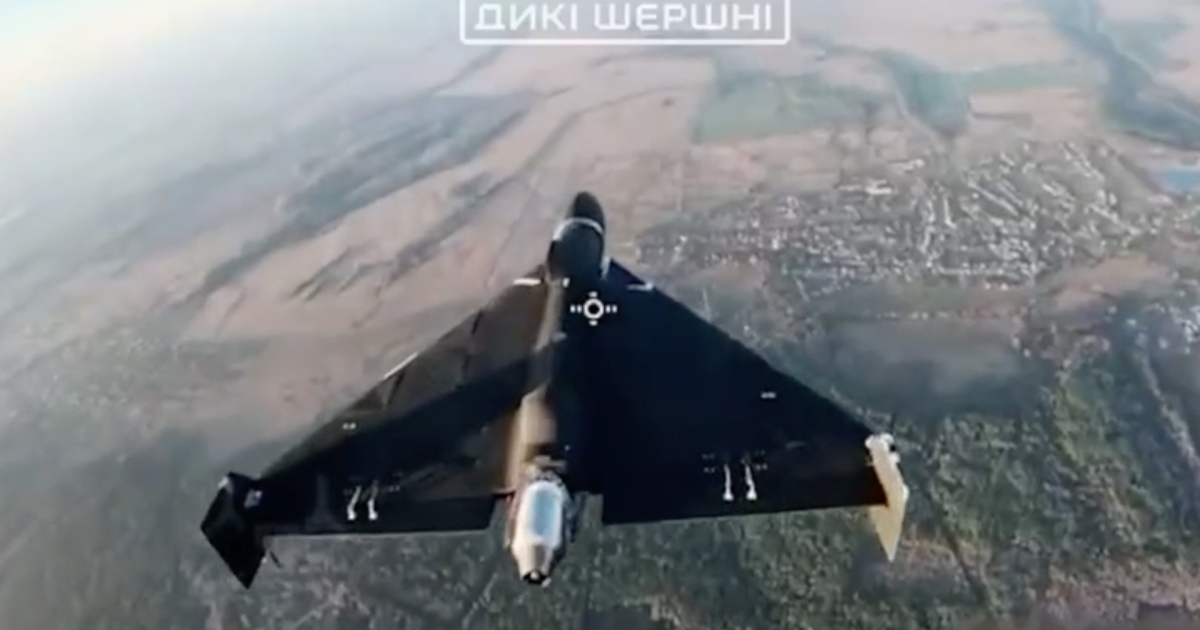
The issue is not limited to Iran. Ukrainian officials say they have found Chinese-linked components in Russian drones recovered after attacks on Kyiv and other cities. In particular, Ukraine has reported that Russia is using newer jet-powered drones that are harder to intercept because they fly much faster than propeller-driven models.
Those drones have become a growing concern for Ukraine’s air defenses. Ukrainian researchers examining wreckage have pointed to Chinese-made turbojet engines, carbon-fiber materials, guidance systems and communications equipment as key inputs in Russia’s expanding drone program.
RELATED STORY | Zelenskyy urges world leaders to cut off Russia’s money and war machine at UN General Assembly
China has repeatedly said it does not provide weapons to Russia or Iran and says it regulates exports of dual-use goods under Chinese law. But U.S. and Ukrainian officials have argued that Chinese firms are exploiting the gray area around commercial products that can be repurposed for military use.
The Trump administration has sanctioned a number of Chinese companies accused of supporting Iranian or Russian weapons programs. But publicly, the administration has offered few details about whether Trump is pressing Xi directly on the issue during this week’s visit.
The stakes are visible on two battlefields. In the Middle East, U.S. officials have blamed Iranian-backed militias for attacks on American forces, including a January strike in Jordan that killed three U.S. service members. In Ukraine, Russia’s expanding drone campaign has battered cities far from the front lines and forced Kyiv to adapt to faster, more difficult targets.
RELATED STORY | DOJ shuts down China-sponsored hacking tools that targeted federal agencies
For Washington, the problem is increasingly difficult to police. Many of the parts are small, commercially available and made by companies with limited exposure to U.S. sanctions. That makes it harder to stop the flow without more aggressive pressure on Beijing.
Whether that pressure is happening behind closed doors is unclear. But weapons analysts say the connection between Chinese-made components and casualties in Ukraine, the Middle East and among U.S. forces is now increasingly difficult to dismiss.


Why My Candidacy Is Difficult For You And Other Politicians To Understand – Sowore Replies Donald Duke

Exclusive: Nigerian Government Deals With Dangote Half-Brother Sayyu Dantata As It Seeks Forfeiture Of Three Aircraft Worth N102 Billion Over N2.31 Billion Duty Evasion
Morning recap: APC leaders weigh options as Wike-govs rift deepens, Dangote, marketers cut petrol prices, other top stories

Six Years Without Checks Will Worsen Corruption – Ex Presidential Candidate Rejects Single-Term Presidency
“Nigerians, get your PVCs” – Lady cries out after ₦50k electricity purchase drops from 958 to 222 units

“Leave Our Professors Alone, They Are Not Politicians” — Kebbi Govt Tackles ADC Over Call To Review 21 Education Appointments

As International Attention to Christian Persecution Grows, Nigeria Pushes Bill to Control Foreign‑Funded Reporting

NOTN Under Scrutiny for Governance Lapses, Unapproved Procurement, Irregular Recruitment and Withheld Records Under Ambassador Chiedu Osakwe

Paystack, Qatar Airways Face ₦5.4m Ticket Payment Dispute as Journalist Demands Answers
Chaos At Accra High Court As Lawyers Confront EOCO Official Who Attempted To Arrest Him During Salomey Awiti Baffoe Bail Hearing

Chinese dual-use electronics are helping Iran and Russia build deadlier drones, despite US sanctions

Supreme Court Upholds INEC Appeal, Says Electoral Act Provisions Constitutional
Trump administration turns to Supreme Court as third-country deportations are thrown into question
Atiku Appoints El-Rufai, Tambuwal to ADC Campaign Council
Electoral Ambition Is Not Governing Capacity – APC Sends Message To Rhodes-Vivour

Lagos Govt Reiterates Mandatory Health Insurance, Highlights Ilera Eko Benefits
Trump administration asks the Supreme Court to allow quick third-country deportations to continue

Venezuela's acting leader, at U.N. for first address, promises elections at the 'right moment'

Nigeria’s Fish Import Bill Drops 14.8% To N167.9bn In Q2 2026
In their words: From across the world, leaders call for action on climate change at the UN

 Politics22 hours ago
Six Years Without Checks Will Worsen Corruption – Ex Presidential Candidate Rejects Single-Term Presidency
- Politics22 hours ago
As International Attention to Christian Persecution Grows, Nigeria Pushes Bill to Control Foreign‑Funded Reporting
- News21 hours ago
NOTN Under Scrutiny for Governance Lapses, Unapproved Procurement, Irregular Recruitment and Withheld Records Under Ambassador Chiedu Osakwe
- Metro23 hours ago
Regulator Approves Transfer of Access Bank Kenya Assets, Liabilities to NBK
- News24 hours ago
Nigerian man bags guilty plea in $2.5m US romance, sextortion scam
- Politics23 hours ago
2027: APC Governors Plot Alliance With Atiku Against Wike
- Metro21 hours ago
Nwabali Hits Back at Critics After Super Eagles Recall
- Politics22 hours ago
As Trump Denounces UN Silence, Nigeria Suffers New Wave of Anti‑Christian Terror