Metro
Romania Begins Shutdown Of Second Nuclear Reactor Amid Severe Drought

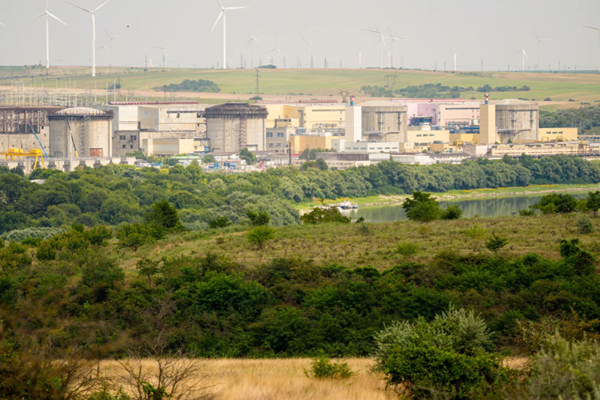
Romania on Thursday began a controlled shutdown of the second reactor at its Cernavoda nuclear power plant as severe drought and record-low water levels on the Danube continue to disrupt operations across the region. According to a report by AP, scorching temperatures and low rainfall in recent weeks have caused……
Romania on Thursday began a controlled shutdown of the second reactor at its Cernavoda nuclear power plant as severe drought and record-low water levels on the Danube continue to disrupt operations across the region.
According to a report by AP, scorching temperatures and low rainfall in recent weeks have caused the Danube River to reach record lows, forcing the state-owned Cernavoda plant to shut down its first reactor in late July. The facility generates about 20% of Romania’s electricity when fully operational and relies on river water to cool its two reactors.
“The decision to carry out a controlled shutdown of Unit 2 was determined by the continued significant decrease in the level of the Danube River,” the plant operator Nuclearelectrica said in a statement Thursday addressed to the Bucharest Stock Exchange.
Romania’s Ministry of Energy said on Wednesday that the country’s electricity supply would be “fully covered by alternative sources and imports” following the shutdown of the second reactor.
The development follows weeks of efforts by Romanian authorities to prevent the shutdown of Cernavoda’s second reactor after acting Prime Minister Ilie Bolojan declared a nationwide state of alert in the energy sector on July 31 for August.
Read Also: Romania’s President Resigns Ahead Of Re-run Election
Romania last week began sinking four barges loaded with rock near the Danube’s Bala Canal, which the military had blasted from the river using explosives. The barges were intended to form an underwater barrier and redirect water towards the river’s main channel and ultimately the Cernavoda plant.
However, the Danube’s water level continued to fall, eventually reaching levels too low to allow the Cernavoda reactor to remain operational.
“Maintaining both units in a safe shutdown state has no impact on nuclear safety parameters, including personnel, the environment and the population,” Nuclearelectrica added.
The situation in Romania comes as authorities in neighbouring Hungary prepare measures to raise the level of the Danube this week to ensure its only nuclear power plant, Paks, can continue operating.
The Paks facility is facing the possibility of shutting down for the first time in its 44-year history as low water levels threaten its cooling capacity.


Osun 2026 Election: If You See Any of Them From Now on to The Day Of The Election, Kill Them – Senator Francis Fadahunsi – Secrets Reporters Nigeria

Dollar to Naira exchange rate today, August 12, 2026: Nigerian Naira bounces back, appreciates against US currency

“Western Democracy Doesn’t Fit Africa, Winner-Takes-All Politics Fuels Division” — Obasanjo Calls For African-Rooted System

Osun Election: Adeleke Campaign Calls for Police Investigation Over Fadahunsi’s Alleged ‘Kill’ Remark

₦144m Fraud: Kano Federal Agricultural College Flagged Over Unvouched Payments, Unremitted Revenue, Cash Advances, Procurement Breaches – Secrets Reporters Nigeria

“Don’t live above your means” – Man cries out after landlord gives him three days to vacate apartment

‘He Is Parading Fake Certificates’ – LP Chieftain, Arabambi Accuses Peter Obi Of Certificate Discrepancies

BRM Accuses Diri Administration of Political Marginalisation, Demands Inclusion for Bayelsa East, Yenagoa

Special Report: N75 Trillion Borrowed By President Tinubu In Three Years, Each Nigerian Owes Foreigners N300,000 As Debt Repayment – Secrets Reporters Nigeria

NNPC Boss Bala Wunti Paid $250,000 Without Supporting Documents in Etihad Energy Contract – Secrets Reporters Nigeria

Ukraine's drones hit a major Russian refinery 800 miles from the border, sparking a fire

“Is Judy Austin a husband snatcher or not?”

Traders Report Mixed Fortunes As 2026 Osun Governorship Election Approaches

Kidnappers Reportedly Increase Ransom for Jowizaza’s Father to ₦1.5 Billion

FCT Police, Army Garrison Strengthen Security Partnership In Abuja

Putin's first trip to the Pacific island chain claimed by Japan draws a protest from Tokyo

Tinubu Government Responds to US Fiscal Transparency Report

Kano Records 875,593 Out-Of-School Children

APC Supporters Flood Osogbo Ahead of Mega Campaign Rally

OsunDecides2026: APC Poised To Reclaim Governorship Seat, Says Senator Bamidele

 Headlines17 hours ago
Dollar to Naira exchange rate today, August 12, 2026: Nigerian Naira bounces back, appreciates against US currency
- News17 hours ago
Special Report: N75 Trillion Borrowed By President Tinubu In Three Years, Each Nigerian Owes Foreigners N300,000 As Debt Repayment – Secrets Reporters Nigeria
- News14 hours ago
NNPC Boss Bala Wunti Paid $250,000 Without Supporting Documents in Etihad Energy Contract – Secrets Reporters Nigeria
- Entertainment17 hours ago
“Which money them dey make on TikTok?” – Peller continues to call out parents over social media activities
- Entertainment14 hours ago
“While he was coming from…”- Man shares encounter with FireBoy, claims he was singer’s roommate for 3 years
- Viral17 hours ago
“I was wowed”- Man shares encounter with man who received multi-million naira gift from Dangote cement
- Viral23 hours ago
“I’m your man, not your father” — Lady recalls boyfriend’s response after she asked permission to go out
- Viral24 hours ago
“I made one big mistake that led to my UK Global Talent Visa being rejected” — Nigerian lady reveals