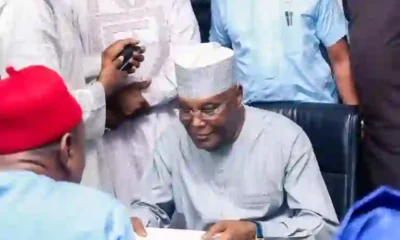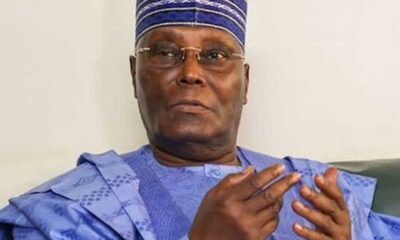
Arise Television presenter, Rufai Oseni, has questioned the educational disclosures of presidential candidates whose nomination documents do not contain details of their primary school education.
Oseni, an anchor of The Morning Show, raised the concern in a Facebook post on Sunday following the publication of candidates’ personal particulars by the Independent National Electoral Commission (INEC) ahead of the 2027 presidential election.
“People that can’t tell you their primary school want to be your president, and Nigerians will vote them,” the broadcaster wrote.
His comment came amid growing public scrutiny of the academic credentials, affidavits and other statutory documents submitted to the electoral commission by candidates seeking the presidency.
INEC had commenced the public display of the nomination papers and personal particulars submitted by presidential candidates as part of the electoral process.
The documents included candidates’ educational histories, academic certificates and other information required under the Electoral Act.
A review of the documents attributed to the All Progressives Congress presidential candidate, President Bola Tinubu, showed that he listed a Bachelor of Science degree obtained from Chicago State University as his educational qualification.
However, the spaces provided for the years of his primary and secondary school education reportedly contained “0000.”
The entries subsequently attracted reactions from members of the public and political commentators, who called for clarification.
Obi, Atiku List School Histories
The nomination papers submitted by the Nigeria Democratic Congress (NDC) candidate, Peter Obi, and the African Democratic Congress candidate, Atiku Abubakar, reportedly contained educational records dating back to their primary school years.
Oseni’s intervention appeared to draw attention to the difference in the level of information provided by the candidates.
The broadcaster argued that Nigerians should subject anyone seeking the nation’s highest political office to scrutiny, particularly regarding information contained in official documents.
INEC said the publication of the candidates’ particulars marked the beginning of the statutory period for members of the public to examine their nomination papers.
Under the Electoral Act, any person who believes that information contained in a candidate’s affidavit is false may approach a court to challenge it.