Metro
FG Ramps Up Malaria Prevention For Children As Prevalence Falls To 15%

The Federal Government has announced plans to begin the policy process for the nationwide introduction of Perennial Malaria Chemoprevention (PMC), following a decline in malaria prevalence from 42 per cent in 2010 to 15 per cent in 2025….
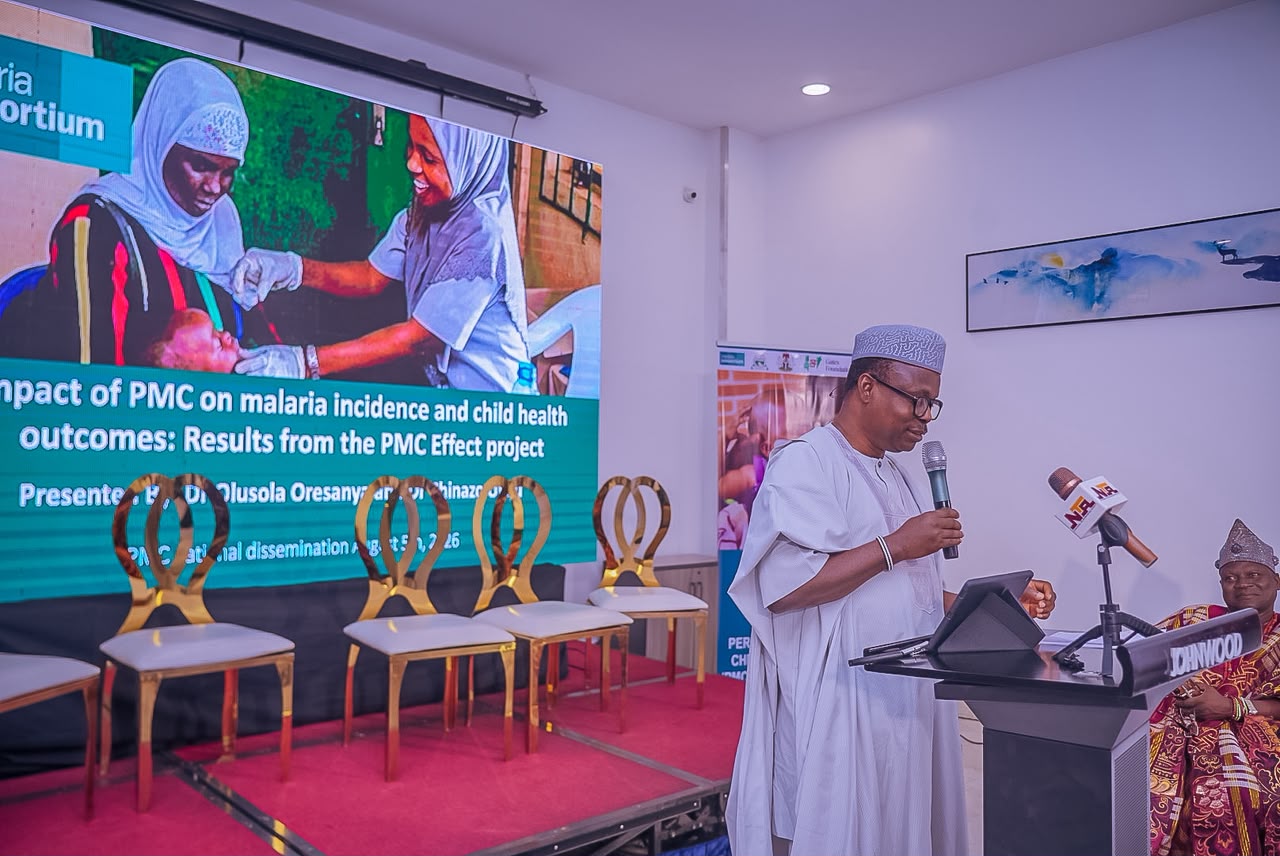
The Federal Government has announced plans to begin the policy process for the nationwide introduction of Perennial Malaria Chemoprevention (PMC), following a decline in malaria prevalence from 42 per cent in 2010 to 15 per cent in 2025.
The Minister of State for Health and Social Welfare, Dr Iziaq Adekunle Salako, made the announcement on Wednesday at the Perennial Malaria Chemoprevention Dissemination Meeting in Abuja.


He said the intervention, which targets children under two years in areas with year-round malaria transmission, would complement existing malaria control measures.
“The implementation research provides critical evidence to guide national policy on the adoption of Perennial Malaria Chemoprevention,” Salako said.
He directed the Department of Public Health and the National Malaria Elimination Programme to begin the policy process for the wider introduction of the intervention while conducting further assessments of its cost-effectiveness.
Highlighting progress in malaria control, the minister said: “Findings from the 2025 Nigeria Malaria Indicator Survey showed malaria prevalence had declined significantly from 42 per cent in 2010 to 15 per cent in 2025.”
Despite the improvement, he noted that Nigeria still accounts for 24.3 per cent of global malaria cases and 30.3 per cent of malaria-related deaths.
“Today’s deliberations provide an opportunity to advance equity in malaria prevention by extending effective chemoprevention to children in regions that do not benefit from Seasonal Malaria Chemoprevention,” he added.
Salako urged stakeholders to turn the research findings into concrete action, saying the evidence would help shape the next phase of Nigeria’s malaria elimination strategy.


Unity Bank Is Diverting Electricity Bill Payment In Its Account And Paying N100 Million To Government Official Monthly As Cover Up – ALSTDI – Secrets Reporters Nigeria

“If Anybody Is Counting Rivers, Go Now & Cancel It, The Only Person That Can Count Rivers Is BAT–Wike

Another Lie? In INEC’s Form, President Tinubu Submits Another Person Phone Number & Email As His – Secrets Reporters Nigeria

MTN The Silent Killer: How Citizen Nwatu Died Due To MTN Switched Off Network To Call For Help – Secrets Reporters Nigeria
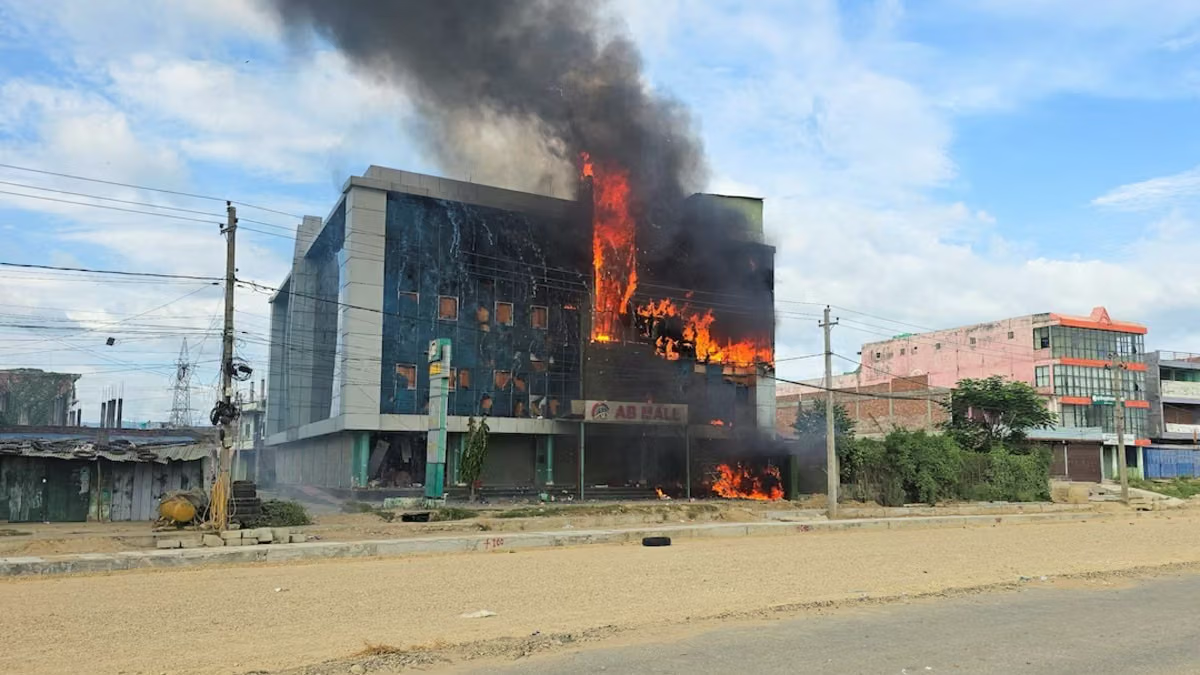
What Is Happening in Nepal Right Now: Curfew in Force After Clashes Leave 3 Dead, PM Appeals for Calm

The Treasury Does Not Belong To You – Atiku Blasts Tinubu Over Allocation Of ₦1.08 Trillion To Federal College

“I expected the worst from Nigerian women” — South African woman reveals what happened after marriage to Nigerian family

Ukraine's paradox: It can now strike further into Russia, but its heart is still dangerously vulnerable

2027: Campaign With Your Achievements, Not Excuses, Dele Momodu Tells Tinubu

“He doesn’t worth it” — Lady recounts colleague’s remark after office planned gift for security guard

“Maybe you’re the one who sprayed Peller fake dollars” – Hellen Ati fires at Cubana Chief Priest amid child support dispute

Daniel Amokachi – The Trumpet Newspaper Nigeria

Record heat wave affects people and animals in Japan and Korean Peninsula

Crane kills three in Ogun road accident
Crane kills three in Ogun road accident
Crane kills three in Ogun road accident

US Moves To Strip Three Nigerians Of Citizenship

Pay Raise for Military: Can Higher Salaries Win Nigeria’s Terror War?

DSS nabs ex-officer over terrorism-related offences, to be docked August 6

Scottish police looking into reports of missing athletes at the Commonwealth Games

 News8 hours ago
Exclusive: Ghana’s Fugitive Finance Minister Ken Ofori-Atta Buys $528,000 New York Mansion, Secretly Lives With Woman Who’s Not His Wife – Secrets Reporters Nigeria
- News7 hours ago
TETFUND Boss Sonny Echono Spends N841 Million On Solar Streetlights And Each Light Is N1 Million In Four Tertiary Institutions, Pays Consultancy For Them – Secrets Reporters Nigeria
- Entertainment7 hours ago
“Nobody could beat me in any election” — Davido says he could win Nigeria’s presidency under a free and fair system
- News9 hours ago
DHQ Expands Surrender Programme Nationwide, Warns Gunmen and Militants to Lay Down Arms or Face Military Action
- Headlines6 hours ago
Family raises alarm over ‘harassment’ of Nnamdi Kanu’s independent physicians by DSS, Medical Council
- Special Report7 hours ago
Fresh SHS Graduate Forced To Twerk And Dance After Reportedly Using Stolen Phone To Withdraw Money From Bank Account
- Viral24 hours ago
“I got nervous”- Man breaks down, reveals earnings from 30-minute TikTok livestream

 World18 hours ago
India-Flagged Cargo Ship Sinks Off Yemen Coast After Explosive Boat Attack In Red Sea, All 14 Crew Rescued