Politics
FG Advances State Police Establishment With Fresh Move

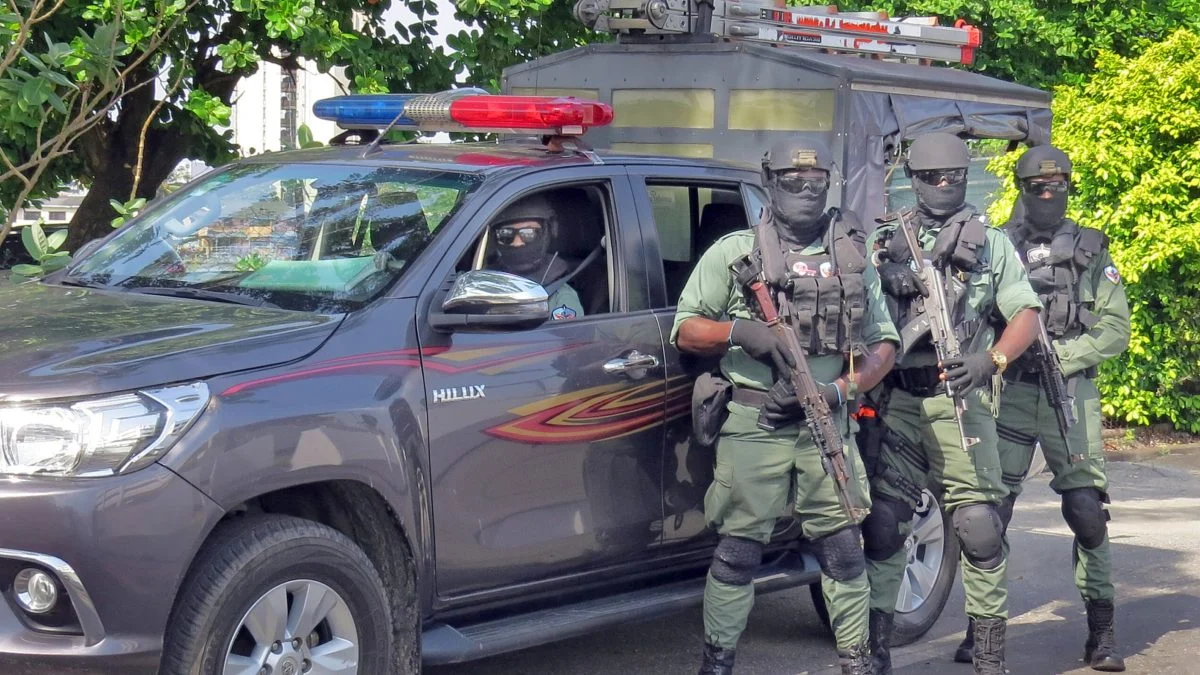
The Federal Government has commenced work on a comprehensive legal framework that will guide the implementation of state police across Nigeria.
The move comes as efforts intensify to establish a dual policing system that will allow both federal and state police structures to operate within clearly defined constitutional boundaries.
Chairman of the Presidential Working Group on the National Policing Bill and Chief of Staff to the President, Femi Gbajabiamila, disclosed the development on Monday while speaking with journalists in Abuja.
According to him, the government has mapped out a seven-week programme aimed at producing a National Policing Bill that will provide the legal and operational foundation for the proposed state police system.
Gbajabiamila explained that although the National Assembly has made significant progress on constitutional amendments relating to state police, no state police service currently exists anywhere in the country.
He stressed that the Nigeria Police Force remains the only constitutionally recognised policing institution until the amendment process is fully completed and all legal requirements are met.
The presidential aide noted that the Senate approved the constitutional proposal on June 24, 2026, while the House of Representatives passed the Executive State Police Bill on July 23, 2026.
He, however, pointed out that the amendment would only take effect after receiving the constitutionally required approval from state Houses of Assembly and the passage of relevant implementation laws.
“There is no operational state police service anywhere in Nigeria today. The Nigerian Police Force remains the constitutionally recognised police institution.
“The constitutional amendment creates the authority and broad architecture for federal and state policing, but it does not by itself provide the complete operating framework,” he said.
Gbajabiamila said the proposed National Policing Bill is expected to address critical issues surrounding administration, recruitment, funding, operational responsibilities, oversight mechanisms and coordination between federal and state police institutions.
He stated that the legislation would also establish safeguards to ensure professionalism, accountability and effective cooperation among security agencies.
According to him, the objective is to create a policing system that responds more effectively to local security challenges while maintaining national standards.
The Chief of Staff said the working group would engage stakeholders from different sectors, including legal experts, security professionals, state governments and relevant institutions, before presenting its final recommendations.
He maintained that the process must be thorough because of the importance of the reform and its long-term implications for national security.
The proposed state police structure has remained one of Nigeria’s most debated security reforms in recent years.
Recall, the Presidency announced on June that the constitutional framework for the establishment of state police was nearing completion following months of consultations involving the Federal Government, security agencies and the National Assembly.
Speaking after a high-level meeting at the Presidential Villa in Abuja, Chief of Staff to the President, Femi Gbajabiamila, revealed that discussions on the reform had been ongoing for several months on the directive of President Bola Tinubu.
He said the government was carefully working through the legal and constitutional issues associated with creating state police services across the federation.
“We started deliberations in the last three or four months on how to go about the establishment of state police as directed by Mr President,” Gbajabiamila said.
He explained at the time that the administration was committed to ensuring that any new policing arrangement would be backed by strong constitutional provisions and effective safeguards.
According to him, the government recognised the complexity of the reform and was determined to avoid rushing a process that could have far-reaching consequences for national security and governance.
Gbajabiamila noted that consultations were being held with governors, lawmakers, legal experts and security stakeholders to ensure broad consensus on the proposed framework.
He also stated that the objective was to create a policing structure capable of addressing local security concerns without undermining national unity or professional standards.


Ballon d’Or: ‘Disgrace’ – AC Milan’s former midfielder Dejan Savicevic names player that should’ve won award

Transfer: ‘They pay highest wages’ – ex-Chelsea star, Cascarino on impossibility of Vinicius Jr’s move to Arsenal

Alaba President Set To Officially Unveil New Face Of Alaba, Speaks On Economic Impact, Calls For Road Infrastructure Upgrade

Tinubu, Atiku And Obi Head 19 Presidential Nominees As INEC Publishes Particulars For Public Scrutiny, Jonathan And Olawepo-Hashim Left Out

“I thought he was hiding another woman” – Shawn Faqua’s wife recalls doubting the actor during courtship

United States weddings are boring – Peller’s American friends remark after his traditional wedding with Jarvis

'Kind of Madness': Iran Vows to Target US, Israeli Energy Assets if Attacked as Trump Weighs Fresh Strikes

iPad, iPhone 16, And A Money Bouquet — Lady Flaunts Boyfriend’s Lavish National Girlfriend’s Day Gifts

“If you say you love me, you’ll have to give me your last money” – Lady shares relationship expectations

Heartbroken ‘Ashawo’ says she fell in love with married client and stopped charging him

Onlookers Stunned After Spotting Large Marine Creature In Ocean In Nigeria

Trump accuses Iranian leaders of duplicity over peace negotiations

Oborevwori Unveils $100m Investment Fund to Boost Delta’s Economic Growth

Tinubu to receive National Policing Bill Sept. 3

Nigerian Universities: Latest Admission and JAMB Updates for Students

PDP chairmen urge Jonathan to reject Turaki-led group

Posterity will judge you well for development of FCT – First Lady commends Wike’s green transformation of Abuja

We’ll Keep Preaching In Buses – PFN Dares Federal Lawmakers Over Proposed Ban

JUST IN: Tempers Flare As DSS, Sowore’s Lawyers Clåsh In Court

WATCH: Inside the 'Donroe Doctrine' and the shifting politics of Latin America

 Headlines22 hours ago
Ballon d’Or: ‘Disgrace’ – AC Milan’s former midfielder Dejan Savicevic names player that should’ve won award
- Entertainment14 hours ago
“Wherever I go, I’ll look for a brothel and sleep with prostitutes until I contract HIV” — Man reveals
- News11 hours ago
Northern Christian Group, Atiku, Shehu Sani Rally Behind Onaiyekan, Condemn Presidency’s Criticism of Catholic Bishops

 World17 hours ago
At Least 14 Dead as Suicide Bomber Targets Police Gate Near Swat Peace Rally Gathering in Khyber Pakhtunkhwa
- News8 hours ago
Peller Laments Wave of Phone Thefts at Traditional Wedding, Announces Strict Guest List for White Wedding
- Special Report11 hours ago
Lady Left Shocked After Ex-Boyfriend Kicks Her Off Netflix and Amazon Prime Accounts Because Of What She Said (Video)
- Entertainment12 hours ago
“I want to get married but, I don’t want to marry…” — Man lists 14 qualities he refuses to accept in a wife
- Special Report11 hours ago
“I Won’t Buy This Again!” — Ghanaian Mother Shocked After Finding Strange Substance Inside Child’s Biscuit