Politics
End HIV/AIDS – The Trumpet Newspaper Nigeria

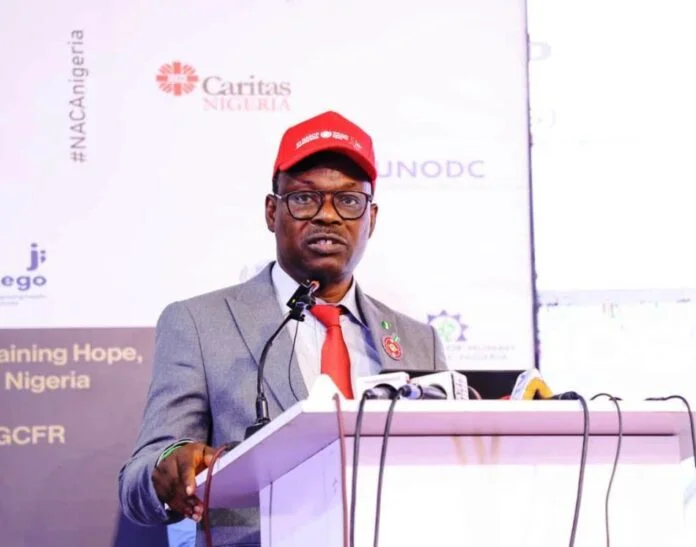
Nigeria can achieve the global target of ending HIV/AIDS as a public health threat by 2030 if governments strengthen health systems, increase domestic funding and expand people-centred HIV services, an expert from the Institute of Human Virology Nigeria (IHVN) has said.
Speaking in Abuja on Tuesday, Tolulope Adenekan, Operations Officer at the INFORM Africa Research Hub of IHVN, said Nigeria has made significant progress toward the joint United Nations programme on HIV/AIDS (UNAIDS) 95-95-95 targets.
According to her, about 87 percent of people living with HIV in Nigeria know their status, 98 percent of those diagnosed are receiving antiretroviral treatment, while 95 percent of those on treatment have achieved viral suppression.
Despite these gains, Adenekan identified several factors that continue to hinder treatment adherence, including stigma and discrimination, fear of disclosing HIV status, poverty, transportation costs, inadequate counselling, long waiting hours at health facilities, mental health challenges and displacement caused by insecurity.
She noted that adolescents and young people remain among the most vulnerable groups because they often struggle to accept their diagnosis while dealing with emotional, social and physical changes.
Read Also:
According to her, treatment fatigue, fear of peers discovering their HIV status, poor transition from paediatric to adult HIV care, school commitments, financial hardship and limited family support frequently affect adherence among young patients.
To address these challenges, she advocated the expansion of adolescent-friendly clinics and peer-support programmes such as Operation Triple Zero (OTZ), describing them as effective interventions that have improved treatment adherence among young people.
Adenekan also urged governments to strengthen primary healthcare by decentralising HIV services, improving referral systems and ensuring uninterrupted access to essential medicines.
She further recommended integrating HIV services into routine healthcare and increasing the involvement of community health workers to bring services closer to communities.
On combating HIV-related stigma, she stressed that governments, schools, families, communities and the media all have critical roles to play in addressing misconceptions and discrimination.
She called for greater investment in public health education and the enforcement of laws that protect the rights of people living with HIV.
The HIV implementation scientist also highlighted the growing importance of digital health technologies, noting that mobile reminders, telemedicine and peer-support platforms have helped improve clinic attendance and medication adherence when used alongside conventional care.
She said Nigeria’s HIV response offers valuable lessons for other African countries, citing successful initiatives such as expanded HIV testing, prevention of mother-to-child transmission programmes, differentiated service delivery, community-based treatment, mentor nothers, pharmacy-based antiretroviral dispensing and peer treatment champions.
According to her, these interventions have improved access to care while strengthening treatment adherence and enhancing programme implementation through better data collection and monitoring systems.
However, Adenekan warned that declining international donor support makes it imperative for African governments to increase domestic funding for HIV programmes.
She called for greater investment in healthcare workers, stronger supply chains, expanded viral load monitoring and youth-friendly services.
She expressed confidence that ending AIDS by 2030 remains achievable if governments accelerate proven interventions, reduce stigma, expand innovative service delivery models and prioritise populations facing barriers to healthcare.
Adenekan also cautioned against the misconception that HIV is no longer a serious public health issue because effective treatment exists, emphasising that early diagnosis, consistent treatment and viral suppression enable people living with HIV to live long, healthy and productive lives.
According to UNAIDS, an estimated 41 million people were living with HIV globally in 2025, with 32.1 million receiving antiretroviral therapy, compared to 7.6 million in 2010.
The UNAIDS 2026 Global AIDS Brief identifies stigma, discrimination, gender inequality and weak health systems among the biggest obstacles to ending the HIV epidemic.


Ballon d’Or: ‘Disgrace’ – AC Milan’s former midfielder Dejan Savicevic names player that should’ve won award

Transfer: ‘They pay highest wages’ – ex-Chelsea star, Cascarino on impossibility of Vinicius Jr’s move to Arsenal

Posterity will judge you well for development of FCT – First Lady commends Wike’s green transformation of Abuja

Northern Christian Group, Atiku, Shehu Sani Rally Behind Onaiyekan, Condemn Presidency’s Criticism of Catholic Bishops

“Wherever I go, I’ll look for a brothel and sleep with prostitutes until I contract HIV” — Man reveals

Peller Laments Wave of Phone Thefts at Traditional Wedding, Announces Strict Guest List for White Wedding

Unity Bank Is Diverting Electricity Bill Payment In Its Account And Paying N100 Million To Government Official Monthly As Cover Up – ALSTDI – Secrets Reporters Nigeria

These Animals Can Walk To Your Room For Water And Go Back — Ghana Woman Speaks About How Animals’ Lives Are Protected Abroad

iPad, iPhone 16, And A Money Bouquet — Lady Flaunts Boyfriend’s Lavish National Girlfriend’s Day Gifts

At Least 14 Dead as Suicide Bomber Targets Police Gate Near Swat Peace Rally Gathering in Khyber Pakhtunkhwa

Ikwerre Traditional Rulers Condole Amaechi

Gunmen ambush joint security patrol in Plateau, two operatives feared dead

“Why me..?” – Lady recounts unexpected marriage proposal from a physically disabled man at wedding
Gunmen ambush joint security patrol in Plateau, two operatives feared dead
Gunmen ambush joint security patrol in Plateau, two operatives feared dead
Gunmen ambush joint security patrol in Plateau, two operatives feared dead

Zamfara AGILE Reviews Plans For 42 New Secondary Schools

As US and China compete over AI, middle powers can craft a third path

Tinubu only leader with courage to fix Nigeria now – Wike
Tinubu only leader with courage to fix Nigeria now – Wike

 Headlines19 hours ago
Posterity will judge you well for development of FCT – First Lady commends Wike’s green transformation of Abuja
- News17 hours ago
Unity Bank Is Diverting Electricity Bill Payment In Its Account And Paying N100 Million To Government Official Monthly As Cover Up – ALSTDI – Secrets Reporters Nigeria
- Special Report22 hours ago
These Animals Can Walk To Your Room For Water And Go Back — Ghana Woman Speaks About How Animals’ Lives Are Protected Abroad
- Special Report20 hours ago
‘Not Every Illness Should Be Treated in Hospital’ – Ghanaian Man Claims Cancer and Kidney Disease Are Spiritual

 World11 hours ago
What Is Happening in Nepal Right Now: Curfew in Force After Clashes Leave 3 Dead, PM Appeals for Calm
- News22 hours ago
Investigation Alleges Timipre Sylva Linked to Funding of Failed 2025 Coup Plot
- News24 hours ago
Iran Executes Two Men Convicted of Spying for Israel
- World12 hours ago
Ukraine's paradox: It can now strike further into Russia, but its heart is still dangerously vulnerable