Headlines
Diphtheria Outbreak: 11 die in days as Niger records 124 cases

No fewer than 11 people have died from diphtheria in Niger State within the past few days, raising fresh concerns over the spread of the potentially deadly disease in Chanchaga and Katcha Local Government Areas.
The latest fatalities are part of the 17 deaths recorded from 124 confirmed diphtheria cases in the state between January and early August.
The Niger State Primary Health Care Development Agency, NSPHCDA, said 74 patients have so far been treated and discharged from focal areas in Bida and Agaie Local Government Areas, while surveillance has been stepped up in Suleja.
Executive Director of the agency, Dr Junaidu Inuwa, blamed part of the rising casualty rate on the failure of some parents and guardians to have their children vaccinated.
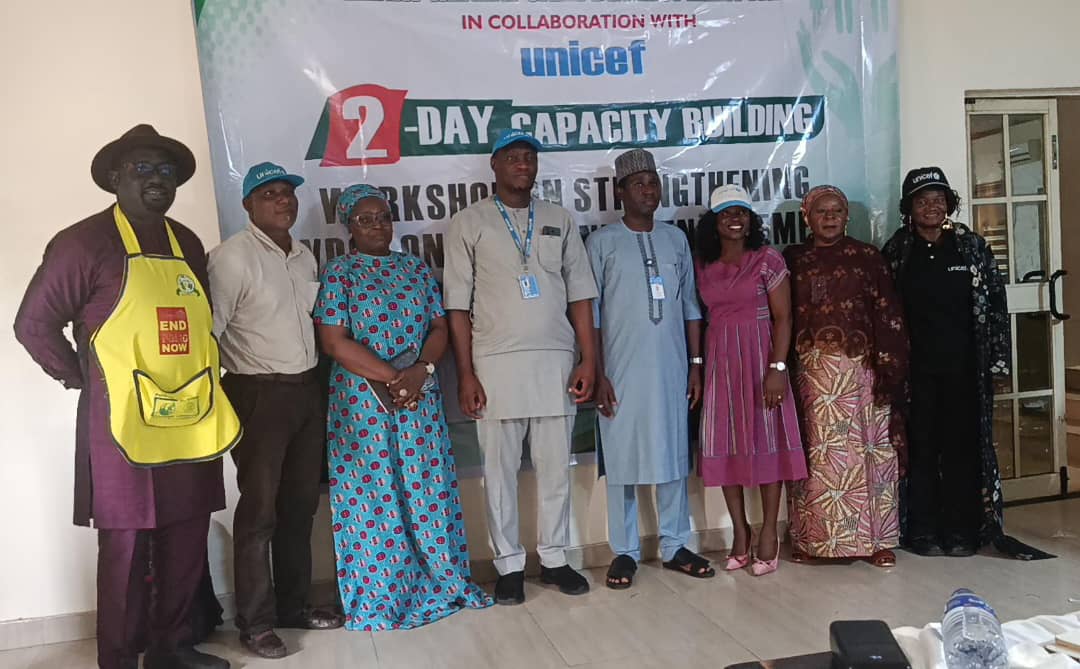
Inuwa spoke in Minna during a two-day capacity-building workshop for Ward Development Committees, WDCs, on Community Engagement and Accountability to Affected Population, organised by the NSPHCDA in collaboration with the United Nations Children’s Fund, UNICEF.
He said the current outbreak in Chanchaga and Katcha requires stronger community mobilisation, particularly as vaccination remained one of the key measures for preventing diphtheria.
“In most cases, parents are not immunising their children and the community structure needs to do a lot for us,” he noted.
Giving an insight into the latest deaths, Inuwa stated, “I am sure most of you are aware that recently we have had an outbreak of some diseases in Chanchaga and Katcha LGAs. There are 10 cases, and all of them died. We even lost another patient on Tuesday at the General Hospital, Minna.”
He urged WDC members to take the campaign against vaccine hesitancy to the grassroots, particularly among women and mothers, and ensure that children are taken for routine immunisation.
The agency’s boss also charged the committees to prioritise early childhood education and strengthen community participation in disease prevention.
Also speaking, UNICEF Social and Behavioural Change Specialist, Kaduna Field Office, Ibrahim Mohammed, said the training was designed to strengthen the capacity of WDCs to support communities in health, water, sanitation and hygiene, nutrition, child protection and education.
According to him, “We are looking at an integrative approach to healthcare services across the community.”


“Every Item Has Been Recovered” — Viral CCTV Helps Trace Lagos Photographer’s Stolen Equipment As Wedding Files Remain At Risk

That’s How A Statesman Should Behave – Keyamo Praises Atiku For Not Disobeying Court Order Sacking Him As ADC Presidential Candidate

Explain What Your Administration Has Done With ₦15.8 Trillion Saved From Fuel Subsidy Removal – Peter Obi Dares Tinubu

Oyedepo, Adeboye own private jets, universities because Obasanjo allocated oil wells to them – Madugba

“We Will Resist Every Attempt To Turn Nigeria Into A One-Party State” — Atiku Rejects ADC Judgment, Vows To Stay In Presidential Race

“Personal Attacks On Judges Are Not A Substitute For Legal Argument” — C4G Tells Okonkwo, Odinkalu Over ADC Judgment

JUST IN: Nigeria beat Japan to become first African nation to win U-17 Women’s World Cup – The Witness Nigeria

“No More Annual Leave As 2027 Elections Approach” — INEC Orders Staff To Remain On Duty, Announces New Salary Structure, Allowances

“Ibom Deep Seaport Is Approved” — Tinubu Grants Eno’s Request, Attacks Atiku, Obi, Promises Better Future As He Stumbles During Akwa Ibom Visit

“My First Mistake Was Listening To Buhari” — Amaechi Blames 2022 APC Primary Defeat On Former President’s Unfulfilled Promise

LAKURAWA TERRORISTS REPORTEDLY SIGHTED INSIDE BAHINDI TOWN, SECURITY ASSISTANCE URGENTLY NEEDED

Ajadi mourns Oba Sonuga of Simawa, pays tribute to late monarch’s legacy

Nigerians want to know how you’ll address problems, not assurances – Atiku’s aide to Tinubu
Nigerians want to know how you’ll address problems, not assurances – Atiku’s aide to Tinubu

2027: ‘Behave yourself’ – Seyi Tinubu blasts Isaac Fayose for criticising City Boys’ walk in PH

Kefas signs executive order banning Naira spraying at public events in Taraba

Tinubu govt has turned survival to hell for hardworking Nigerians – Pat Utomi

Kano police nab wanted thug, ‘Sankolo’, over kidnapping, phone snatching

Popular Lagos church sealed over noise complaint

Flamingos’ feat: NAWOJ demands sustained investment in girls’ sports

 Viral7 days ago
FLUTTERWAVE’S CYPRUS EXIT: BANK OF CYPRUS OBJECTION TRIGGERS TOTAL WRITE-OFF OF 100% SUBSIDIARY, AUDITED ACCOUNTS REVEAL
- Metro5 days ago
“Nigeria Cannot Afford To Fail In 2027” — UNOWAS Urges Peaceful Elections As NHRC Warns Against Electoral Offences
- Politics7 days ago
Imo People Gathered At A Street Named After Ganduje, Insisting That It Must Be Renamed – Uzodinma’s Aide
- Special Report5 days ago
Cocaine: KC Luxury asks judge to withdraw from his trial over missing affidavit – The Witness Nigeria
- Headlines7 days ago
Trump made right decision to designate Nigeria Country of Particular Concern – US congressman Riley Moore
- Metro6 days ago
“APC’s 2027 Strength Goes Beyond Electoral Victories” — Yilwatda Cites 13m Members, 31 Governors, 88 Senators
- Special Report3 days ago
Namibia President hails Dangote’s $2.5bn investment as historic milestone for African industrialisation – The Witness Nigeria
- Headlines5 days ago
Kayode Akinmade: Abiodun’s road revolution – From forgotten communities to connected economic corridors