Politics
NMA Urges Akwa Ibom To Establish 7 Medical Schools To Tackle

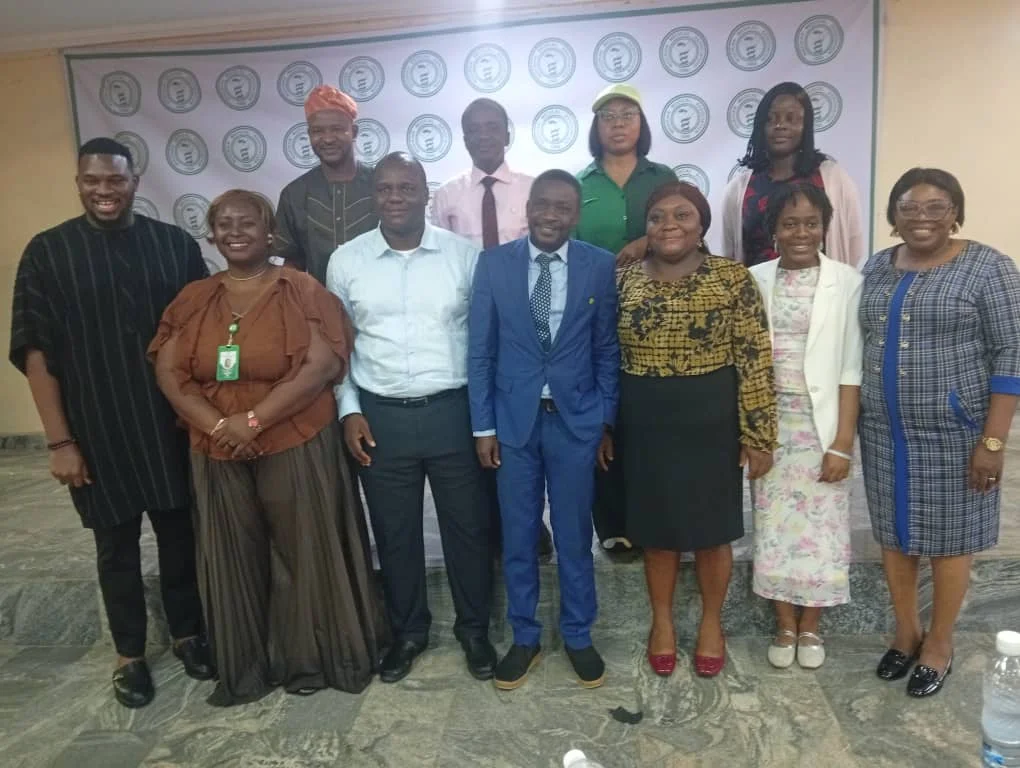
The Nigeria Medical Association (NMA), Akwa Ibom State chapter, has called on the Akwa Ibom State government to establish at least seven medical training institutions to address the growing shortage of healthcare professionals and strengthen healthcare delivery across the state.
Speaking during a press briefing in Uyo as part of activities marking the association’s annual general meeting and scientific conference, the outgoing state Chairman of the NMA, Prof. Aniekan Peter, described inadequate medical manpower as the greatest challenge facing the state’s health sector.
Although he commended Governor Umo Eno for recruiting 2,000 health workers and investing in healthcare infrastructure, Prof. Peter stressed that more strategic interventions are needed to ensure the sector can meet the healthcare needs of the state’s growing population.
He urged the government to expand medical education by establishing additional medical schools and upgrading some existing tertiary institutions into medical colleges.
According to him, increasing the number of training institutions would boost the production of doctors, nurses, physiotherapists and other healthcare professionals while creating employment opportunities for young people interested in medical careers.
Prof. Peter noted that the state has consistently struggled to fill approved vacancies for medical personnel, highlighting the severity of the workforce shortage.
“If there are vacancies for 100,000 teachers in the state, they can easily be filled. But recently Governor Umo Eno approved the employment of 400 doctors, and we could not get enough qualified applicants. That means something is fundamentally wrong,” he said.
Read also:
He also revealed that the state initially struggled to recruit 700 nurses, adding that the target was only achieved after some of the recruitment requirements were relaxed.
While applauding Governor Eno for approving the establishment of a medical school at Akwa Ibom State University, Prof. Peter argued that a single institution would not be enough to meet the state’s healthcare manpower needs, pointing to Delta State, which has four medical training institutions, as an example of the level of investment required to build a sustainable healthcare workforce.
“We appreciate the governor for approving the medical school at Akwa Ibom State University, but one medical school is not enough. Medicine is no longer just a course; it is empowerment.
“If Akwa Ibom wants to become a leading state in healthcare, it must establish at least seven medical schools so that qualified students can study medicine, nursing, physiotherapy and other health-related courses,” he said.
Prof. Peter further suggested that facilities such as the general hospitals in Ikot Ekpene and Eket, as well as the Ibom Specialist Hospital, could be upgraded into medical training institutions.
He maintained that expanding the state’s medical education infrastructure is the most sustainable solution to addressing the shortage of healthcare professionals and improving healthcare delivery in the long term.


“Military Intelligence Officer Col. Abdussalam Ude Killed While Resisting Abduction At Abuja Home” — Wife, Driver, Guard Injured

Dollar to Naira Exchange Rate Today, July 29, 2026: Nigerian Naira records third consecutive depreciation

“That Man Slapped Me Twice and Called Me Bad Names And Gave Me Naira 45M,” Sad as Abuja Woman Reveals How a Top Politician Allegedly Lured Her to a Lodging With an iPhone and Left Her Pregnant

Is Tinubu Going For Boxing Or 100 Metres? – APC Chairman, Yilwatda Slams Peter Obi Over ‘Tired’ Remark

Taraba Lawmaker Calls On State Government To Accord Priority, Funding To Hepatitis Treatment As HIV/AIDS

“I opened an account”- Nigerian lady who relocated to Canada displays account balance, amount sparks buzz

EXCLUSIVE: Police Indict Unity Bank Cooperative Officials in ₦85 Million Fraud Investigation – Secrets Reporters Nigeria

NACAT Unveils ‘Breaking the Chains’ Initiative, Premieres Innocence for Sale Documentary to Strengthen Fight Against Human Trafficking – Secrets Reporters Nigeria

Odogwu Asaba: “She is hungry”- Late Favour’s twin explains why she brought bread, sardine to her grave

“FG Unveils Seven Locally Developed Herbal Products” — NNMDA Targets Cancer, Hepatitis B, Hypertension

CENTCOM rejects IRGC claims of destroyed jets in Jordan strikes

“Otti Is Afraid Of Me” – Doris Ogala Dares Abia Governor Over ₦150m Campaign Fee

Minister Backs National Farm Cities Project To Empower Persons

‘We’re mobilizing all resources’ – Sanchez reacts as migrants from Morocco flood Spanish city

Adeleke, Oyebamiji, Others Sign Peace Accord Ahead of Osun Election

EBSIEC Assures Political Parties Of Free, Fair, Credible LG Polls

Tinubu Opens Up on Oriire Schoolchildren Rescue, Explains Why No Ransom Was Paid

Court jails five over money laundering, illegal forex trading

Alausa Adopts Kaduna Model For Out-of-School Children Census

NMA Urges Akwa Ibom To Establish 7 Medical Schools To Tackle

 Headlines23 hours ago
Dollar to Naira Exchange Rate Today, July 29, 2026: Nigerian Naira records third consecutive depreciation
- Special Report24 hours ago
He Made His Best Friend Nico Williams Chop Me And Later Blocked Me — Lamine Yamal’s Ex-Girlfriend Nicole Explains Reason Behind Her Breakup With The Barcelona Star
- Special Report24 hours ago
Ghana’s Skyline Set For Major Transformation As 30-Storey Villagio Vista Echo Tower Emerges As Potential Tallest Building
- Entertainment12 hours ago
Are lawyers buried face down because they tell many lies? — Lawyer Stella clarifies long-standing myth
- News12 hours ago
Governor Dauda Lawal Seeks Transformative Solar Power Deals for Zamfara With High-Level Investment Roundtable with GCL Group
- Entertainment13 hours ago
“Peller why?” — Lawyer Stella explains why Peller’s court marriage won’t automatically cost him his property
- News9 hours ago
Unity Bank Cooperative In Over ₦700 Million Financial Irregularities As Attorney General Fagbemi Gets Call To Investigate – Secrets Reporters Nigeria
- Entertainment12 hours ago
“I begged them to stop, but they kept watching my wife’s nakedness” – Man accuses Nigerian police of alleged misconduct